Wonders of Nancheng County, Tibet
A remote region of Tibet known as the 'land of meditators'
Nangchen County (南城县) is one of the five original kingdoms of Kham, and perhaps the last truly wild and nomadic region on the Tibetan Plateau. A rarely visited place, it has maintained its Kagyu heritage amid rolling grasslands and dramatic limestone cliffs, despite outside influences. Nangchen earned the name ‘Gomde’, or ‘Land of the Meditators’, due to its high number of practising monks and nuns—a tradition that continues to this day.
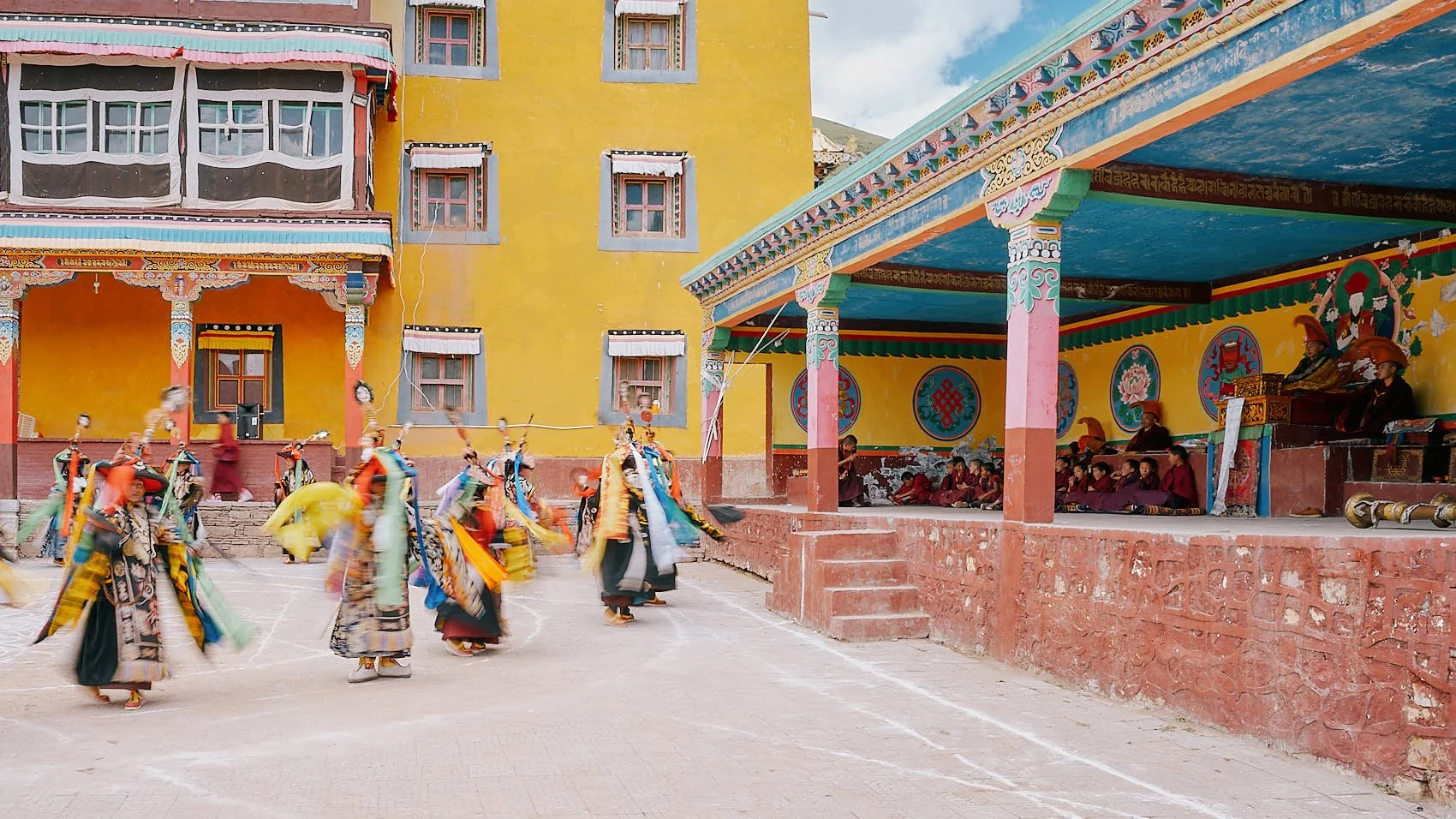
Royal Tsechu Monastery
Tsechu Monastery is the historic spiritual capital of the ancient Kingdom of Nangchen in Eastern Tibet. Set within the high alpine Kham region, it has long been a stronghold of the Drukpa Kagyu lineage, which operates independently of the Dalai Lama. The monastery remains an active centre of Tibetan Buddhism, home to a living monastic community and significant relics that have endured a turbulent history.
Its spiritual lineage continues through the 9th Adeu Rinpoche, the recognised reincarnation of the 8th. He is the boy pictured on the throne to the right in the picture above.
He now resides at the monastery, undertaking a rigorous education in Buddhist philosophy, ritual, and meditation in preparation for his future role as a lineage holder.
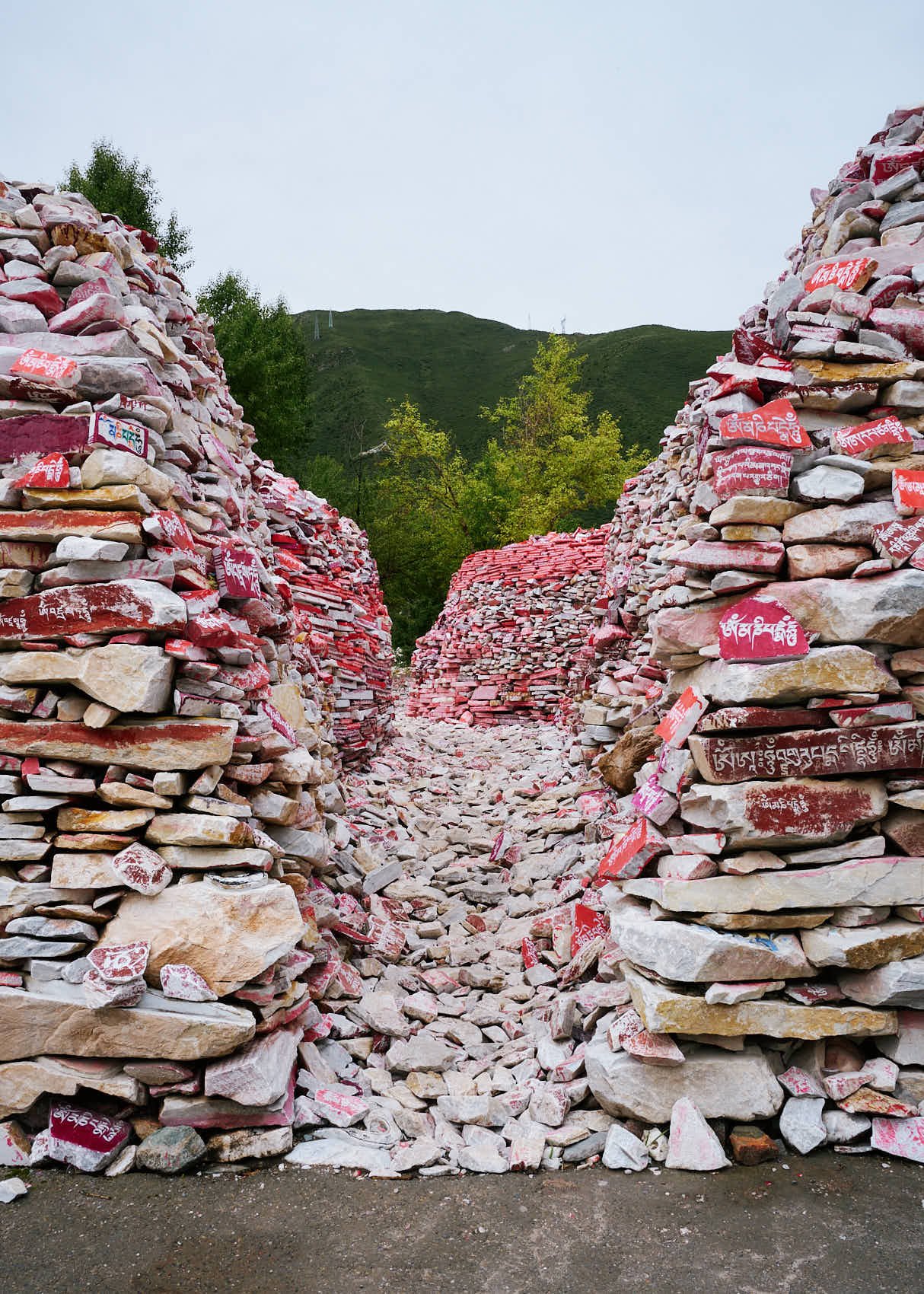
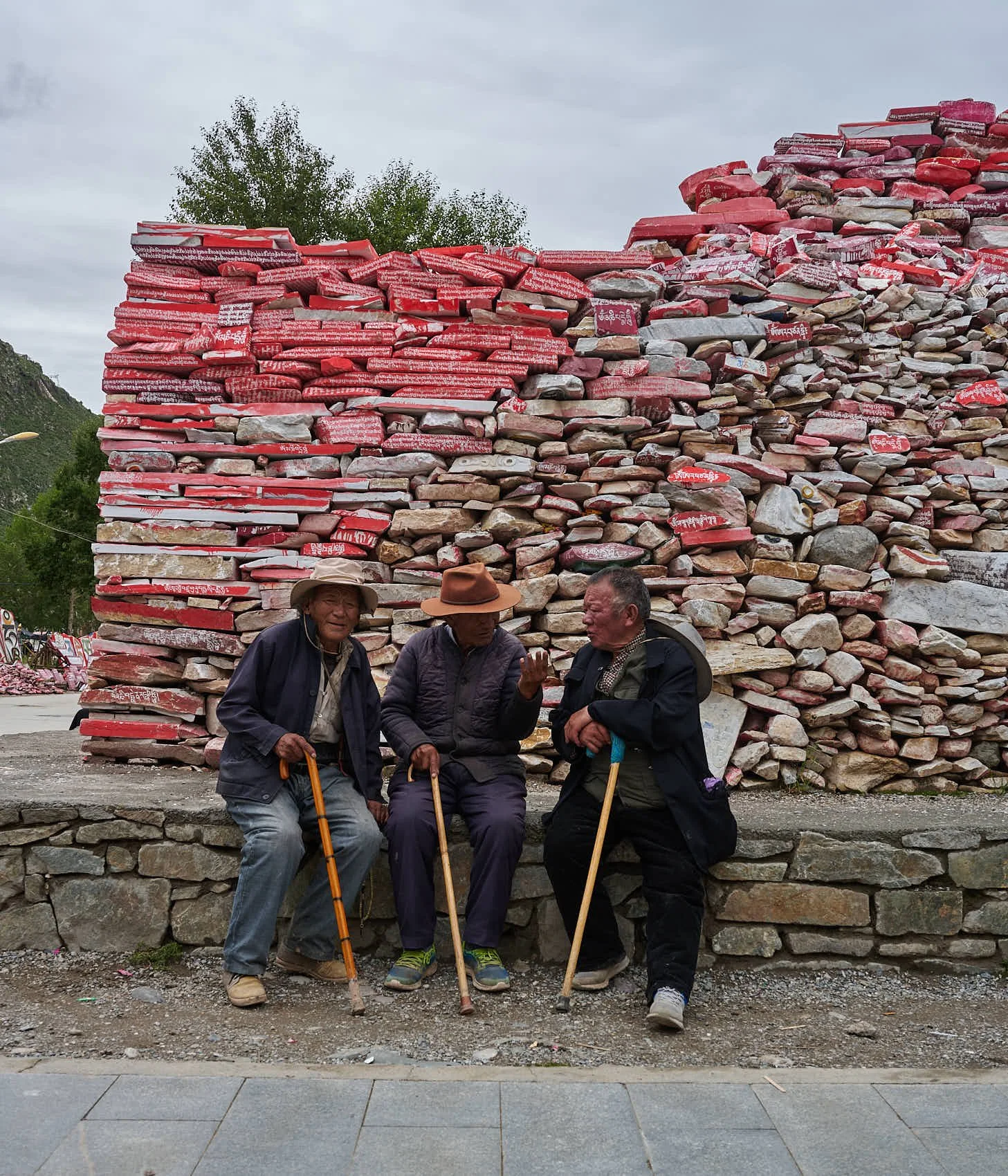
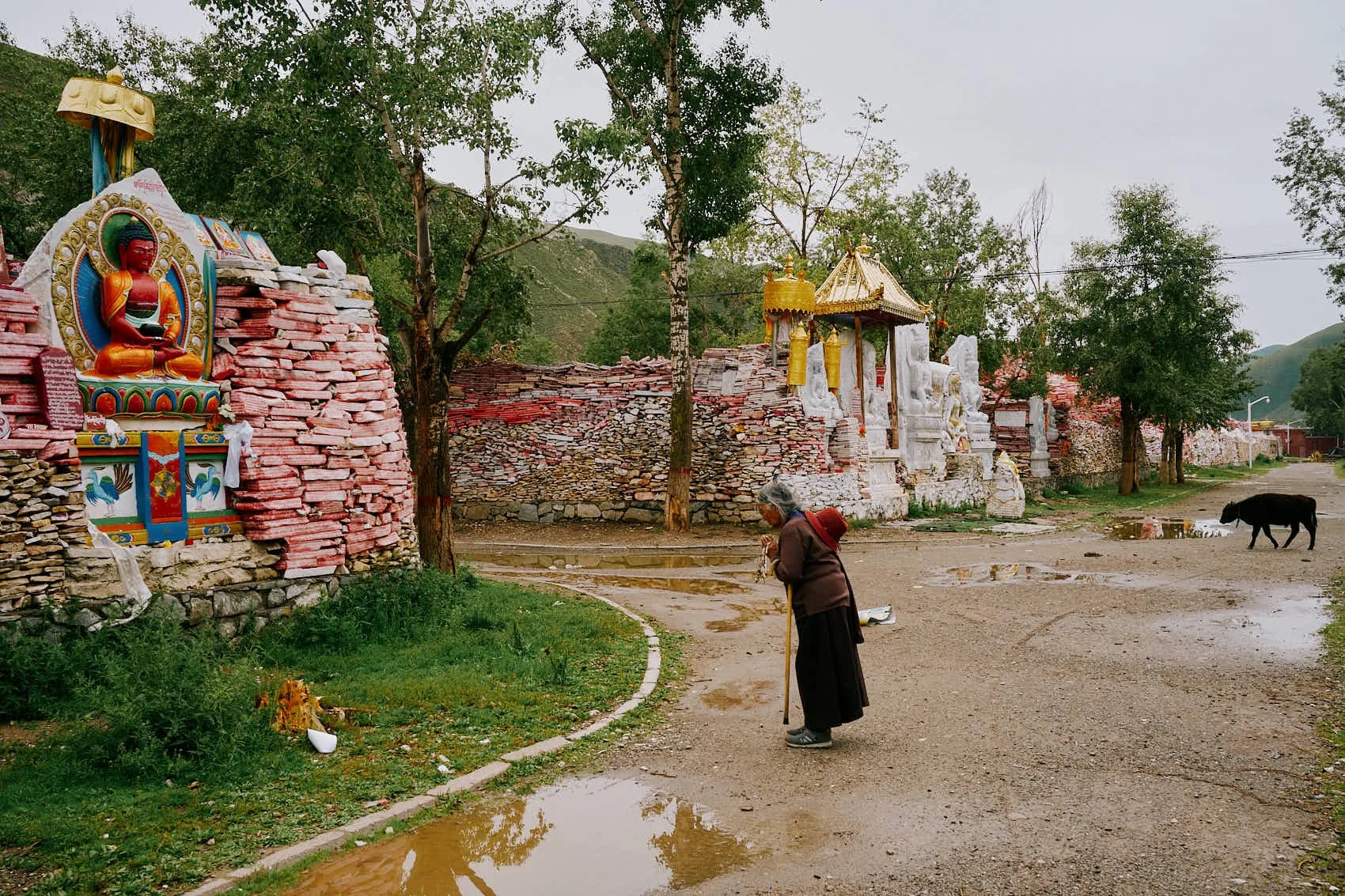
Xinzhai Jiana Mani Stone Scripture City
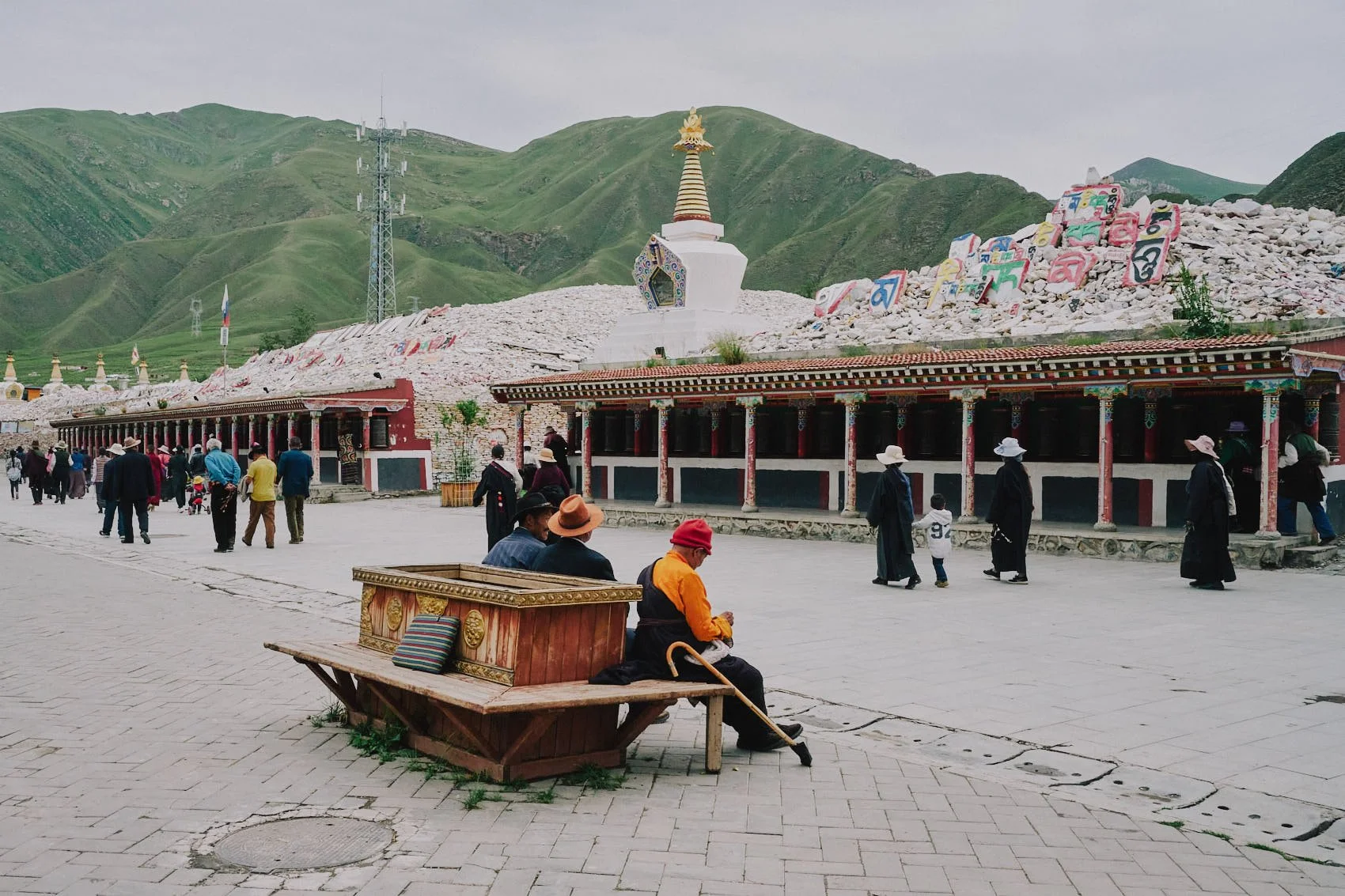
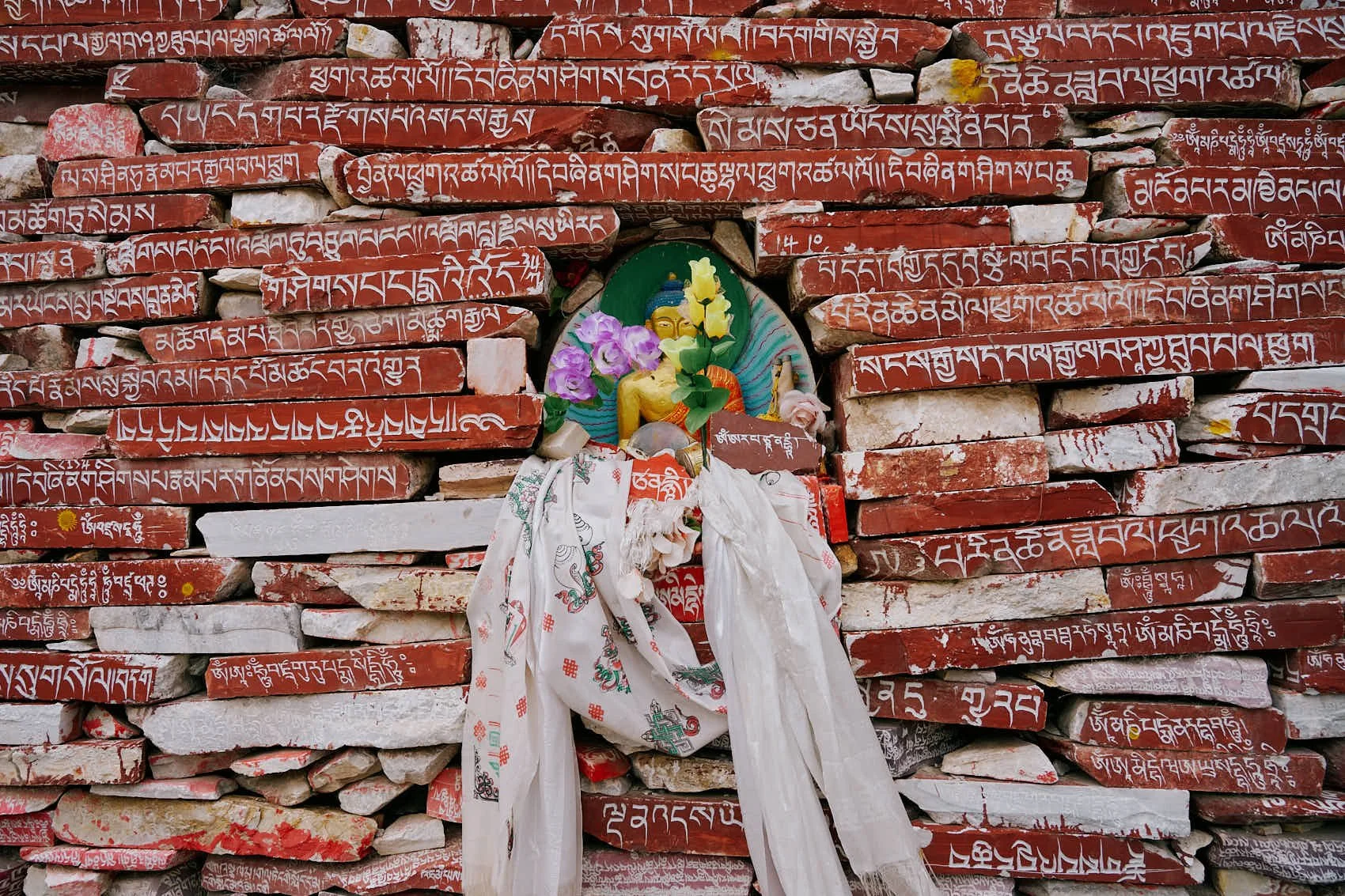
The world’s largest Tibetan Buddhist scripture stone complex, housing over 2.5 billion intricately carved mani stones—prayer stones inscribed with Buddhist mantras.
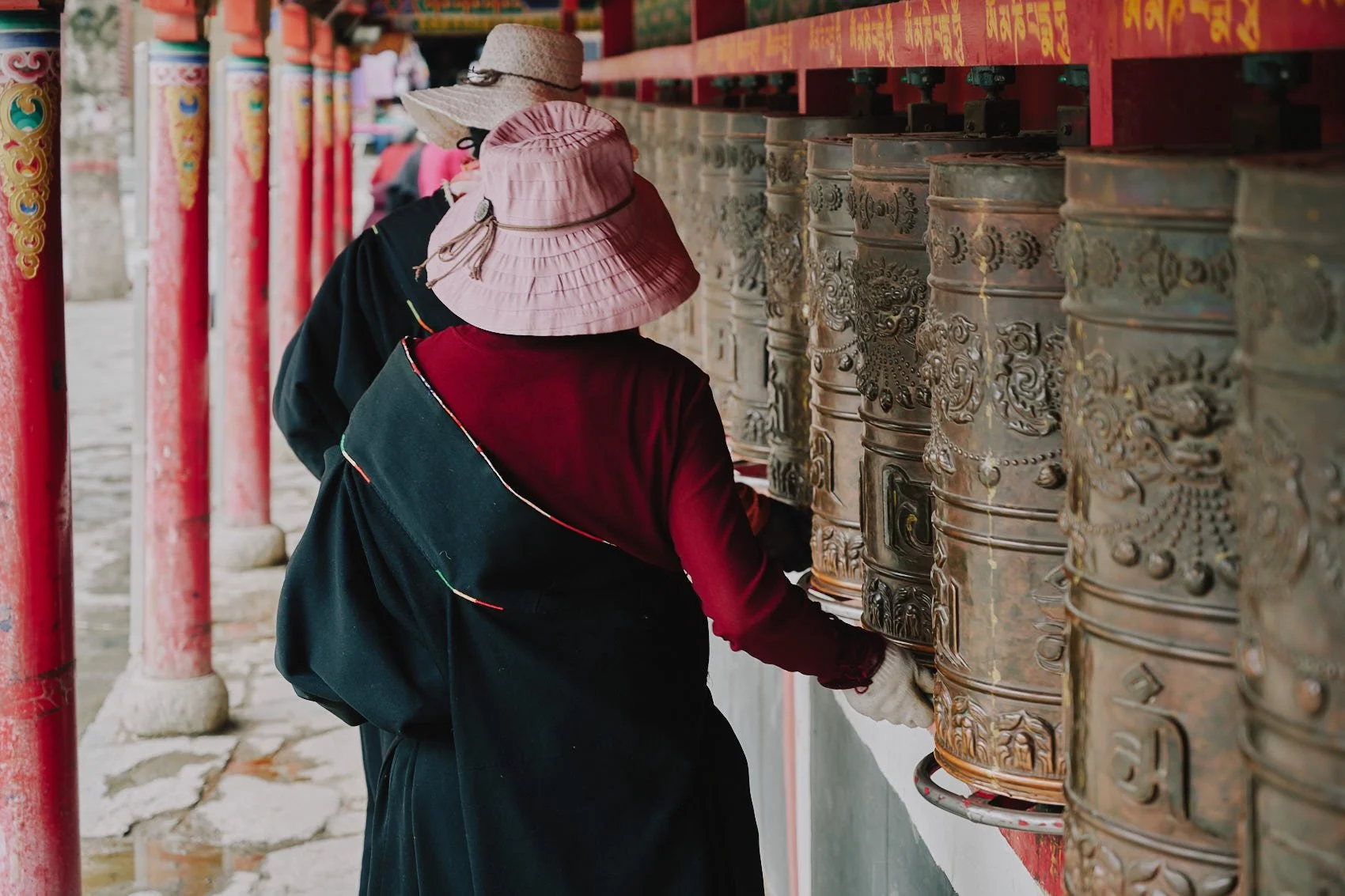
Recognised as a Guinness World Record holder, this sacred site is regarded as both the largest and holiest mani stone area in Tibet. Thousands of Tibetan pilgrims come here to walk a kora more than 3 km in length and spin over 300 prayer wheels to pray for blessings.
Construction began in 1715 under the guidance of Jiama Rinpoche, after, legend has it, a natural mani stone bearing the six-syllable mantra “fell from the sky”. He envisioned a “City of Prayers” to promote peace and enlightenment. Over three centuries, generations of monks and local artisans have expanded the site to cover 2.4 kilometres, adding millions of stones annually.
Surmang Namgyaltse Monastery
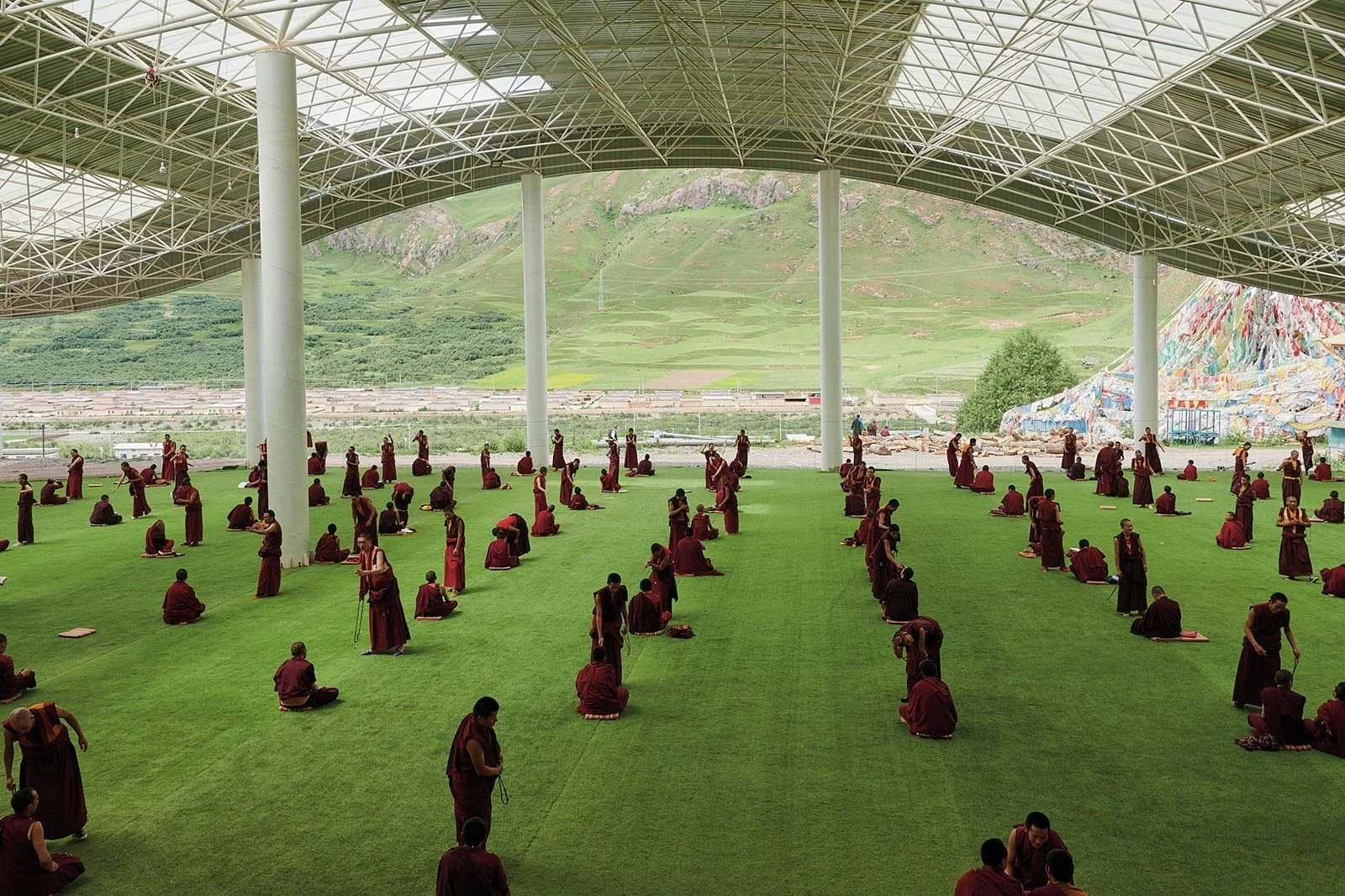
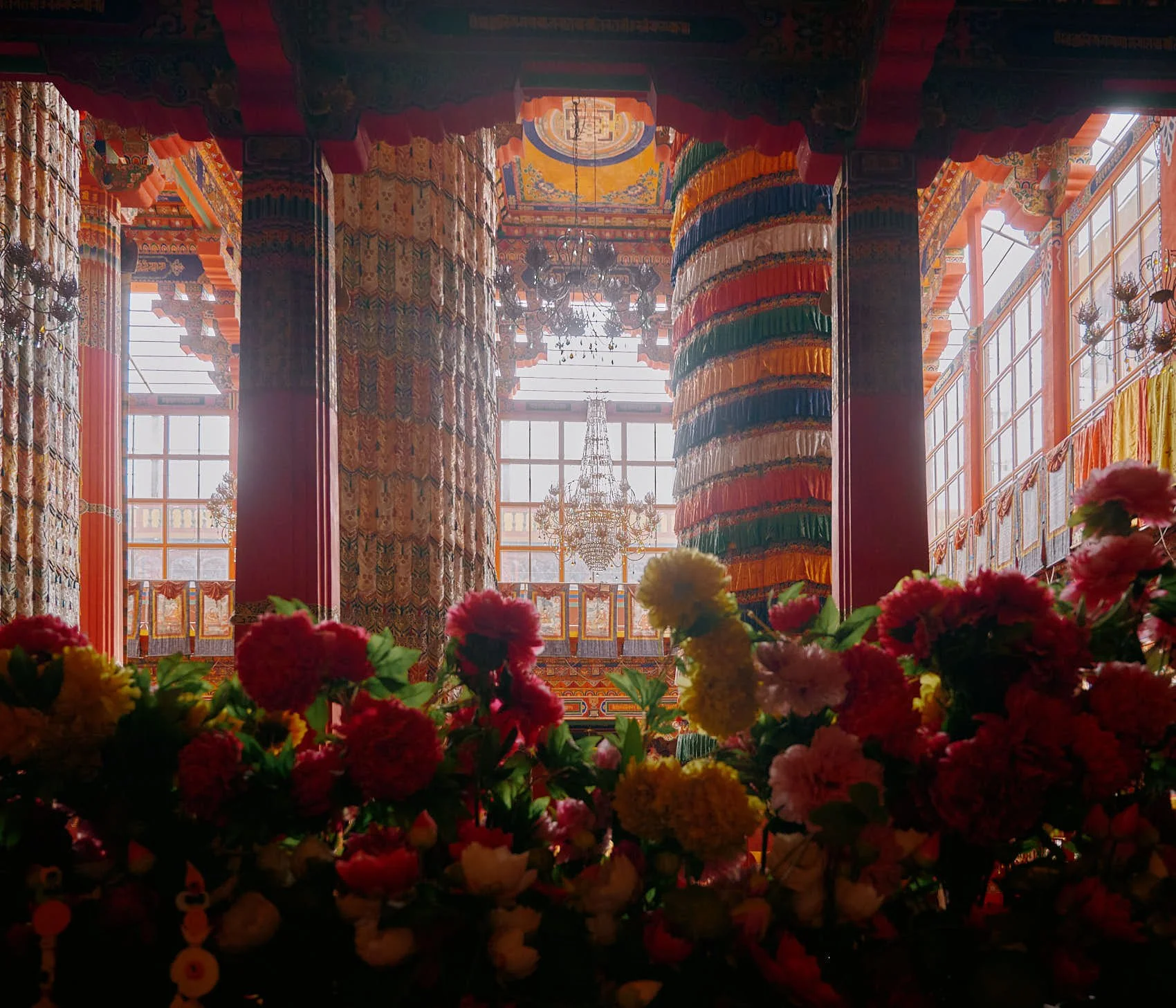
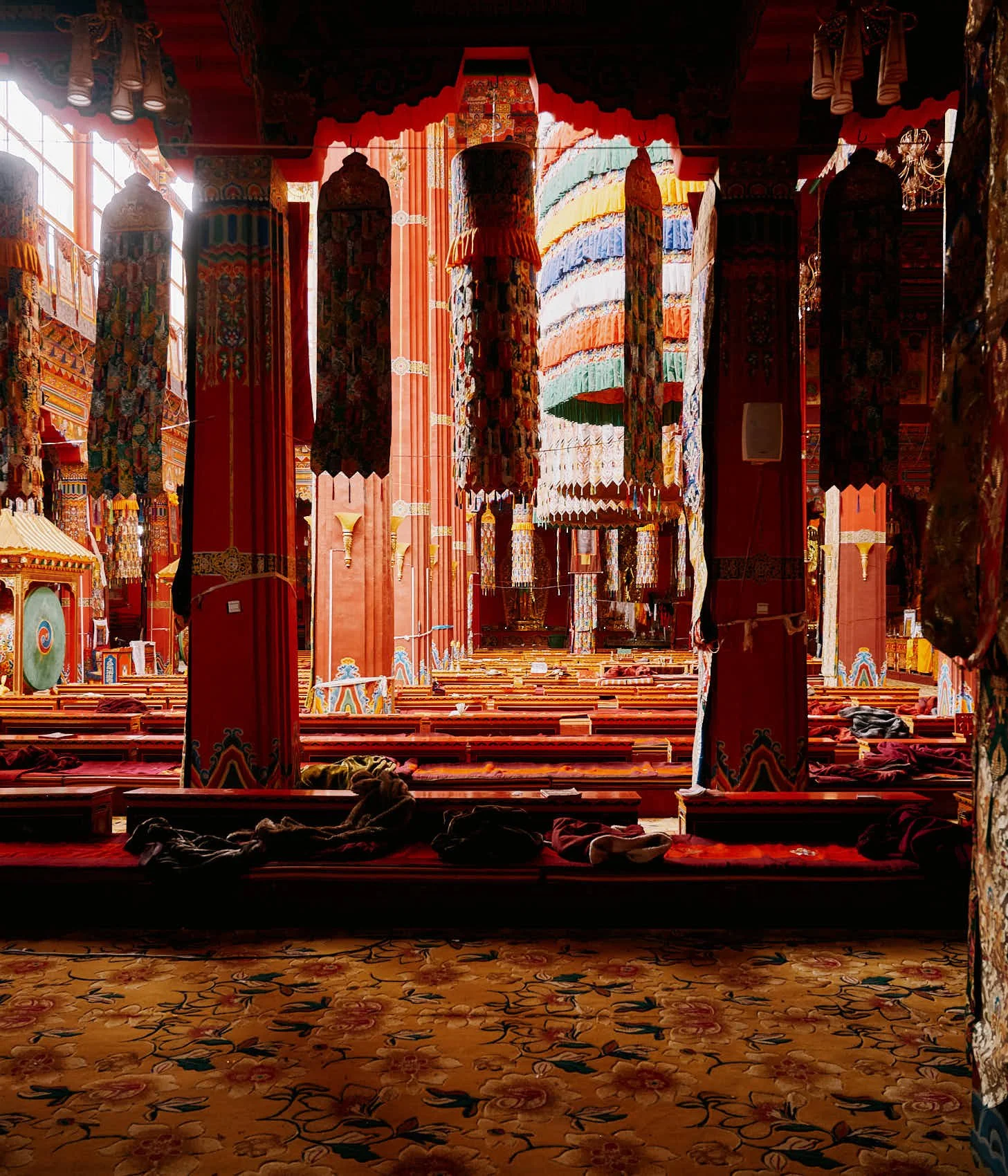
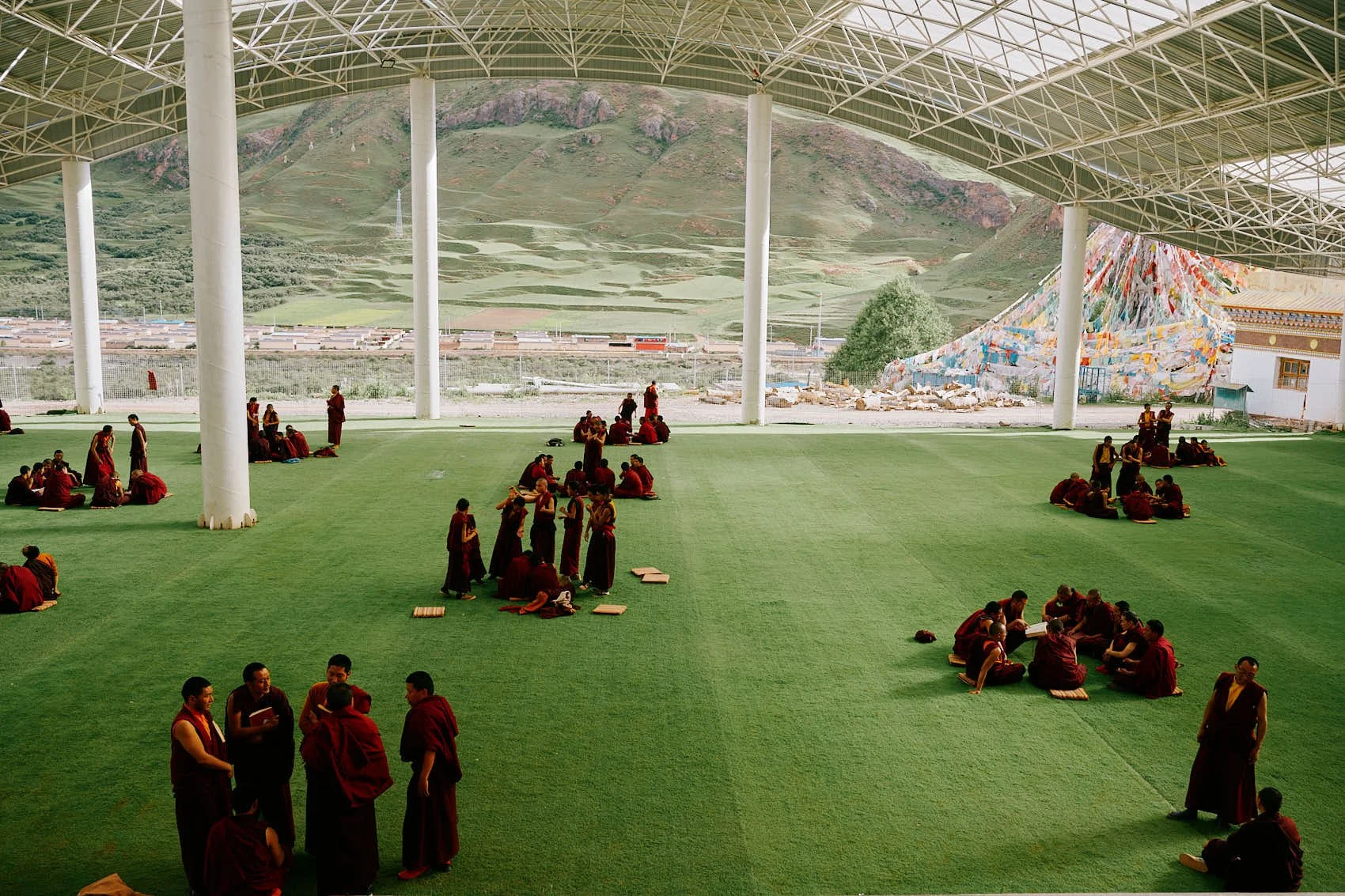
Surmang is one of the most remote monasteries in Kham and is home to nine temples and over 500 monks. Founded around 600 years ago, it is the seat of the Trungpa Tülkus, a prominent lineage of incarnate Tibetan Buddhist lamas.
The monastery includes a monastic debating courtyard where monks test each other’s knowledge of Buddhist philosophy. Watching debates here is mesmerising, as monks engage with animated intensity to sharpen analytical thinking, challenge mistaken views, and deepen spiritual understanding.
Golden Buddha Statue, Nangchen
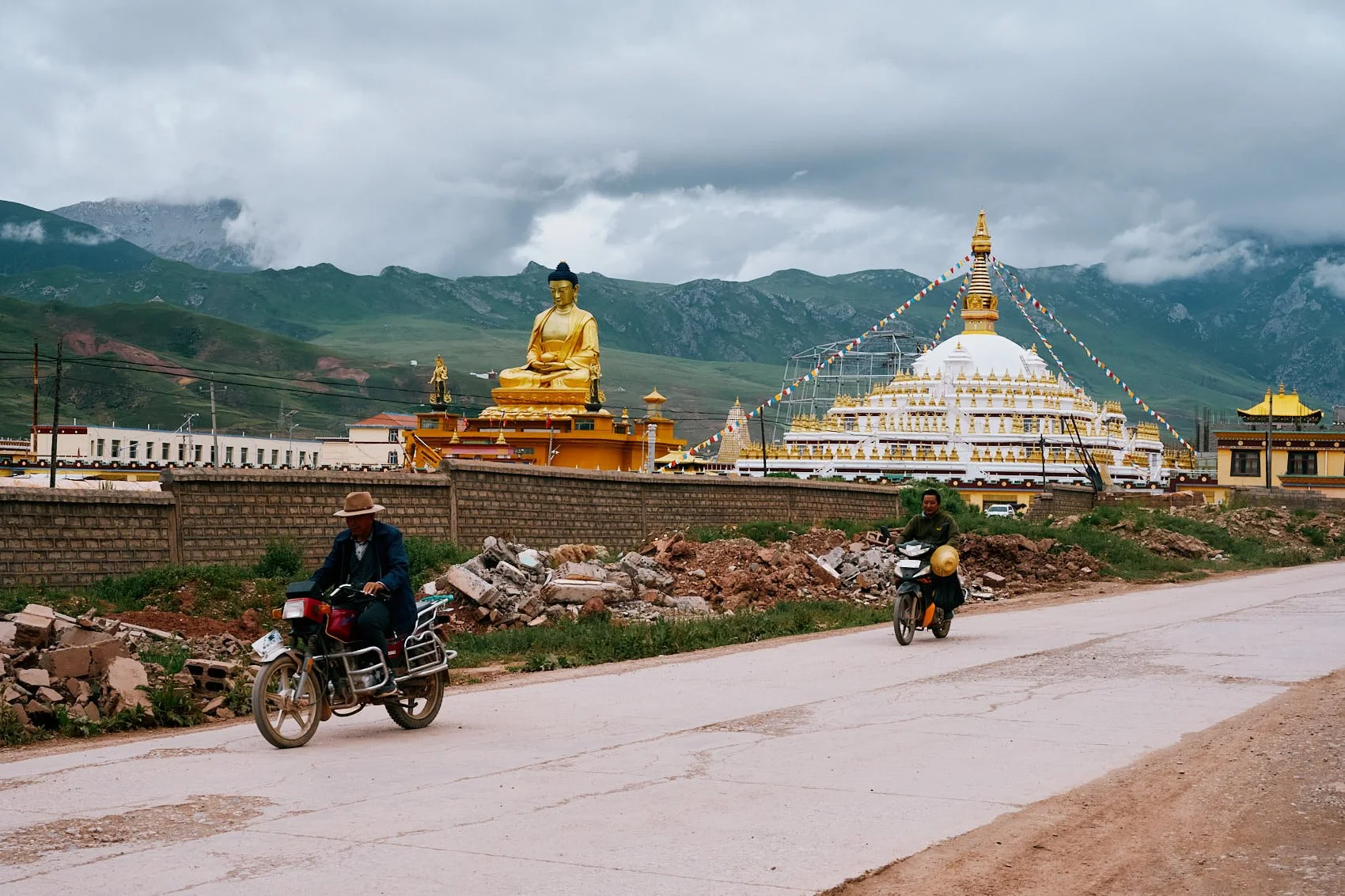
A 35-foot-high golden Buddha towers over Nangchen town. The statue, a gift from the spiritual leader Gyalwang Drukpa, stands beside a 2,000-year-old Buddhist stupa believed to have been built by the Indian Emperor Ashoka, who is said to have constructed 84,000 stupas. Nangchen, at an altitude of around 3,660 metres above sea level, was once an important centre for trade and cultural exchange. Two millennia later, locals hope the statue will help revive some of Nangchen’s former prominence.
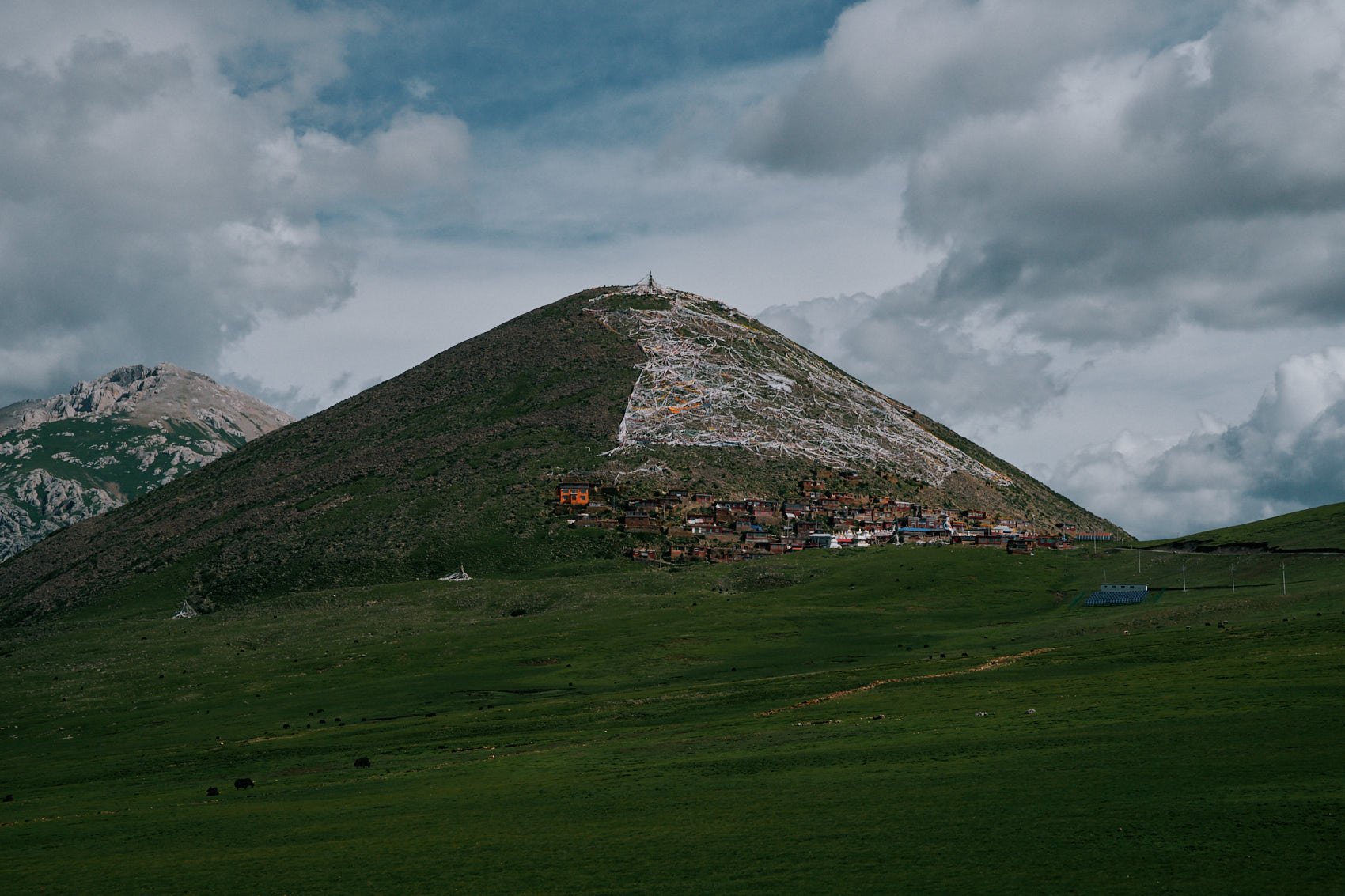
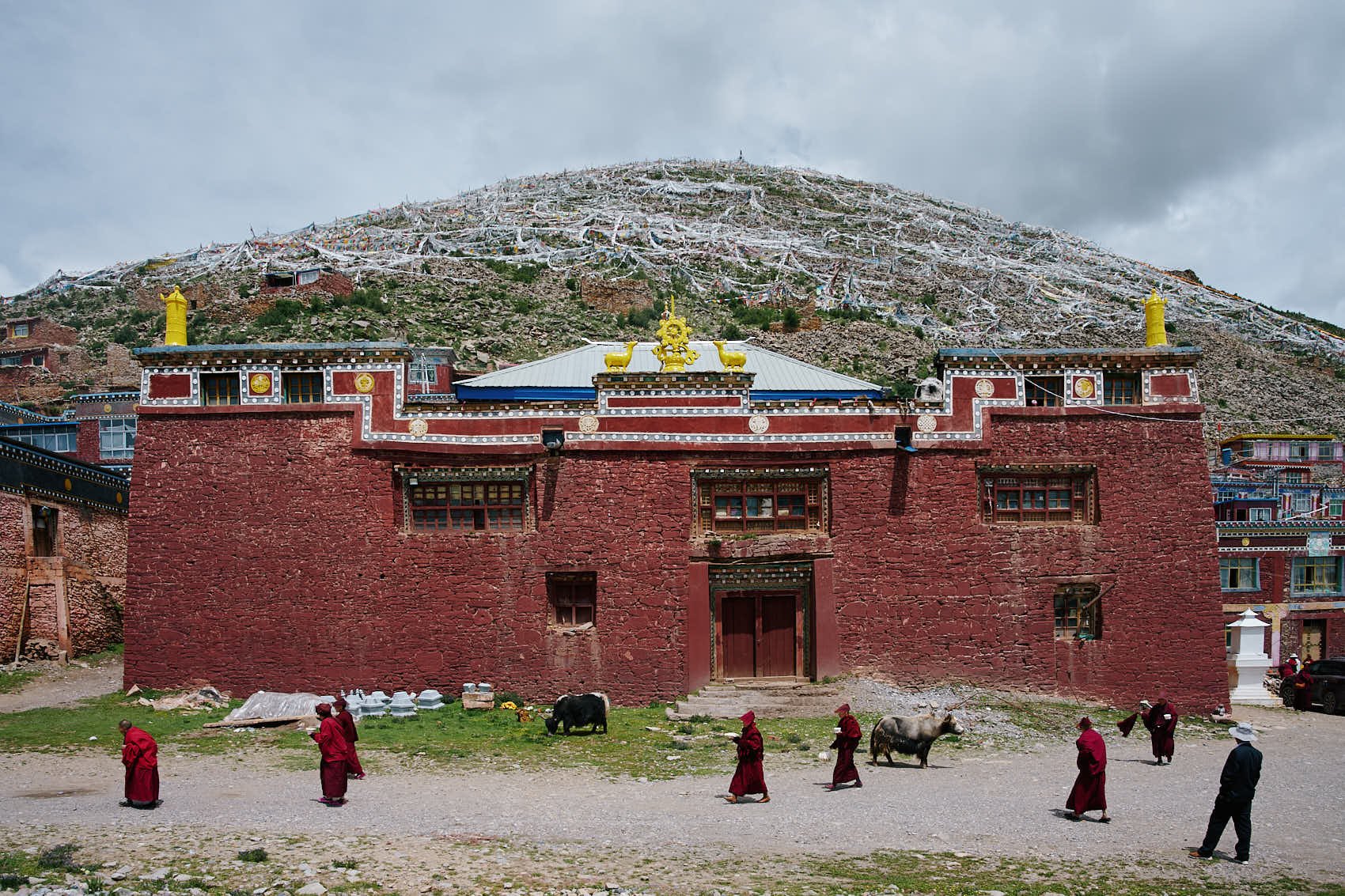
Zamerchen Nunnery
Zamerchen Nunnery is built into a sacred hill, shrouded in prayer flags and stories of the flying lamas of old Tibet. It is reached via a treacherous, unpaved dirt track. Here, the nuns maintain an unbroken yogic lineage said to span a thousand years. The nunnery’s khenpo (abbot) is High Lama Kungsang Dhundup, who presides over ceremonies.
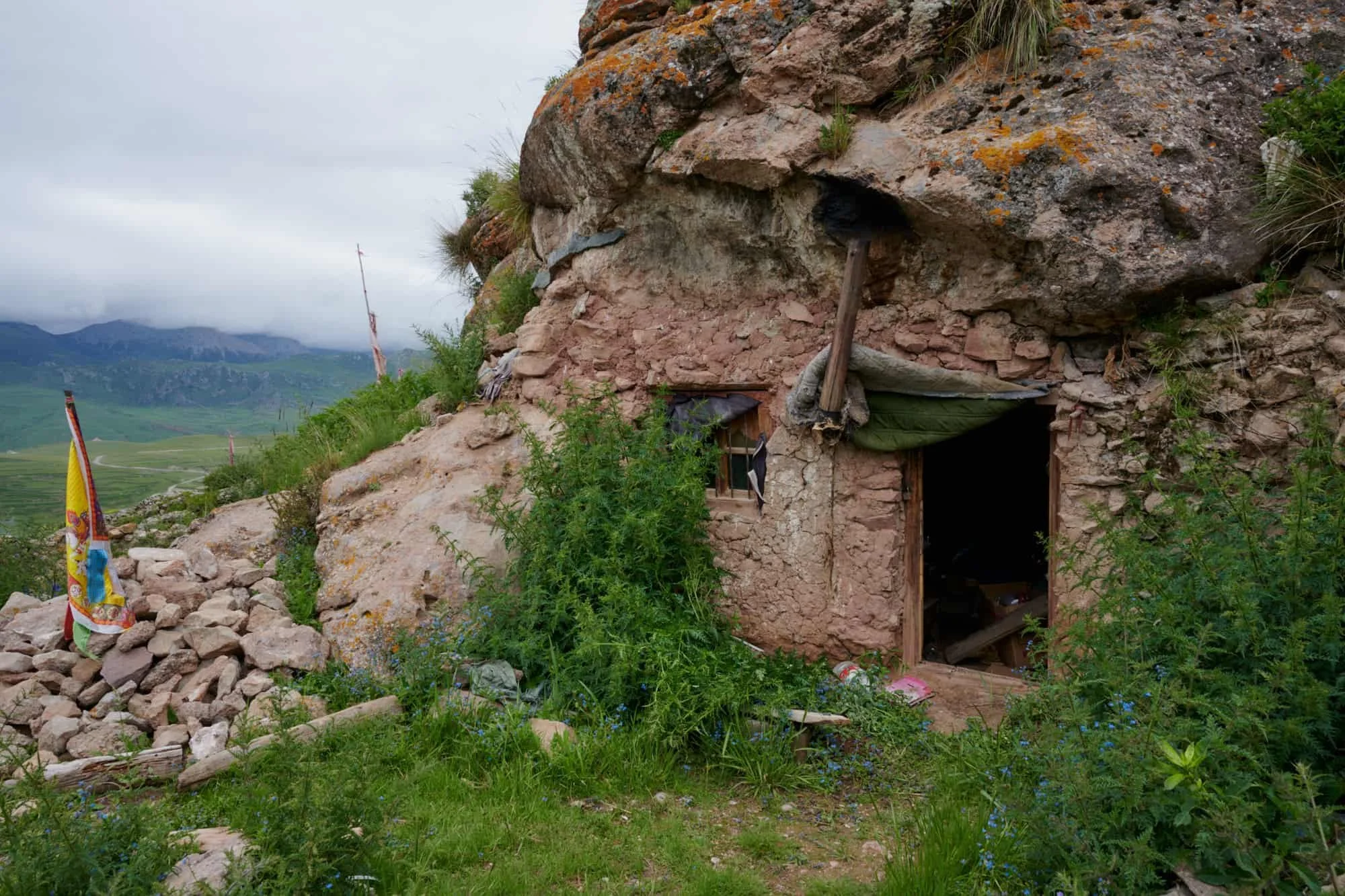
Lamagon Hermitage Cave
A hermitage cave nestled in the hills above Nangchen town, marked by weather-beaten prayer flags at its entrance. The cave is said to be a place where many great lamas attained enlightenment. It is believed to be rich in “gnas” (loosely translated as ‘place power’), accumulated from its previous occupants, and is visited by monks seeking to absorb this presence. Inside are simple traces of retreat: a makeshift bed, a wooden table scattered with tea lights, and a blackened pot on a cast-iron stove.
Meditation caves are central to the sacred geography of Tibetan Buddhism. The Potala Palace—Tibet’s most revered site—was founded on the location of a meditation cave used by Tibet’s first Buddhist king, Songtsen Gampo.
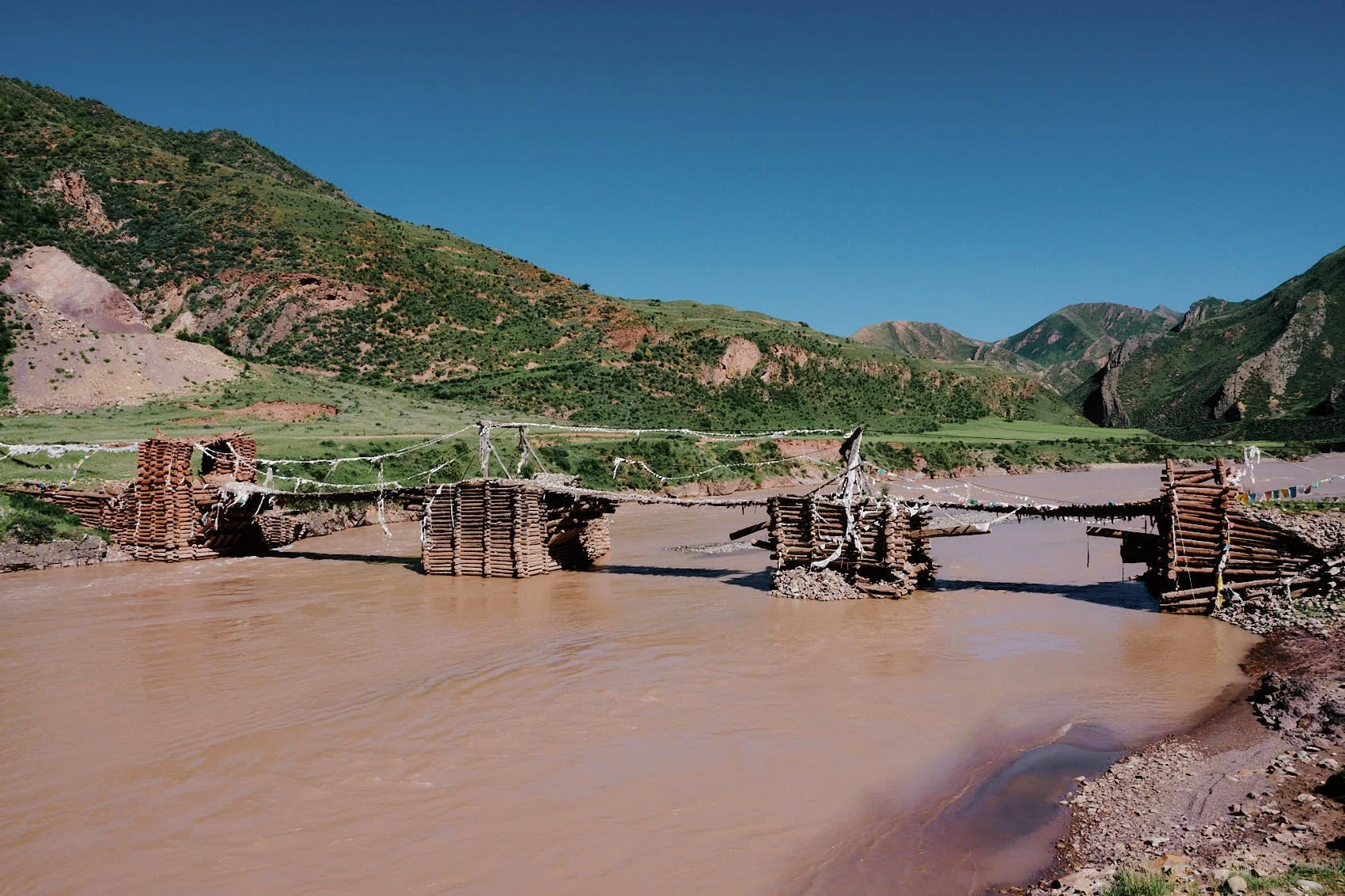
The Old Bridge near Jichu (Jiqu)
A historic river crossing in southwestern Nangchen, this traditional bridge once connected the village of Jichu with the spiritual sites of Gyamar Mani and Trulshik Monastery. It has since been replaced by a new bridge.
Gar Monastery
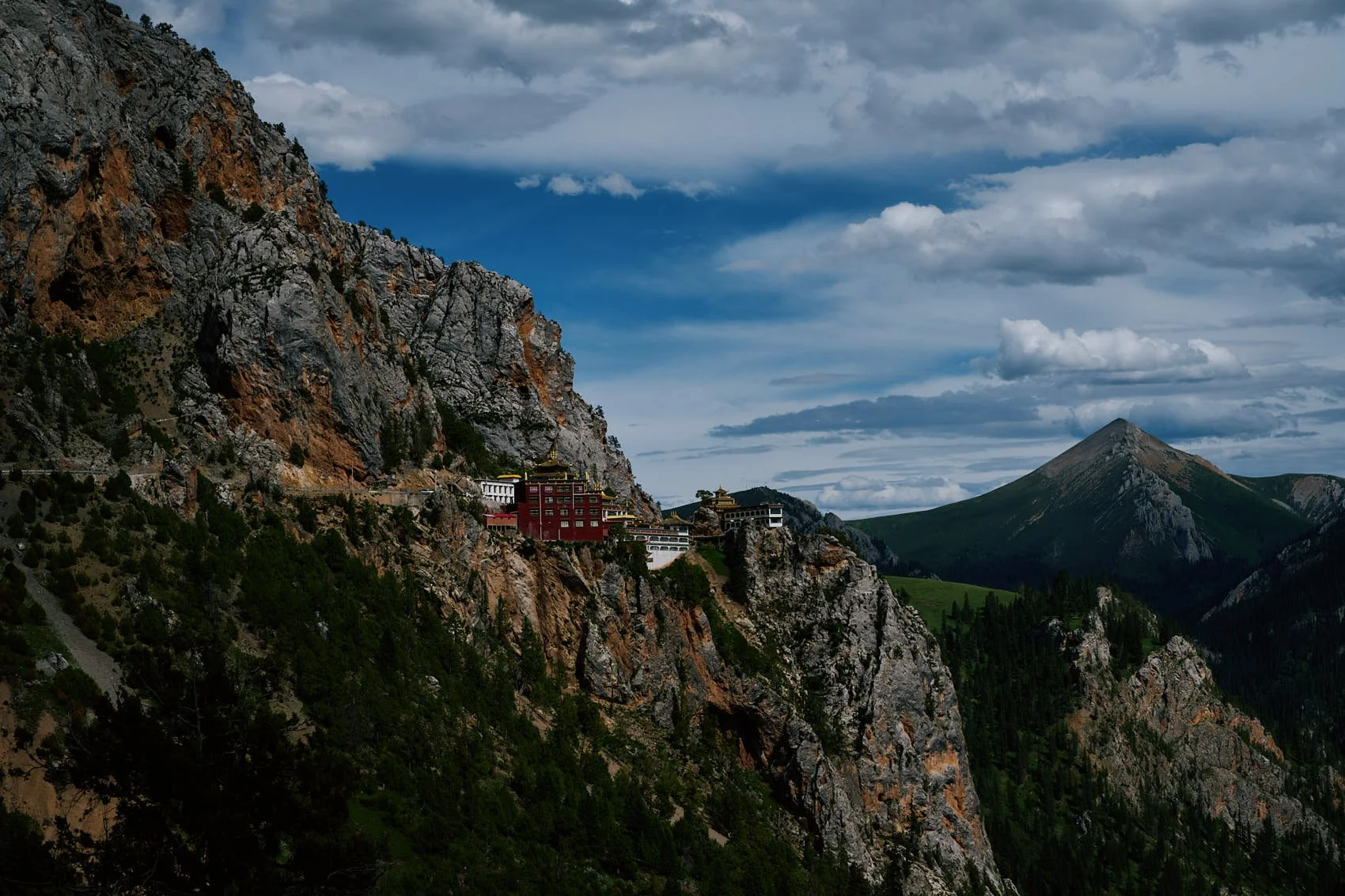
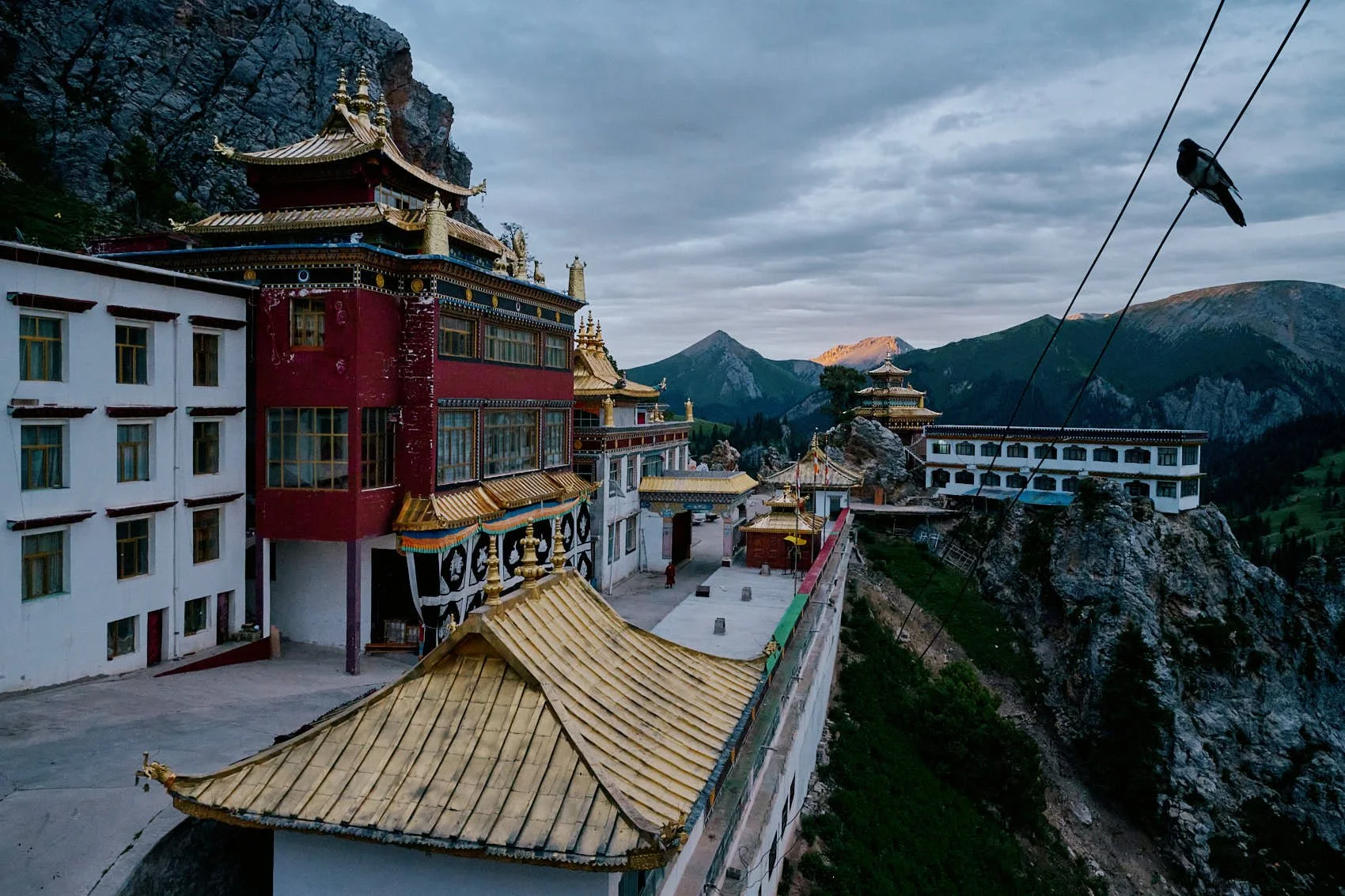
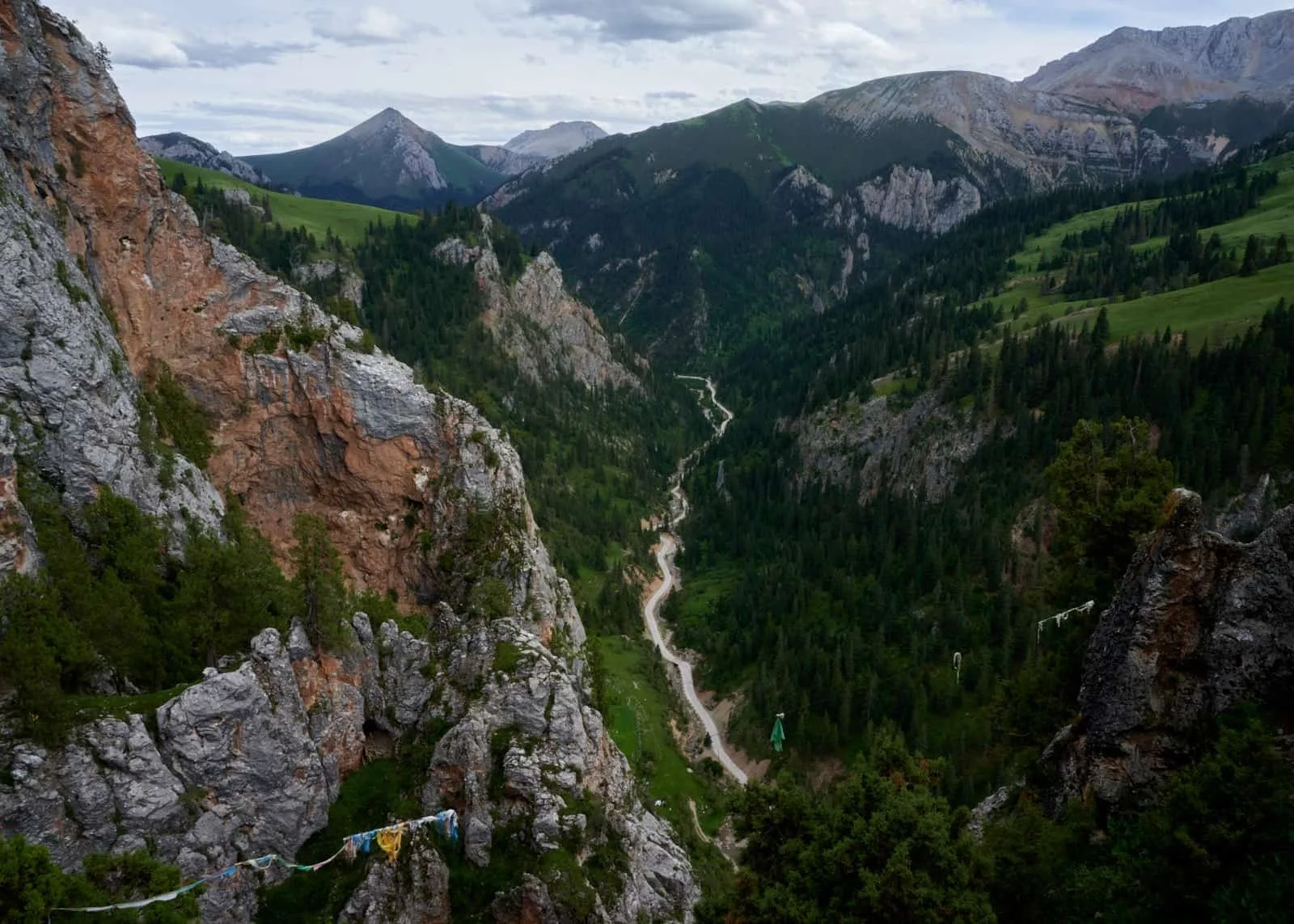
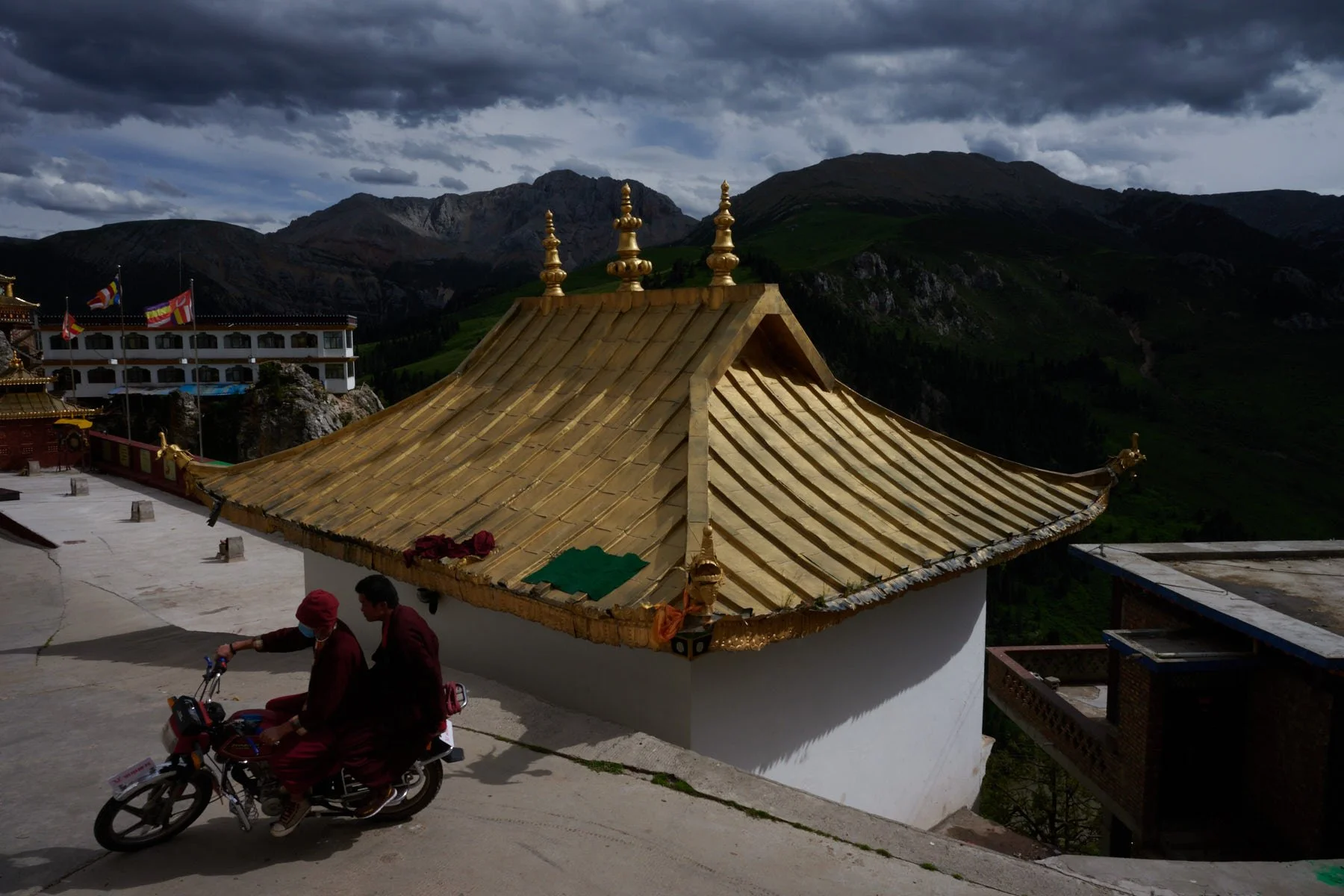
Gar Monastery, perched high above the Dza River valley, is one of the most beautiful monastery settings in Tibet. The 700-year-old complex, ringed by mountains and verdant forest, has produced some of the greatest masters and yogis of the Kham region. Deer and monkeys roam freely around the monastery without fear of human presence.
Buddhists come to see the highly venerated Chinese Princess Wencheng Prayer Wheel, brought to Tibet in the 7th century. This sacred wheel is spun day and night, and the oil used to lubricate its axis is highly prized, with devotees applying minute amounts for blessings and healing.
The monastery offers simple accommodation, with breakfast shared alongside the monks.
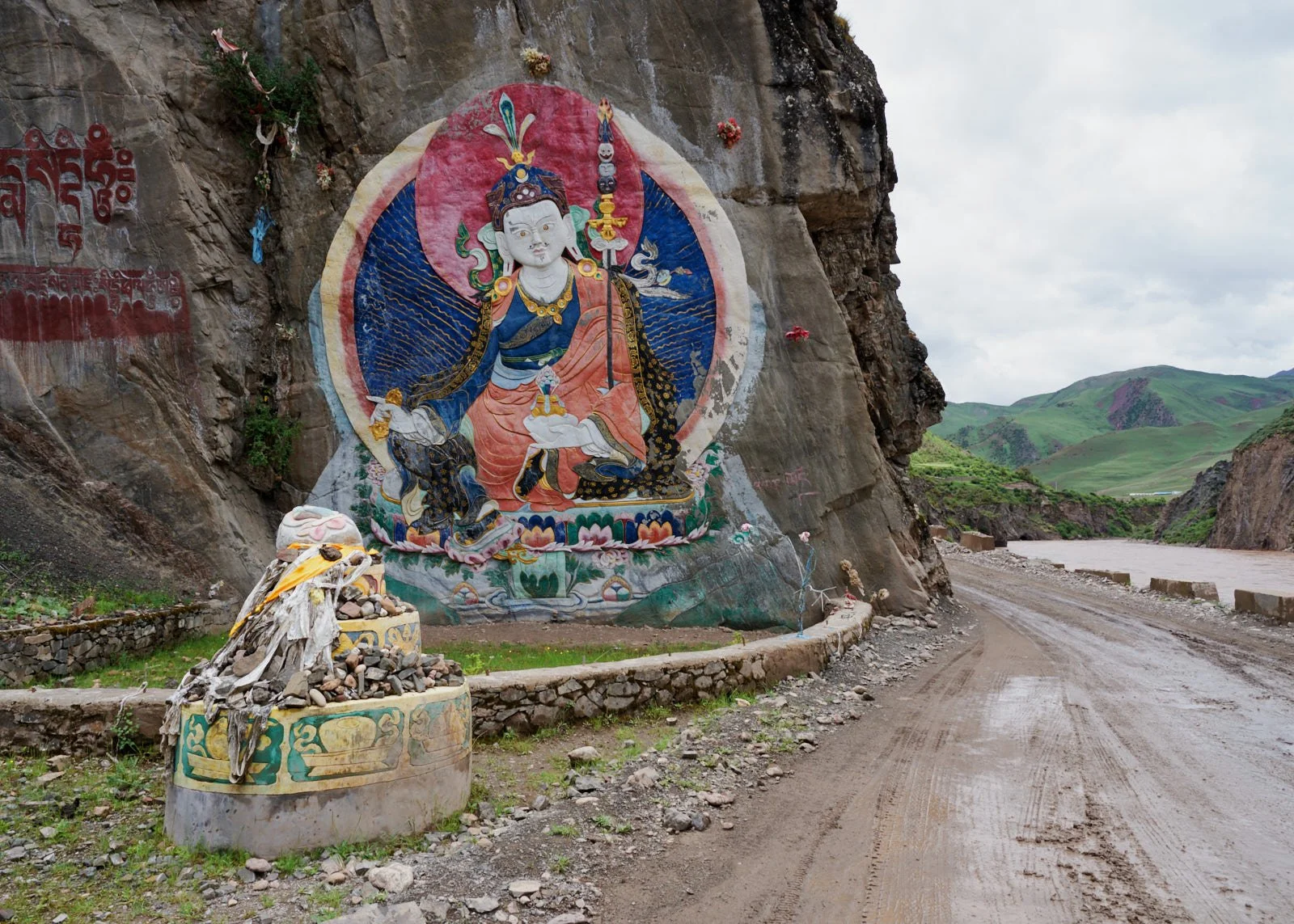
Roadside Murals on the road to Nangchen
Roadside murals in Nangchen serve as spiritual armour for travellers navigating high-altitude, unpaved roads. Painted directly onto cliff sides, these vivid depictions of protective deities consecrate the landscape, transforming hazardous 5,000 m mountain passes into spaces of divine sanctuary. Travellers engage through brief rituals—chanting mantras and casting lungta (wind horse) prayer papers—to secure safe passage against blizzards and landslides.
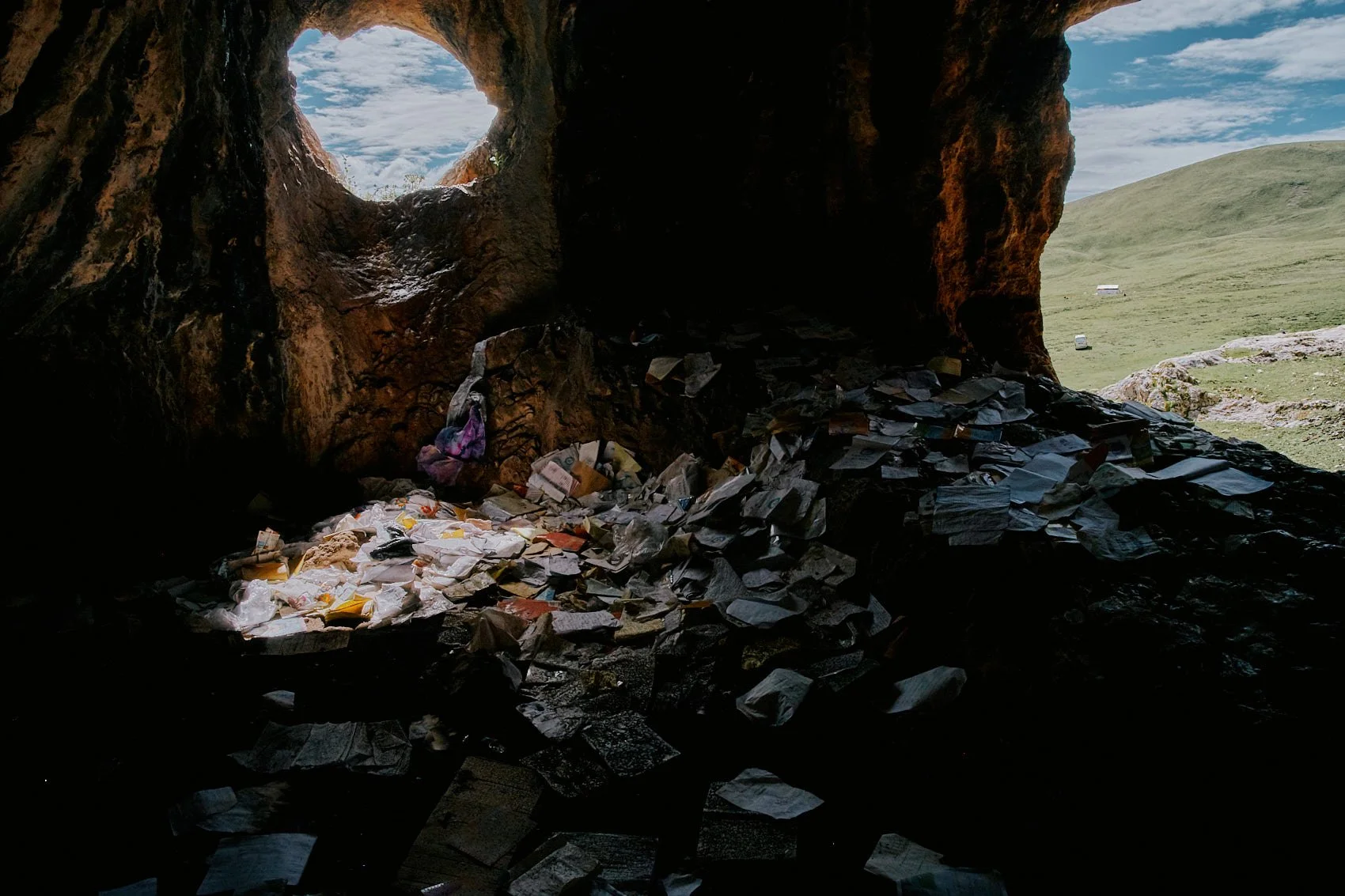
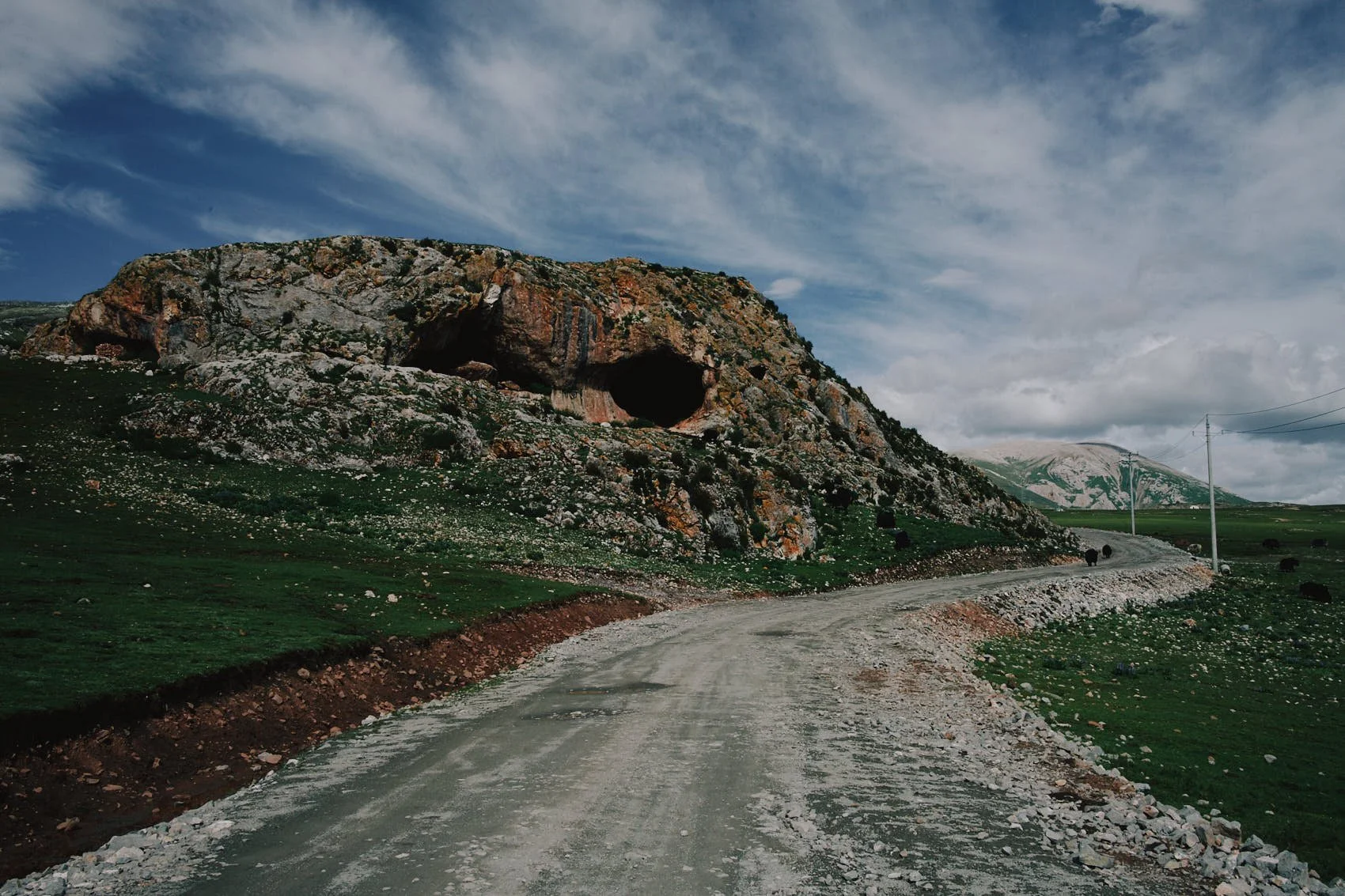
The Cave of Scattered Prayer Books
A remote cave filled with loose pages of scripture—unusual, yet not uncommon in the deeper parts of Kham, and never signposted. These caves are often associated with hermitage traditions (solitary retreats), sky burial cosmology (where texts are left to decay naturally), ritual disposal (for sacred books too damaged to burn or bury), and local spirit practices, where offerings are left for mountain deities.
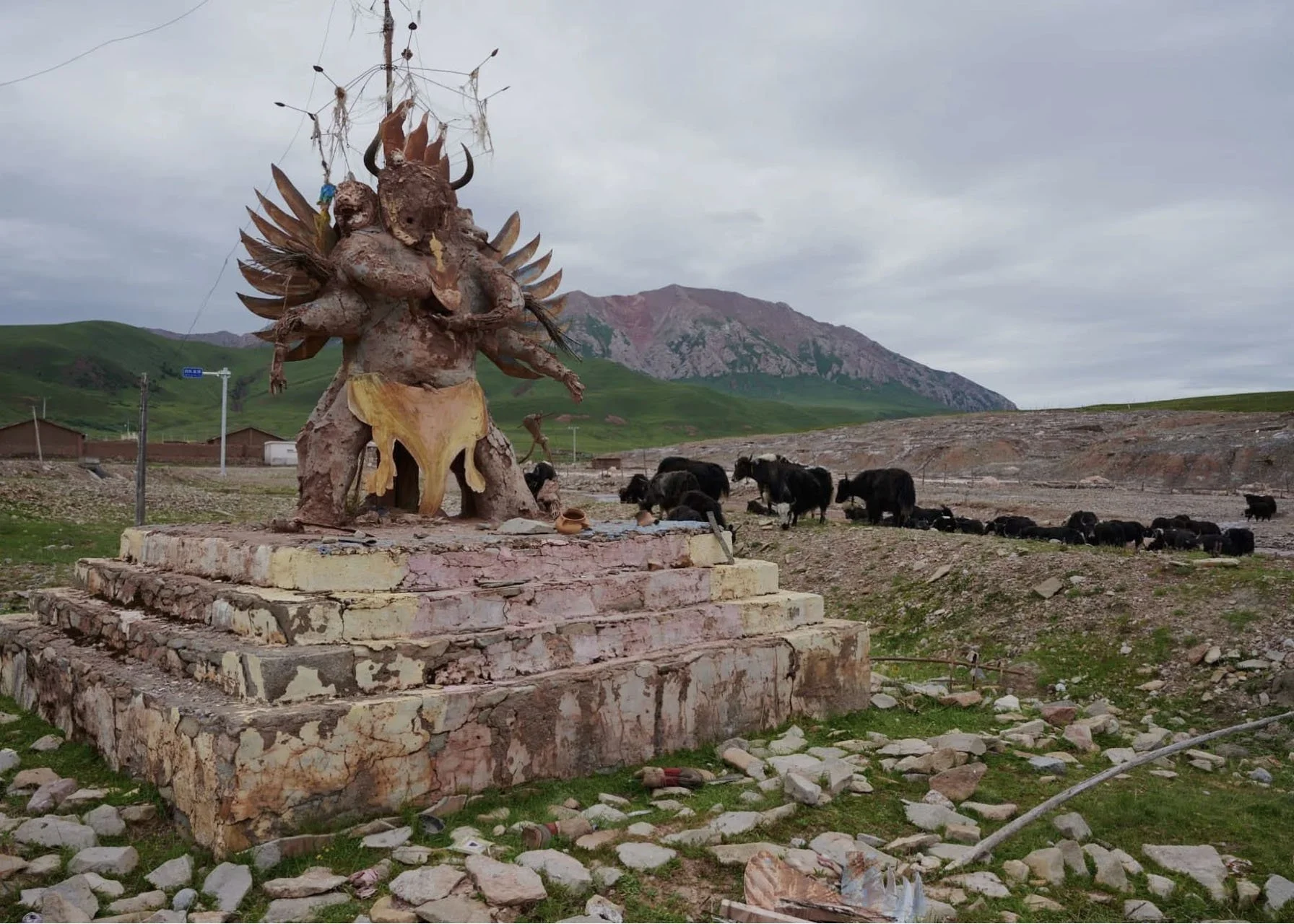
An Animistic Roadside Sculpture
A winged, yak-like sculpture by the roadside belongs to an older, pre-Buddhist layer of Tibetan belief—Bon, animism, and local protector spirits. My Tibetan guide could not fully explain these figures, but noted that they often appear near territorial spirit sites, marking the domain of a yul lha (local mountain deity).
TRAVEL BRIEFING
I travelled with Tashi of tashistibetantours.com and can recommend him; he was born in Nangchen.
snowliontours.com and landofsnows.com also run tours of Nangchen County.