Books on the Sahara
Read and Recommended: Books by Sven Lindqvist, Antoine de Saint-Exupéry, Isabelle Eberhardt, Pablo d'Ors, Paul Bowles, Geoffrey Moorhouse, Ibrahim al-Koni and Philippe Diolé.
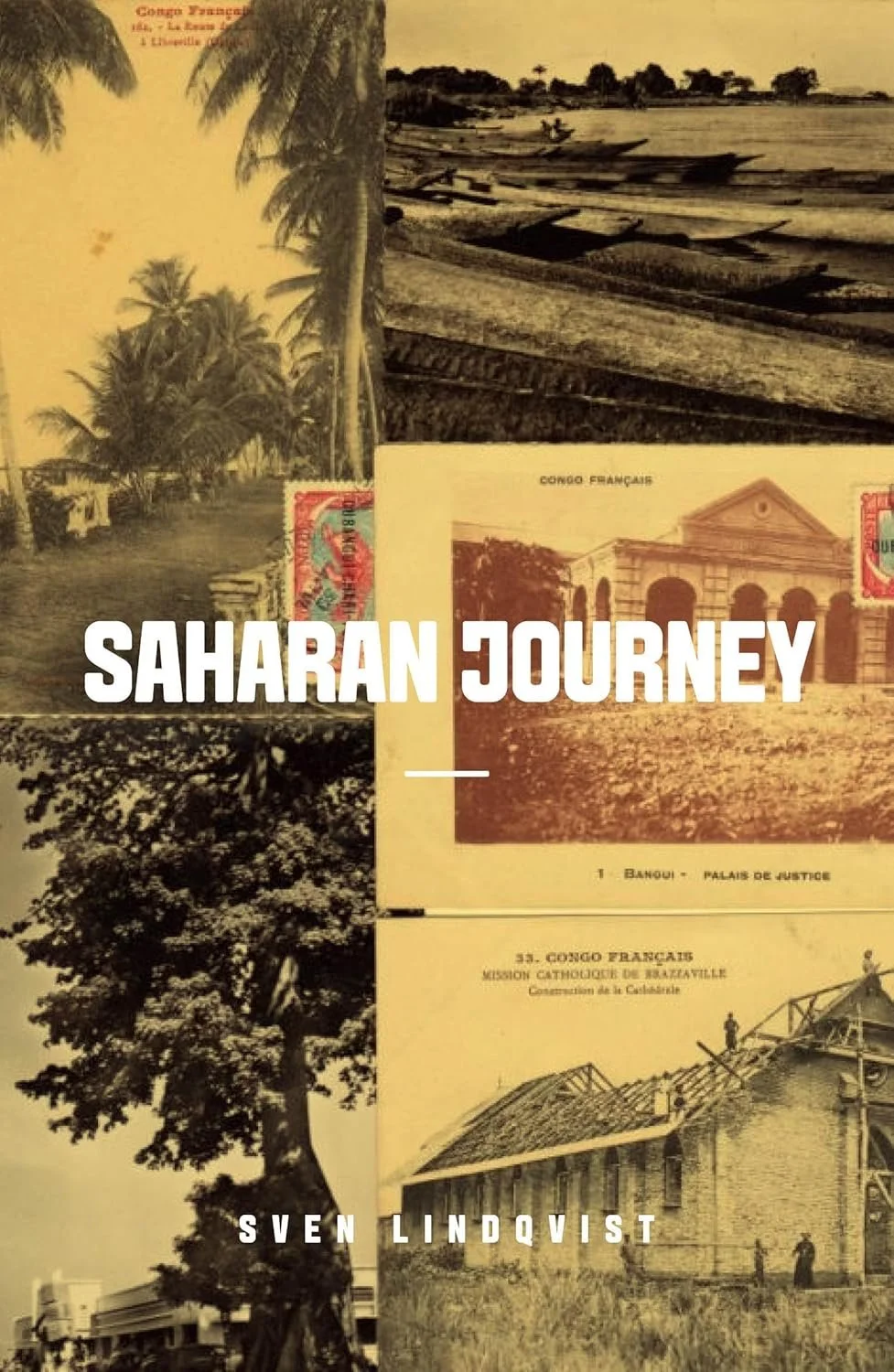
Sven Lindqvist
Lindqvist’s journey through Algeria and Morocco is driven by unease. His fragmented style mirrors the broken history he uncovers: how the “empty" space justified everything Europe chose to do there. This is a beautiful and angry book about the legacy of colonialism and an exploration of the way European writers ventured into the Sahara, drawn by their own strange dreams.
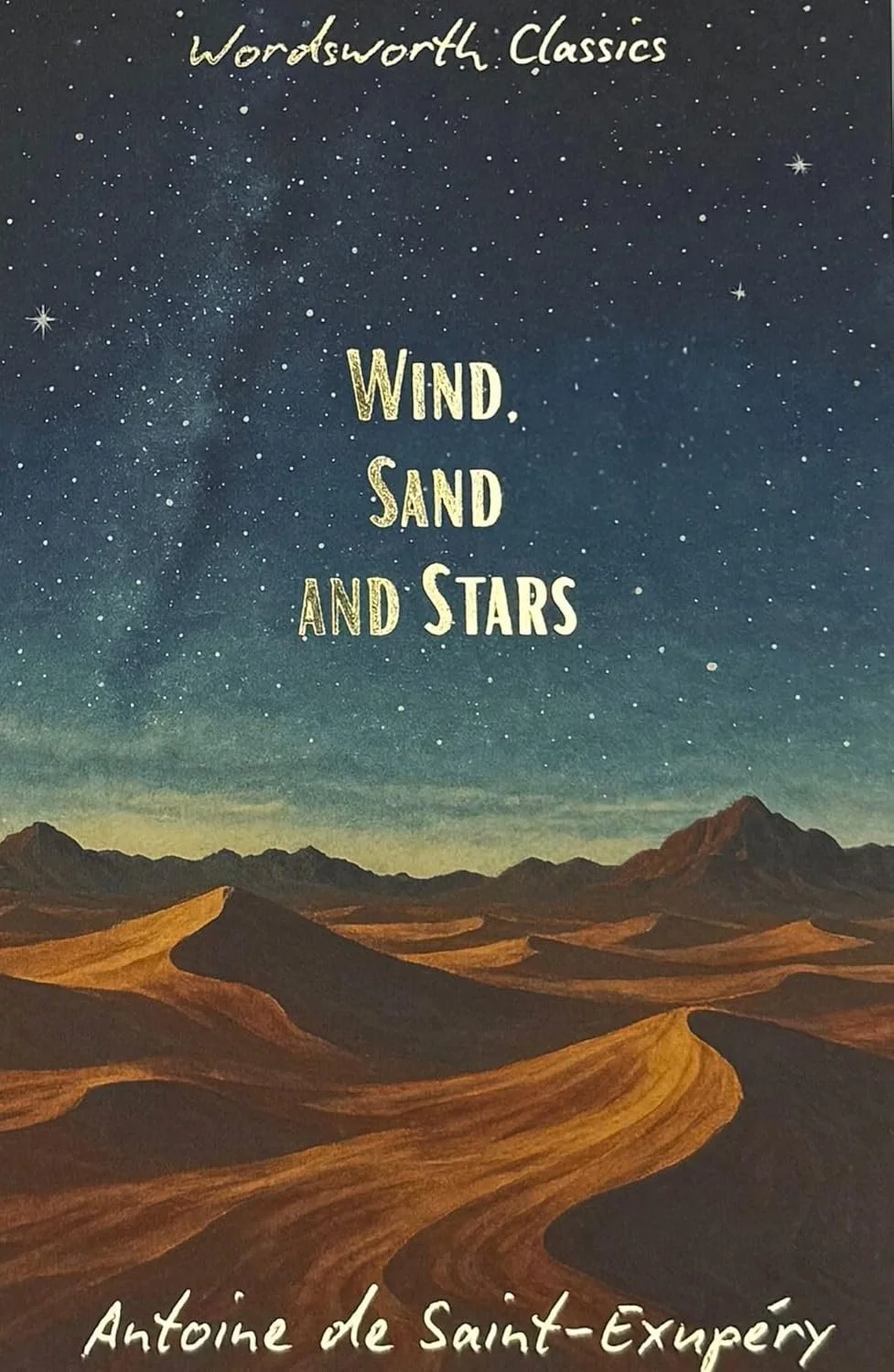
Antoine de Saint-Exupéry
Its been a long time since I read this book, but it made its mark on me. Saint-Exupery’s appeal lies in the awakening that humans first started to undergo when viewing our planet from thousands of feet up. If you ever wanted a pilot to double as your philosopher, this is the book for you.
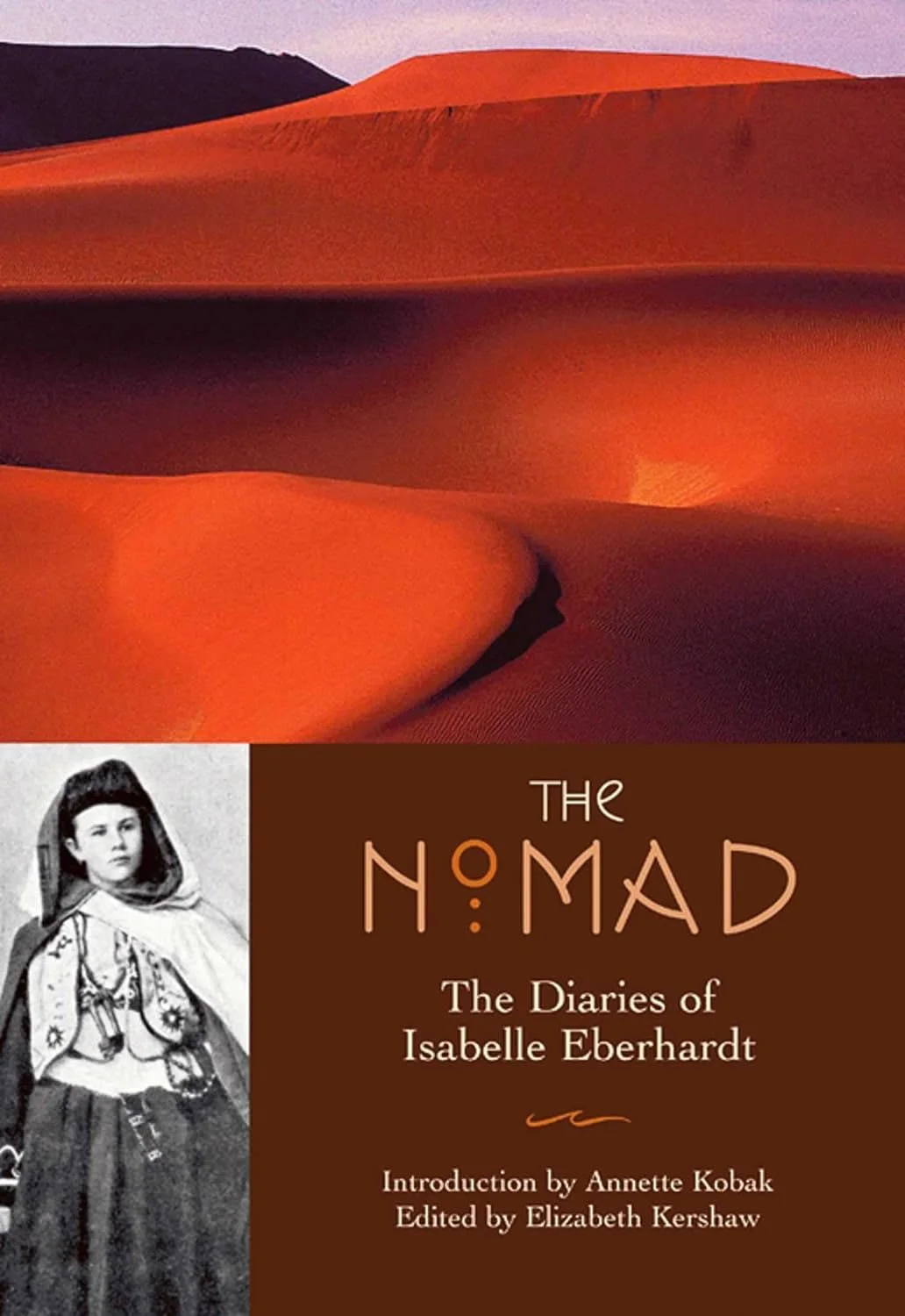
Isabelle Eberhardt
Eberhardt converted to Islam, dressed as a man, and lived in the Sahara as few Europeans ever dared. She wrote with a raw intimacy and viewed the desert as a place where the rules of society dissolve. A book full of passionate and lucid observations "In the silence of the Sahara, I found a peace that the world could never give me."
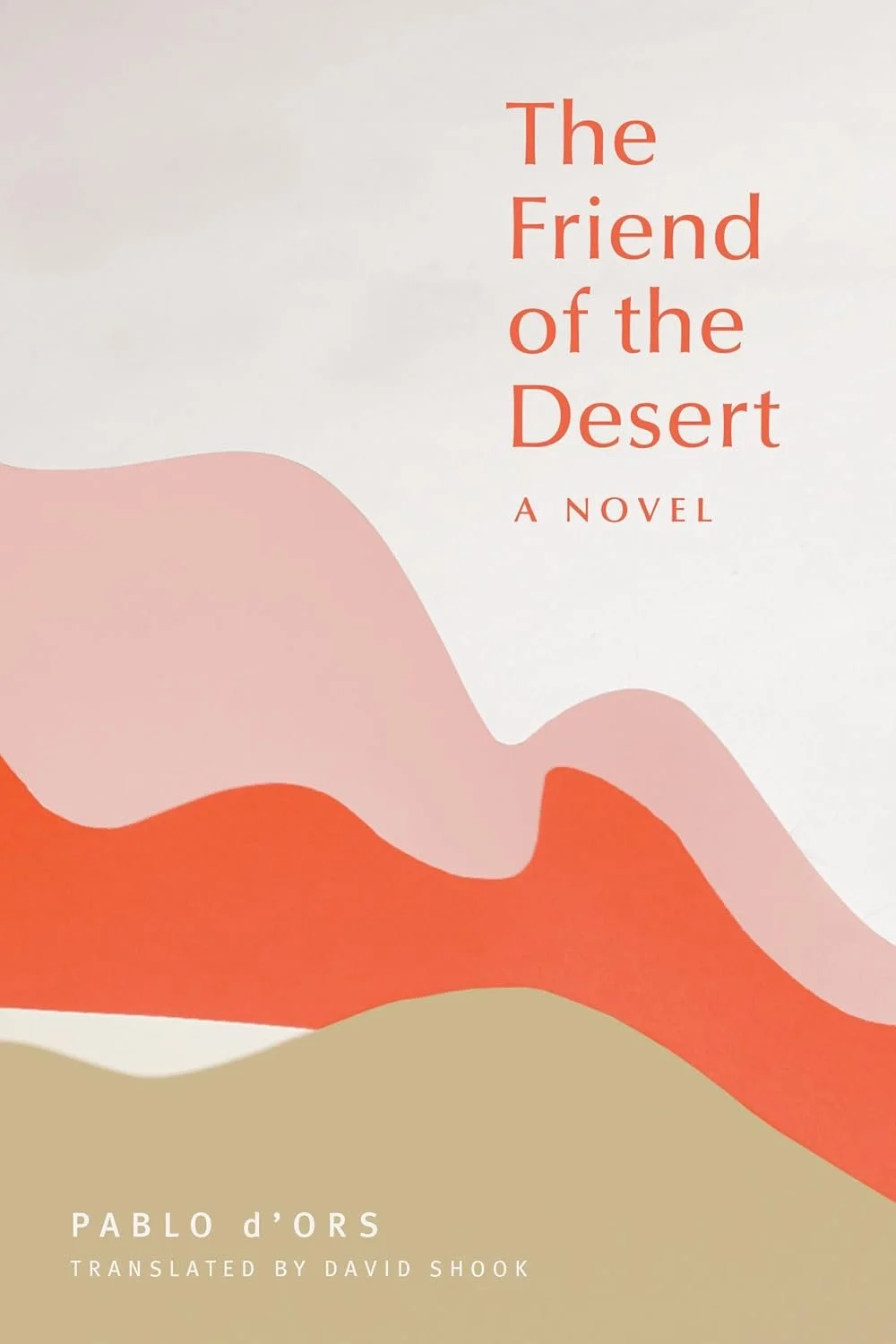
Pablo d'Ors
An short enigmatic book written by Spanish priest and student of Zen. A strange tale of one man's forays into the desert, first as part of an enigmatic organisation called Friends of the Desert and later on his own. I enjoyed Pavel’s explorations of the drifting sands as a mirror for his own expanding consciousness.
Philippe Diolé
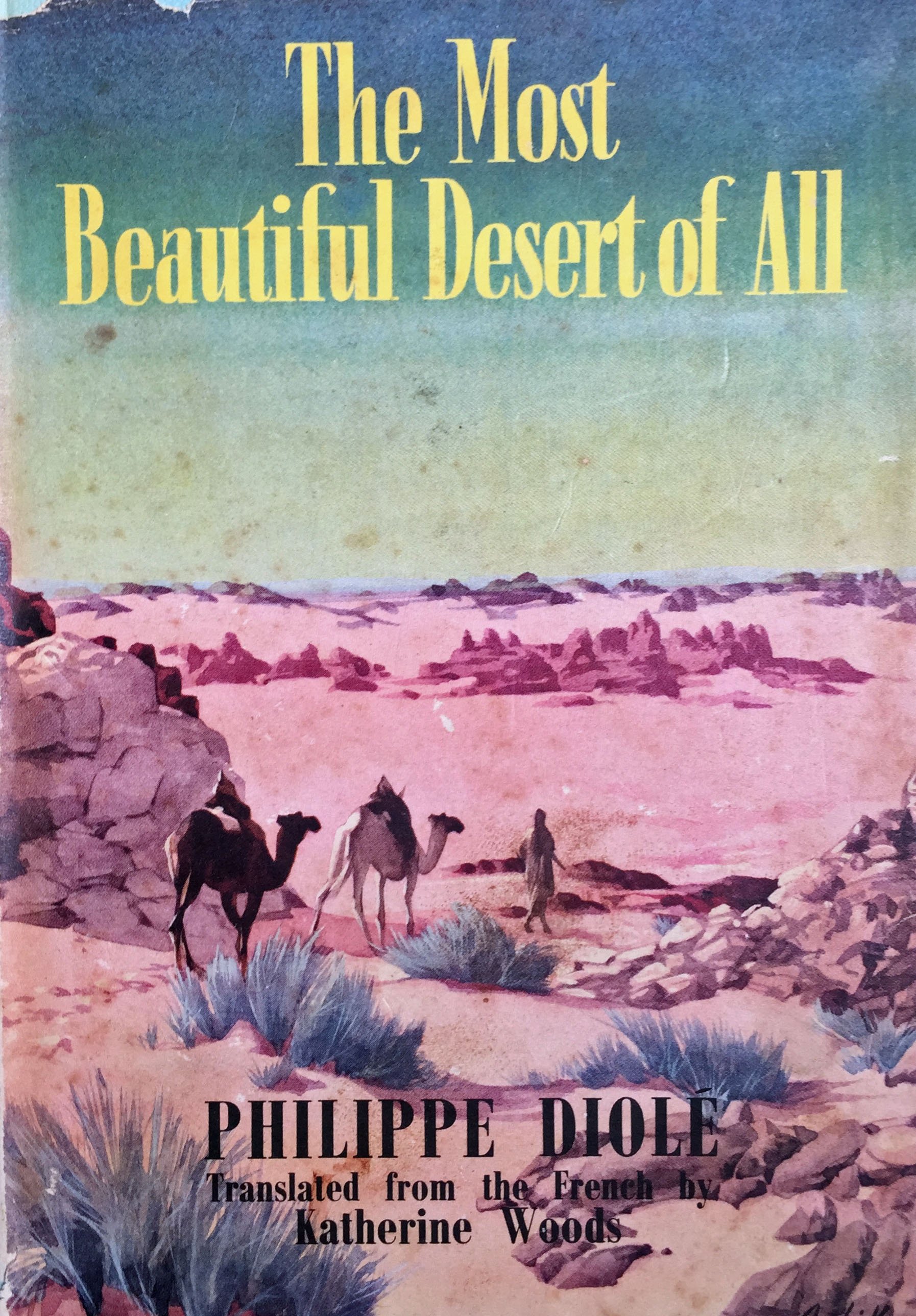
Philippe Diolé is known for his books about underwater exploration, having been a diver with Jacques Cousteau. But In this 1955 book he travels for a month by camel in Southern Algeria, in search of abandoned forts and rock art. There is also an account of his truck journey in Libya, accompanied by three French Foreign Legion soldiers. Historical stories from the days when such adventures were possible.
Paul Bowles
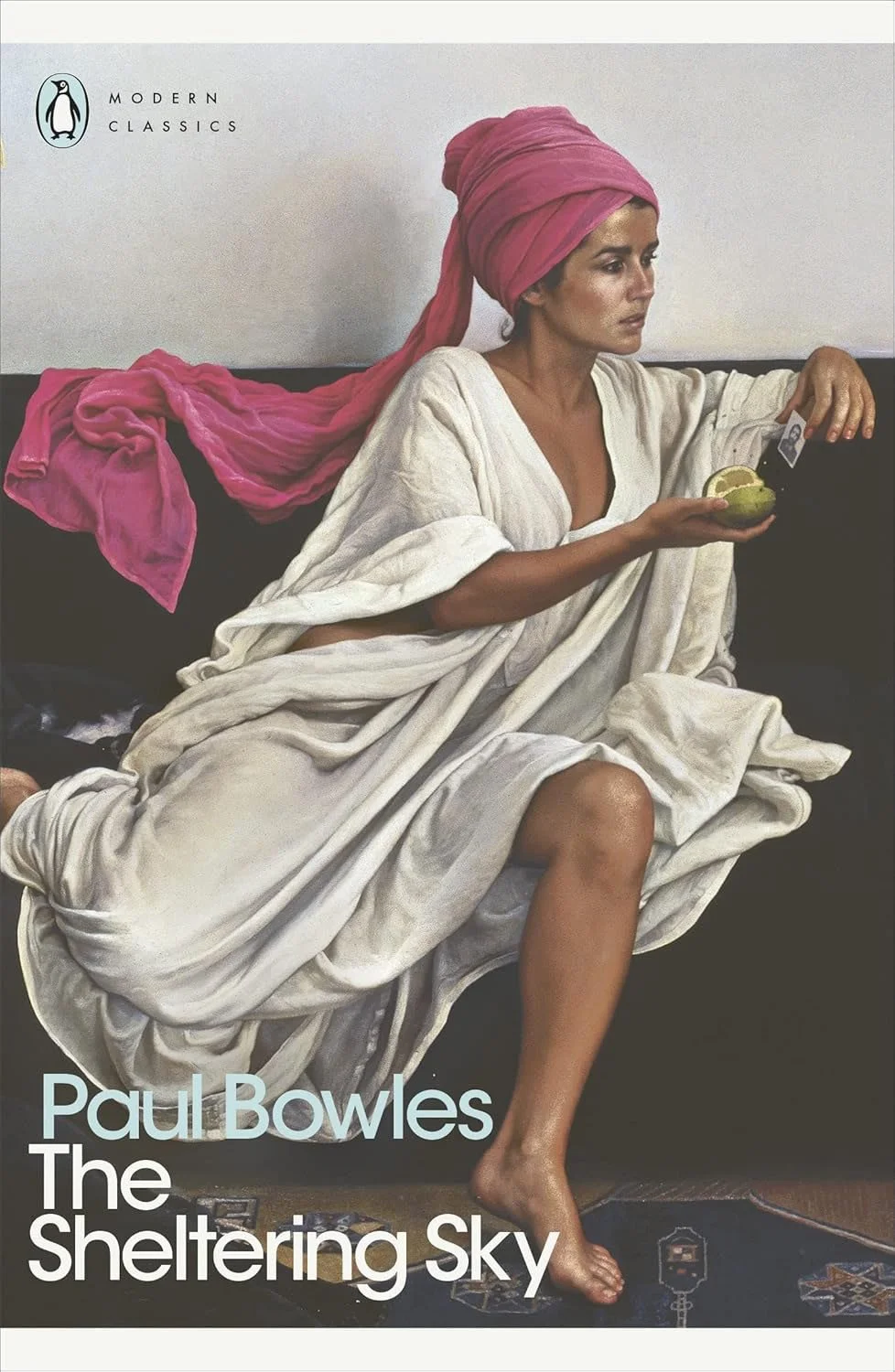
The Sheltering Sky follows three Americans into North Africa, and charts their downfall in a place that offers no mercy and no meaning they can recognise. Bowles writes with a detachment that mirrors the desert’s indifference. The first book I read that was set in the Sahara, and led me to discover more of Bowles’s work.

Geoffrey Moorhouse
Moorhouse set out to cross the Sahara on foot. As he moves further into that “awful emptiness,” the hunger and the heat turn the journey inward, and the desert tests his very reason for being. A book refuses to offer a happy ending or a grand transformation.
Ibrahim al-Koni
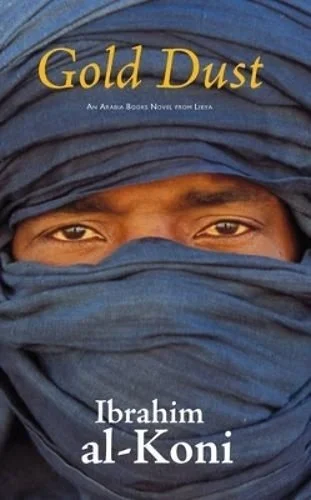
Where western writers see a void, al-Koni, a Tuareg, sees a living, breathing world. Gold Dust follows a young nomad and his bond with a pale Mahri camel. The novel reaches back into myth, mysticism, and the ancient law of the sand. This is my latest read on the Sahara and mirrors my own journey from early western perceptions to meeting the Tuareg in Algeria.