Where to Stay Alone in Nature in Britain
Stays to disappear into nature — cabins and bothies in Scotland, England and Wales.
There are surprisingly few stays in Britain where you can genuinely spend a few days, or weeks, alone in nature. So I went looking for them.
The criteria for the search was that it must provide small, private, and simple shelter where solitude is part of the experience.
I’ve stayed at one of these properties myself (Cragaig Bothy), and I’m holding another stay back until my planned visit is over.
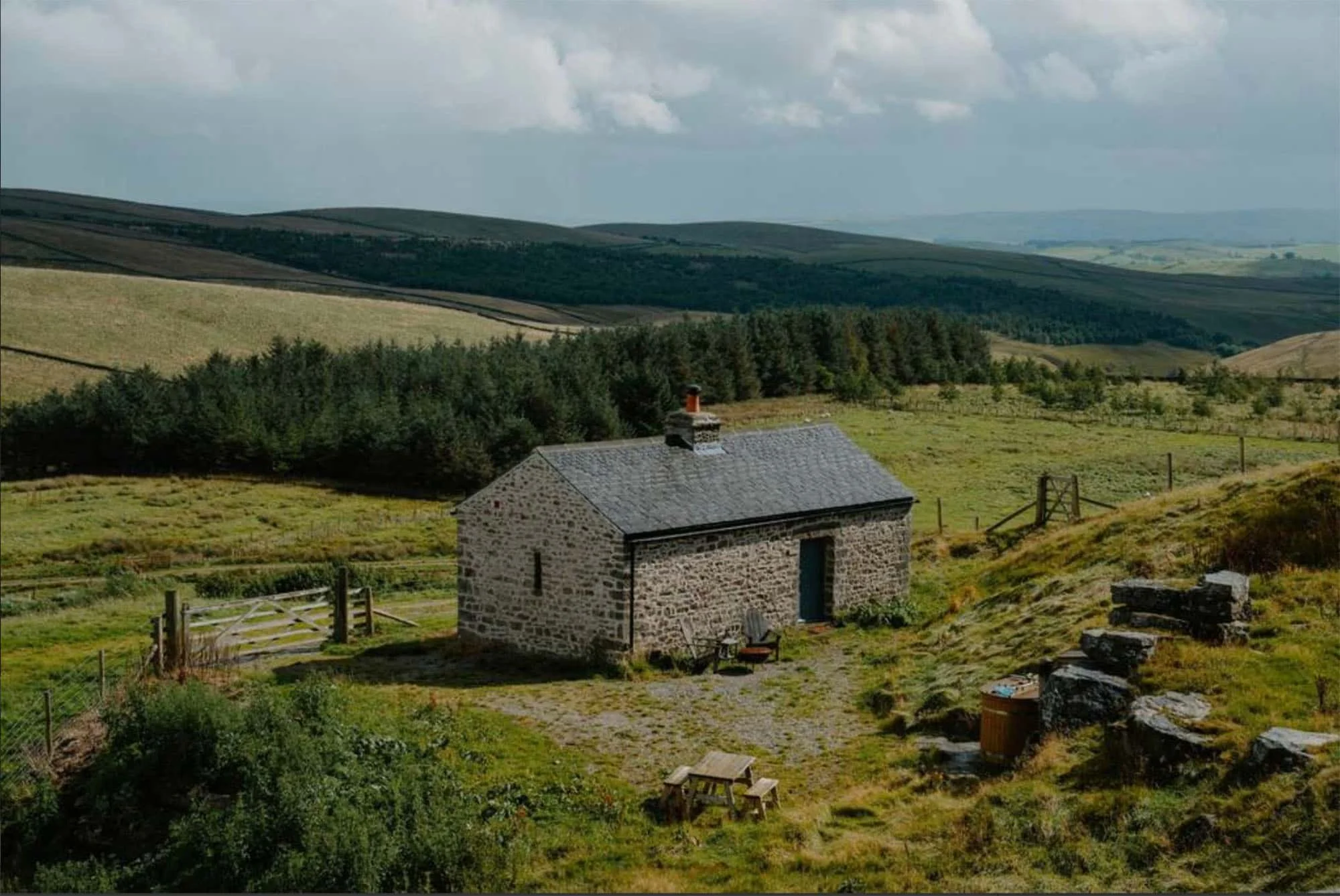
The Quarryman's Bothy — Yorkshire, England
How alone?
Remote. A small stone bothy perched on the edge of the Yorkshire Dales, around 1½ miles from the nearest building. The rough track ends here, and after leaving your car behind there's another 800m walk across the fields to reach it. The nearest neighbours are more likely to be sheep and cattle than people.
The building was once the site manager's office for Hunterbark Quarry. The original stone and slate remain, while the interior has been tastefully restored. It's off-grid and solar powered, with a wood-burning stove, a small kitchen and a wood-fired hot tub tucked into the old quarry.
Power: Solar electricity.
Water: Tanked water; drinking water supplied.
Phone: Signal available, depending on network.
Wi-Fi: None.
Supplies: Settle is around 2 miles away; supplies and provisions are also provided on arrival.
Access: 800m walk from the private parking area, through fields and along a rough track.
Amenities: Wood-burning stove, gas-heated water, shower, composting toilet, small kitchen, solar fridge and wood-fired hot tub.
Photography: The Quarryman's Bothy 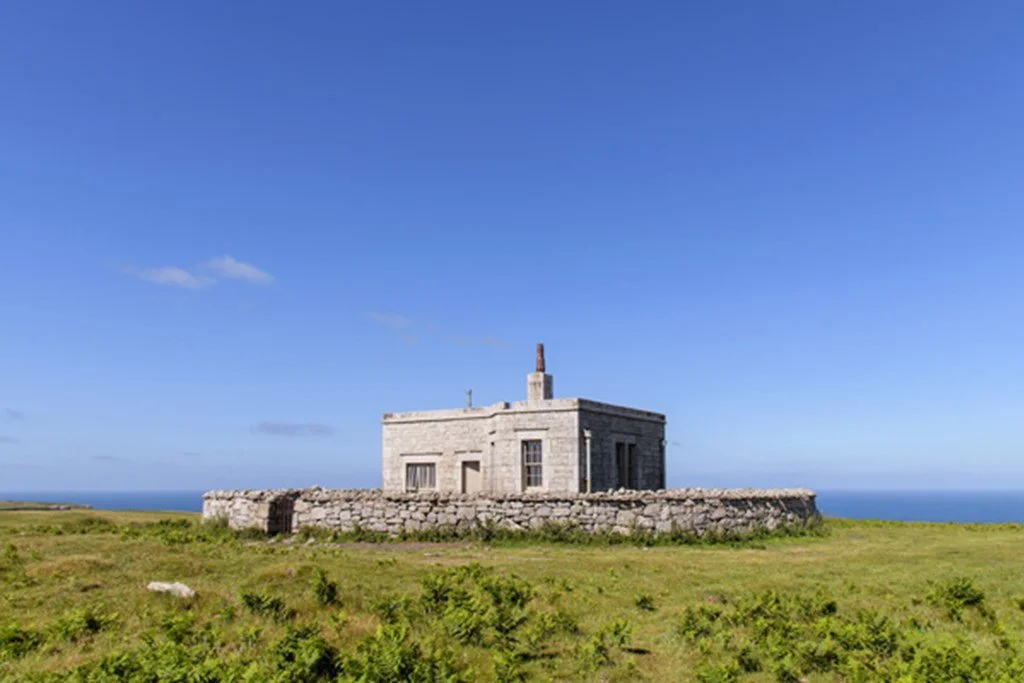
Tibbetts — The Island of Lundy, England
How alone?
Remote. Tibbetts is about 1¾ miles from Lundy's village and sits on one of the highest points of the island. The Landmark Trust itself describes it as “as remote and simple as anyone could wish for.”
Tibbetts is built of pale granite in 1909. The interior is lined with varnished matchboarding and keeps its original atmosphere. Here you can truly appreciate the tranquillity of the island.
Power: Gas only — no electricity.
Water: Running water.
Phone: No/weak mobile signal.
Wi-Fi: None.
Supplies: Island shop/pub, but you're 1¾ miles from the village.
Access: Lundy itself requires the island crossing; then walk to Tibbetts.
Amenties: Pumped water supply and a shower. Kitchen, Wood Burning Stove.
Photography: Landmark Trust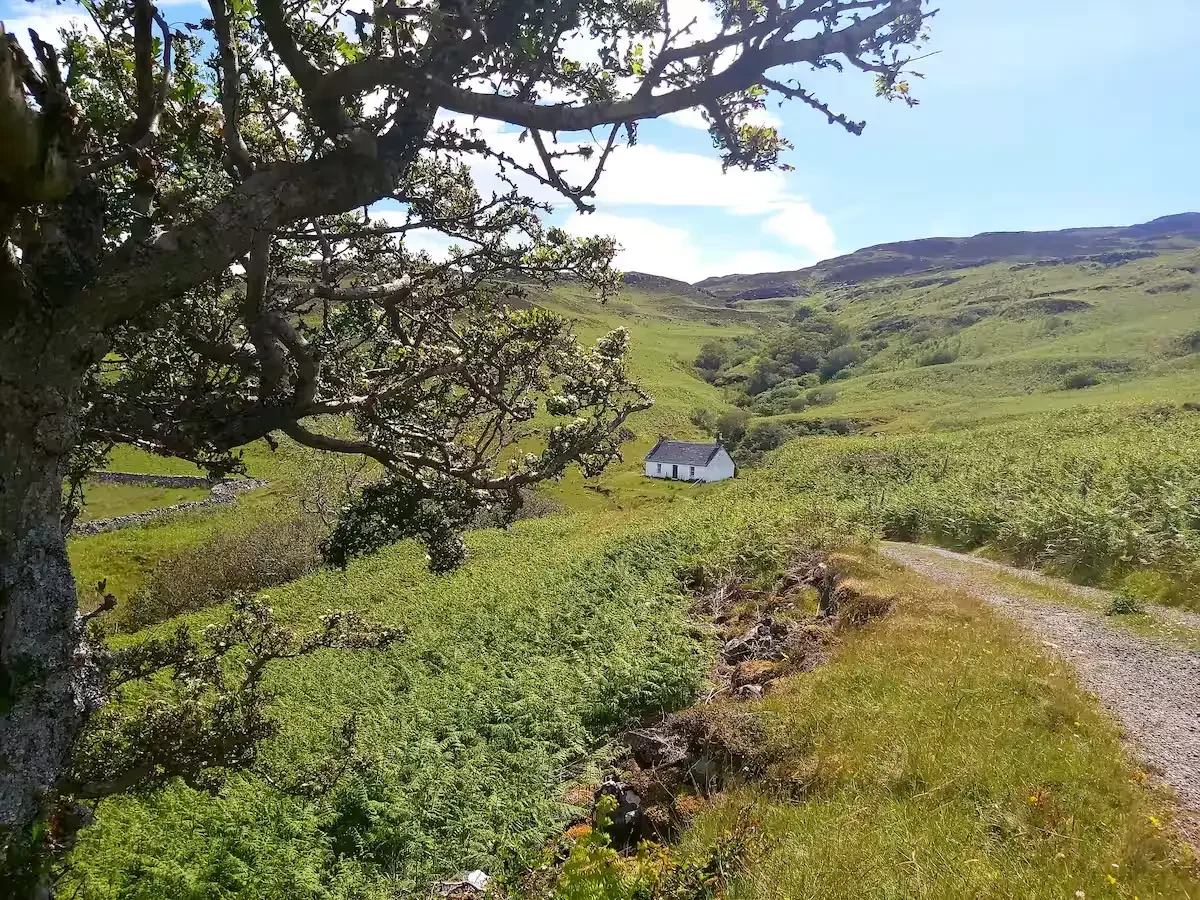
Bearnus Bothy — Isle of Ulva, Scotland
How alone?
Remote. Bearnus is one of the last dwellings beyond Ulva's main settlement. There are no neighbours until Gometra, three miles further along the track. It's a five-mile walk from Ulva Ferry, carrying your own kit.
A rustic, off-grid hideaway beside a quiet bay on the Isle of Ulva, restored with reclaimed materials washed up by the sea. Wood stove warmth, big skies, and wildlife on the doorstep — this is a stay for people who want to slow down and manage for themselves.
Power: Off-grid; fire/stove used for cooking and heating water.
Water: Natural water; guests need to boil it.
Phone/Wi-Fi: limited/uncertain
Supplies: No shop on Ulva. Bring everything from Mull.
Access: 5-mile walk from ferry; luggage can be transported separately by quad bike at extra cost.
Amenties: Fuel for the fire (type depends on local availability) can be provided on request, at extra cost.
Photography: Bearnus Bothy 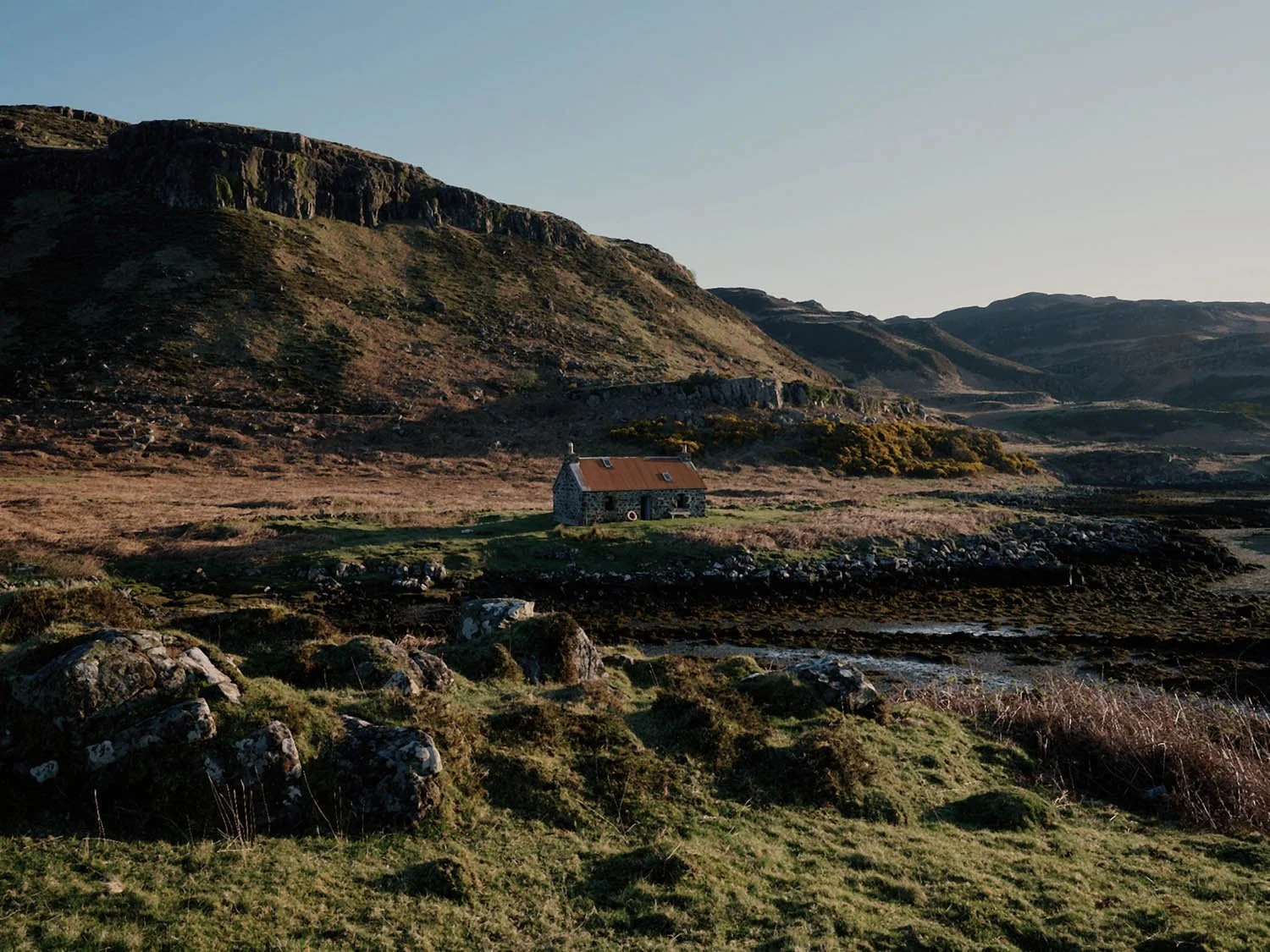
Cragaig Bothy — Isle of Ulva, Scotland.
How alone?
Remote. The bothy sits alone on the remote southern side of Ulva. There is no road to it and access is a roughly two-hour walk from Ulva Ferry. The occasional walker may pass by on the path above the bothy, but most don’t venture this far.
Cragaig Bothy is a back-to-basics retreat on the remote south side of the Isle of Ulva. The Bothy offers a snug, back-to-basics stay with everything you need for comfort and warmth after a day outside. Seals bask in the bay, and you may see deer and White Tailed Eagles.
Read about my stay at Cragaig Bothy here.
Power: None. The bothy is lit by candlelight at night.
Water: From the hillside; must be boiled before drinking.
Phone/Wi-Fi: Limited/no Wi-Fi; phone reception depends on network.
Supplies: No shop on Ulva — bring everything from Mull.
Access: Two-hour rough walk, or arrive by kayak/boat. Luggage can be brought over from the pier by quad bike, at extra cost.
Amenities: Wood Burning Stove with logs, kindling and firelighters supplied. Kitchen with bottled gas booker. Separate toilet and shower. Bedding and pillows are provided — bring your own sleeping bag and towels.
Photography: Nicholas Holt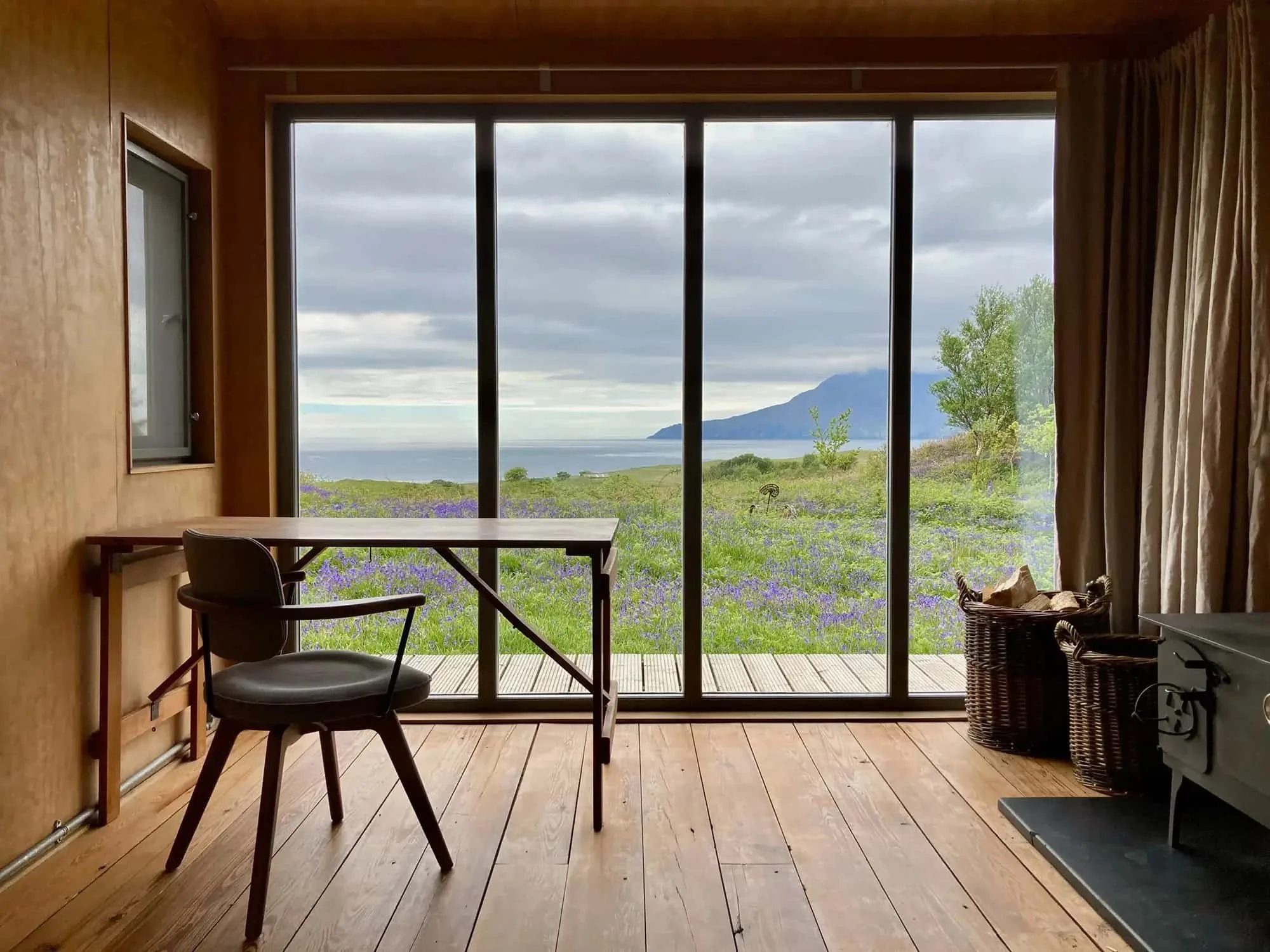
Sweeneys Bothy — Isle of Eigg
How alone?
Remote. It's the most remote of Eigg's bothies, with its own access path and sitting beneath the cliffs of Cleadale.
The Bothy is of contemporary design with views to the island of Rum. This Bothy is popular and is often booked up.
Power: Renewable electricity, but limited.
Water: Natural spring water.
Phone: Yes — a mobile mast now serves Cleadale.
Wi-Fi: None.
Supplies: No fridge; cool box supplied. You'll need to bring food from the island facilities.
Access: Own access path; not a settlement-style holiday cottage.
Amenities: Wood burning stove with oven. Kitchen with single gas ring. Outdoor shower and compost loo with a view.
Photography: Eigg Time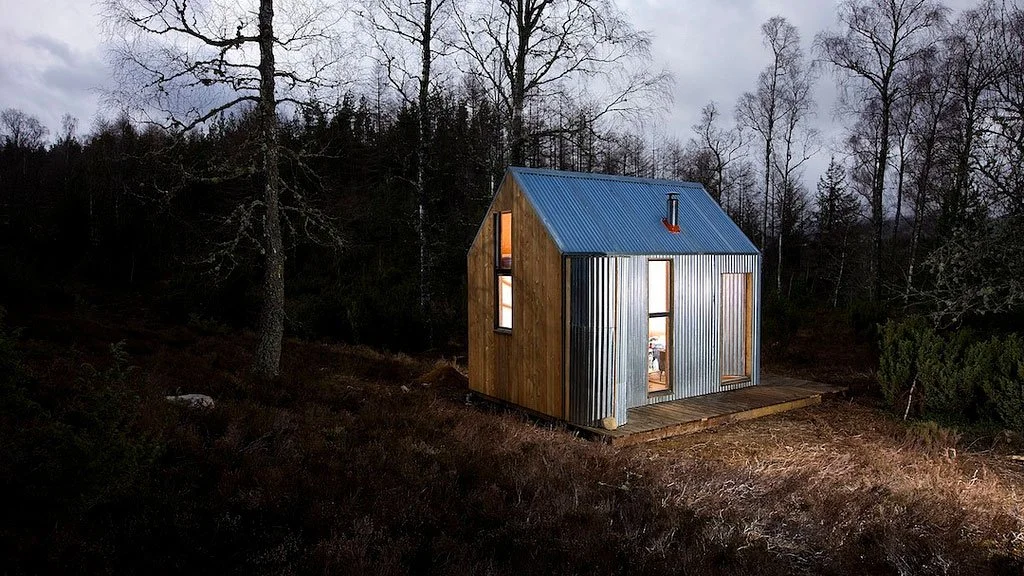
Inshirach Bothy — Cairngorms, Scotland
How alone?
Secluded, but not remote. The bothy is off-grid and tucked away in woodland, but it's on a farm and relatively close to the other buildings. Canopy & Stars actually says it's “just round the corner from the other spaces”.
Originally conceived as an artists residency space, but now available year round.
Power: None; small solar system provides limited lighting/charging.
Water: No mains water; bring drinking water with you.
Phone: Good reception for most providers except Vodafone.
Wi-Fi: No Wi-Fi at the bothy; available back at the farm.
Supplies: Bring your own food; shops are in Aviemore/Kincraig.
Access: Wheelbarrow provided for luggage.
Amenities: A woodburning stove with a hot plate and oven. All bedding and towels provided.
Photography: Inshriach Estate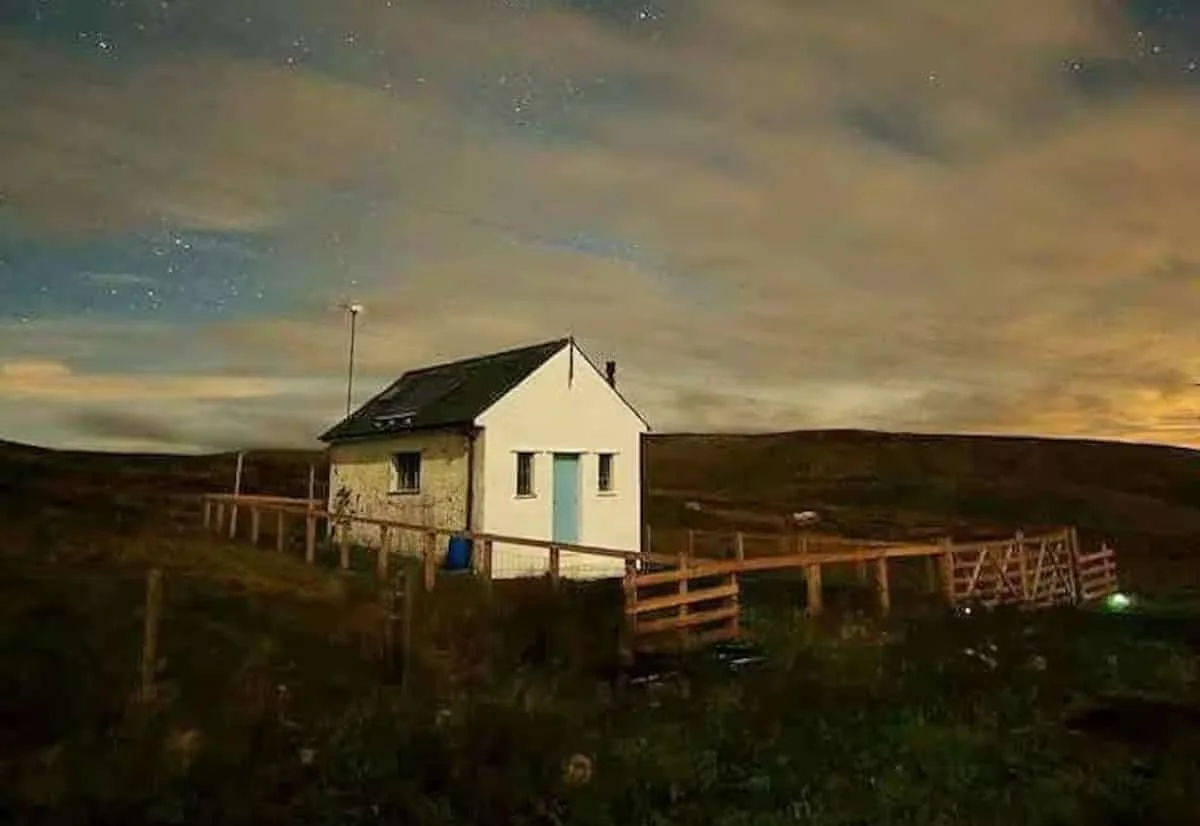
Shap Fell Bothy — Lake District National Park, England
How alone?
Secluded, but not remote. The owners say no houses or neighbours for miles, with the nearest house about a mile away and Shap village about six miles away. But it's right beside the A6. The road can be busy in the morning, although it becomes quiet at night.
The bothy lies in the eastern Lake District, converted to a camping barn from an old telephone repeater station. The landscape is bare high moorland, with no trees nearby. Upstairs a cosy sleeping area with a roof-window for star-gazing.
Power: Off-grid; wind/solar for basic power.
Water: No running water; supplies provided for stays up to three nights.
Phone: Great phone signal. Low-use charging available.
Wi-Fi: None.
Supplies: Shap, six miles.
Access: Easy by car — literally beside the A6.
Amenities: Wood burning stove & cooking facilities. There is a washroom in the building, and toilet facilities consist of a Portaloo chemical toilet cubicle outside.
Photography: Shap Fell Bothy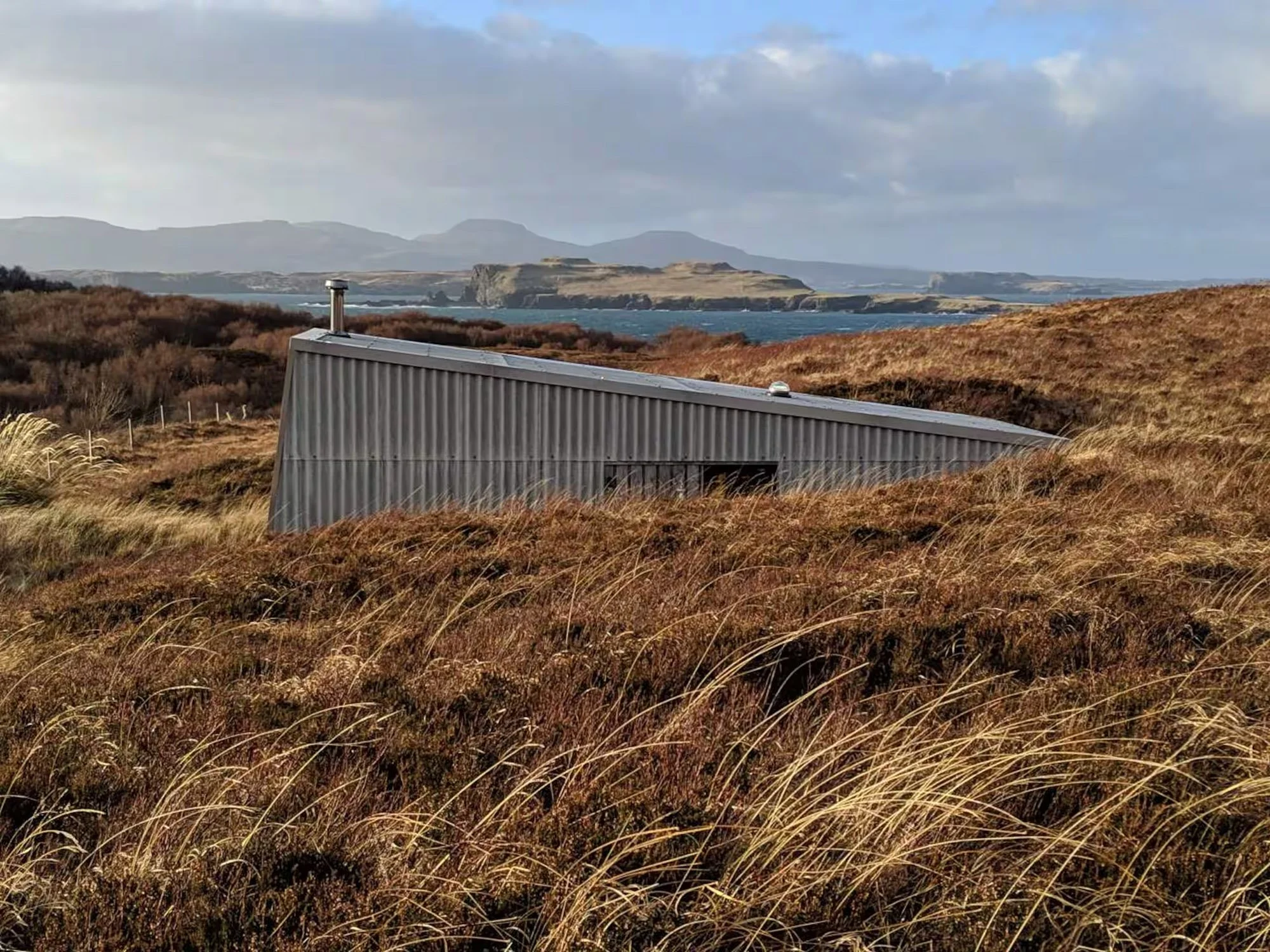
Studio Fiskavaig — Isle of Skye, Scotland
How alone?
Secluded not remote. A small architect-designed studio in a private spot overlooking the landscape around Loch Bracadale. You can walk directly from the door to the beach, sea cliffs and birch woods. The owner lives nearby but the studio itself is private.
Designed by award-winning architects Rural Design, The Studio is a beautifully considered little building with very low energy and water requirements. Inside, there is a wood-burning stove, a kingsize cabin bed and a compact kitchen and bathroom.
Power: Electricity.
Water: Low-consumption system.
Phone: Not specified.
Wi-Fi: Fast fibre broadband.
Supplies: Shops and other facilities in Carbost.
Access: Car recommended; the studio is close to Carbost and provides direct access to the surrounding landscape.
Amenities: Wood-burning stove, kitchen, bathroom, waterless loo, Wi-Fi.
Photography: Studio Fiskavaig 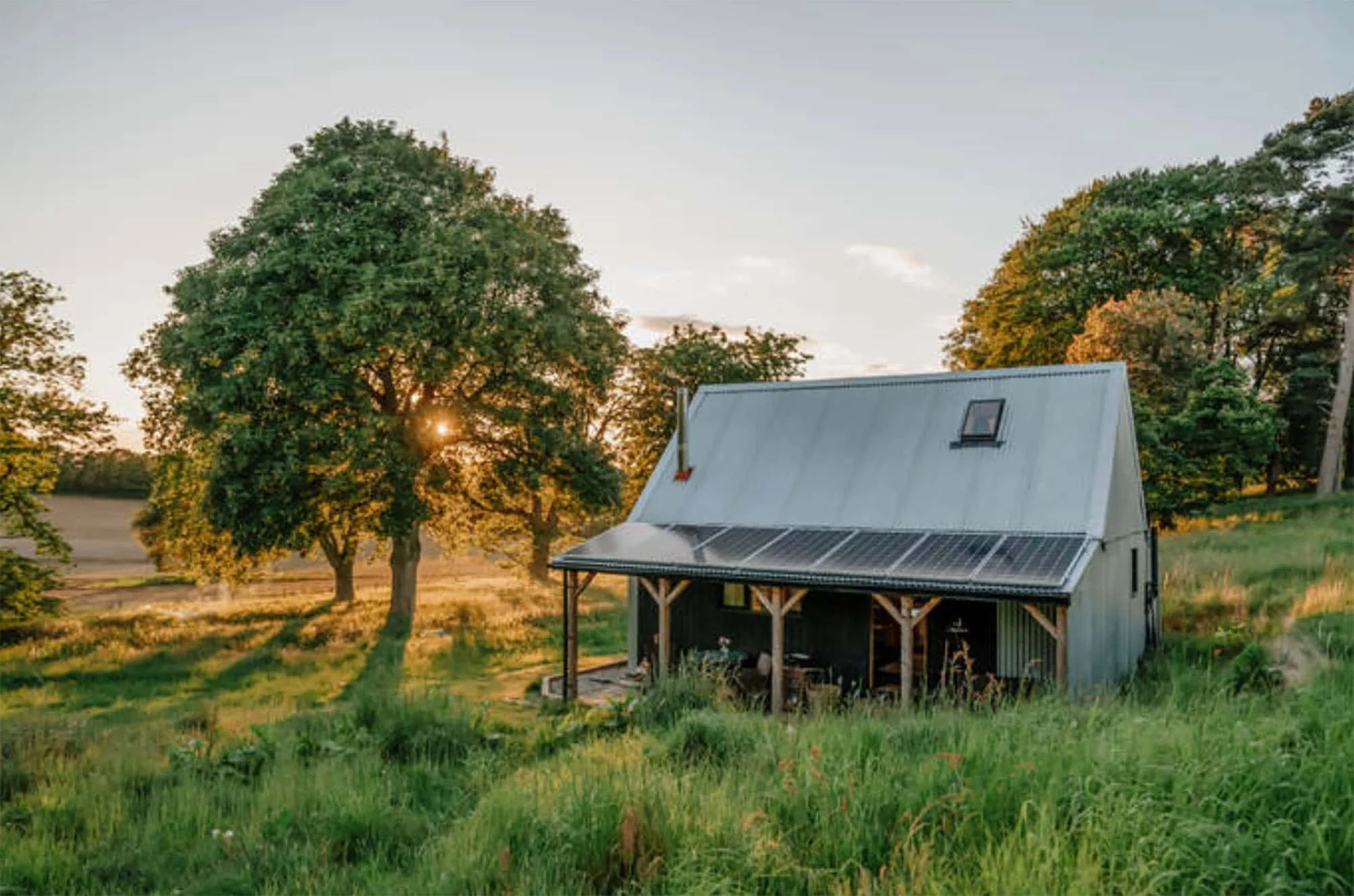
Paraty's Bothy — Shropshire, England
How alone?
Secluded not remote. Nearest neighbours are 500m away. Although recent guests report not seeing any people at all. The owners describe it as only a few miles from Bridgnorth, so this is seclusion rather than geographical remoteness.
The bothy is rustic and off-grid, set on the edge of private woods, with walks in the nearby Shropshire hills. Rustic interior with colourful Brazilian flair on the inside. From November - April the land surrounding the bothy are full of sheep with them often feeding close to the bothy
Power: The bothy is off-grid so both electric and water usage is limited
Water: No mains water. Water needs to be transported in here for each stay.
Phone/Wi-Fi: Mobile phone signal. No Wifi.
Supplies: Bridgnorth a few miles away.
Access: Specific directions are provided by the owners after booking.
Amenities: 4 ring gas hob and oven. Lighting powered by solar panels. Bed linen, towels and blankets provided. Firepit.
Photography: Paraty's Bothy All links are non‑affiliate.
These descriptions are provided as a guide. Please contact the individual properties to assess their suitability for you.
YOU MAY ALSO LIKE
The Cabin - A search for old-world quiet
Why You Should Stay Alone in a Cabin
KABN: Japanese Minimalism on the Shores of Loch Fyne