Books on Walking
Stories and essays on walking as good medicine
Hermann Hesse
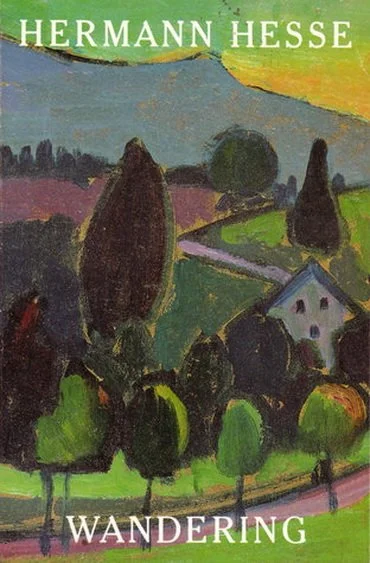
Hesse wanders Montagnola, a tiny mountain village in the Swiss Alps where he lived and wrote works like Siddhartha. It’s full of vignettes from Hesse’s walks such as ‘Trees’, ‘Lost’, ‘Rainy Weather’ and ‘Things Pass’. I love his simple watercolours, philosophical themes, and the sense of escaping into the natural world. This slim book is out of print, but worth tacking down for Hesse fans.
Robert MacFarlane
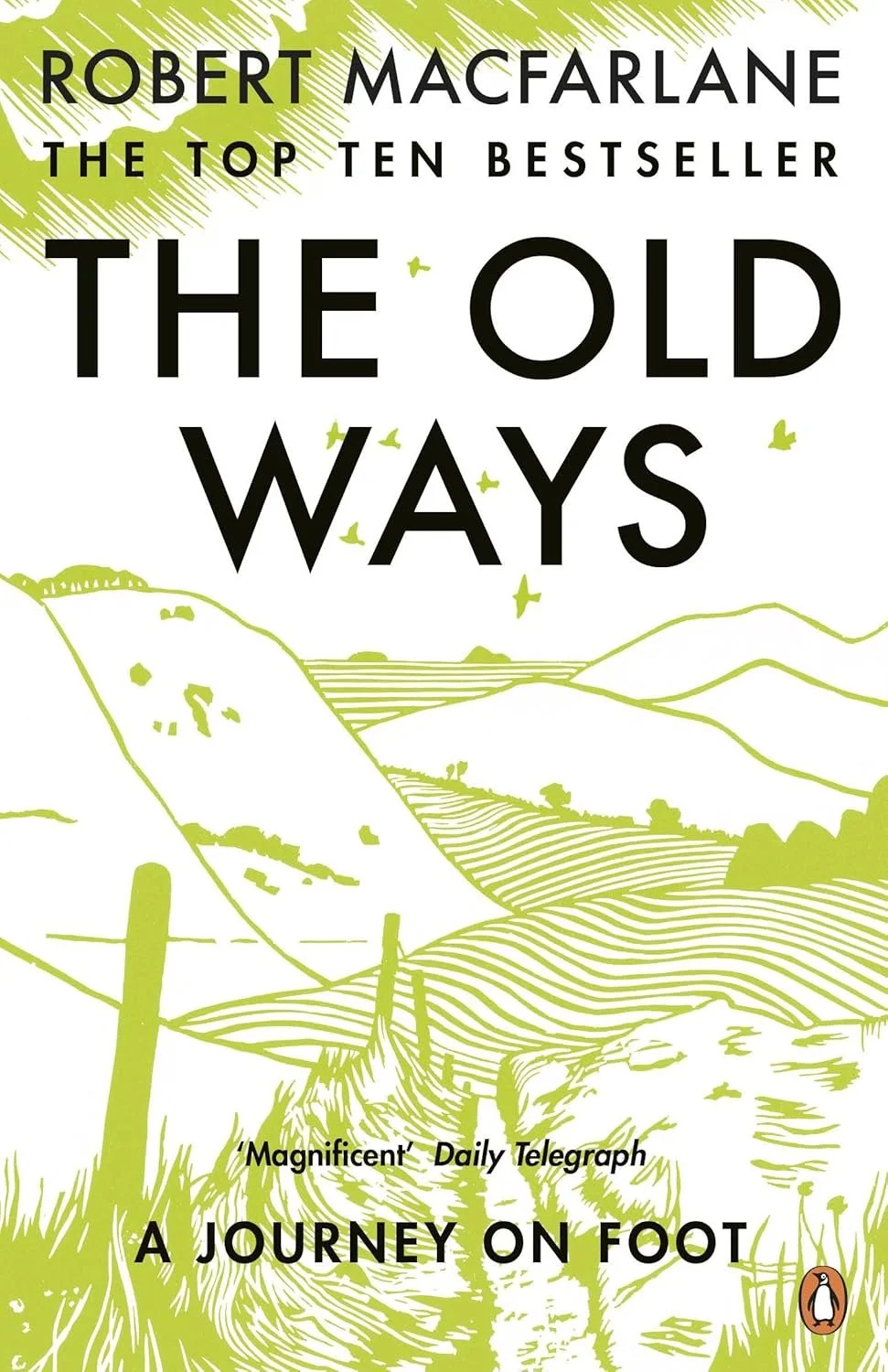
Walking for Macfarlane is as much a philosophical, inner journey as it is a physical and outward one. In this book follows the Old Ways: trails, tracks, holloways, drove roads, paths and causeways that humans have marked out on the planet. The Old Ways is a masterclass in immersive writing and the therapeutic value of walking. This book is part of a ‘trilogy about landscape and the human heart’. The other two being The Wild Places and Mountains of the Mind.
Simon Armitage
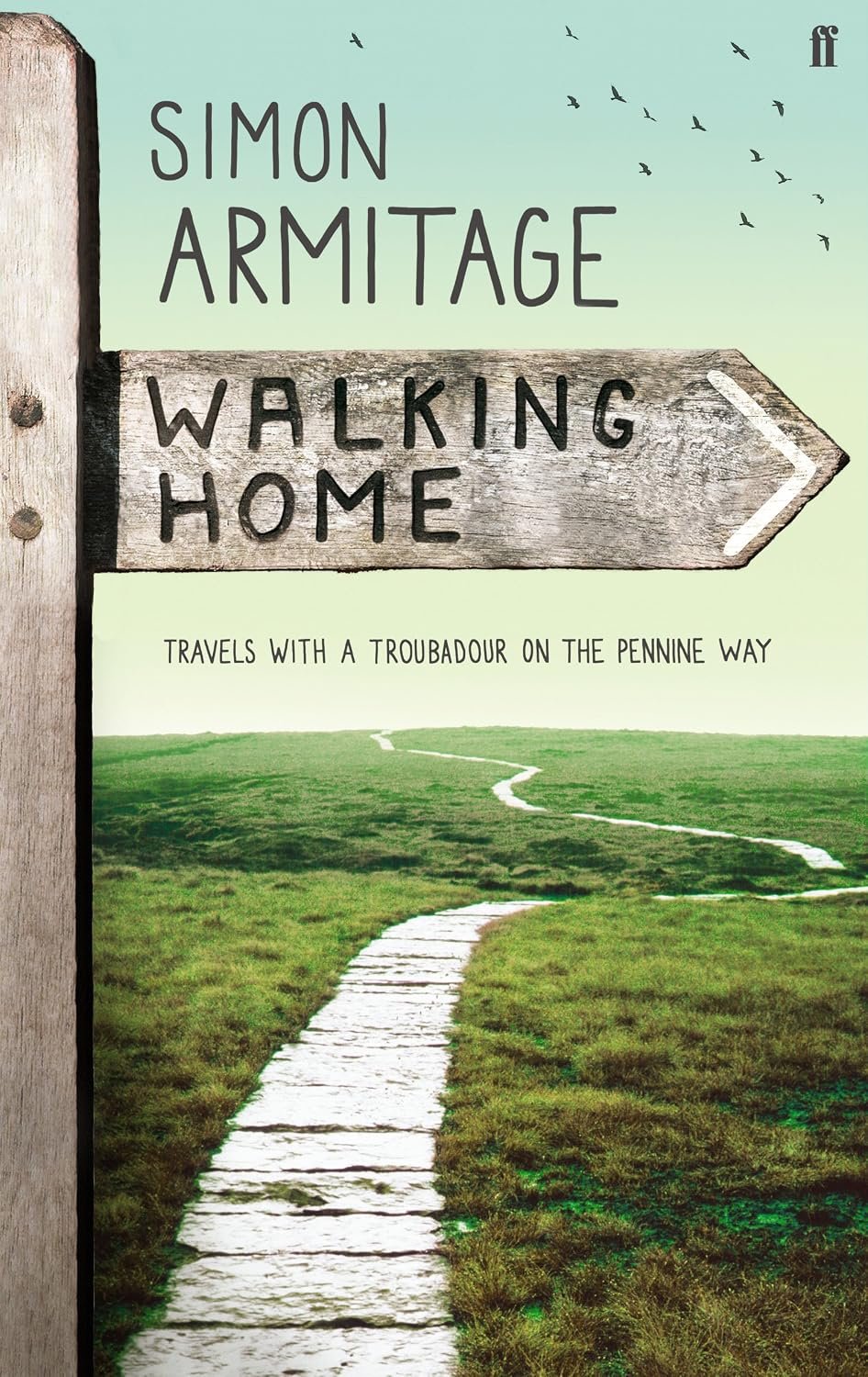
Walking Home is the comic alternative to the seriousness of ‘The Old Ways’. We follow Armitage’s journey of self discovery as he struggles to walk the ‘wrong way’ down the Pennine Way to get home to Marsden. In full knowledge that his mum walked the Pennine way in style when she was 50. Entertaining and good preparation for my own Pennine way North -South attempt.
Olivia Laing
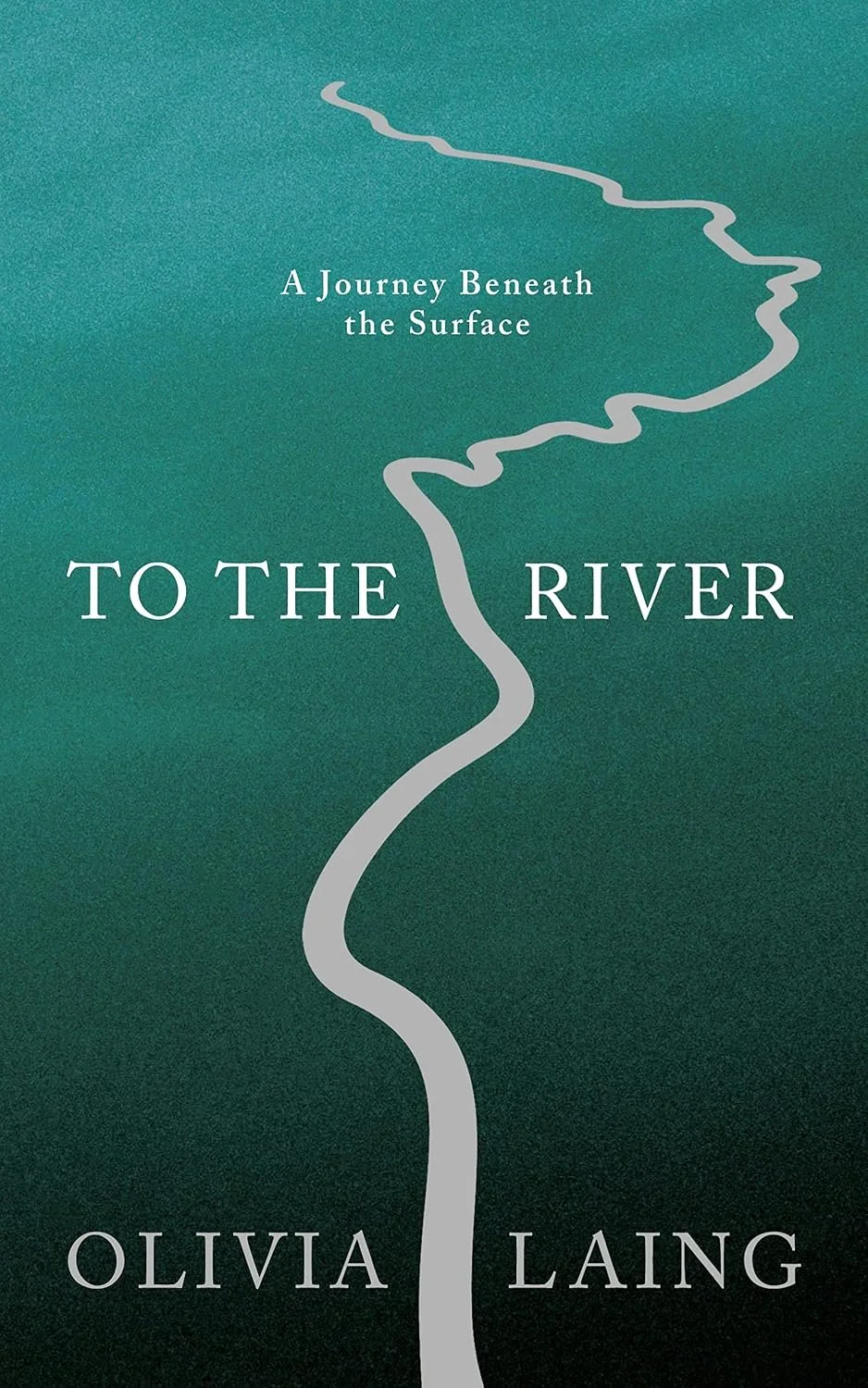
The debut memoir and nature-travel book by acclaimed author Olivia Laing. One midsummer week, Olivia Laing walked the length of the Ouse, the Sussex river in which Virginia Woolf drowned in 1941. The book begins after a failed relationship but is more than a ‘blisters and personal discovery’ book. Laing’s Odyssey meanders through history, mythology, geology, literature, and the roles rivers play in human lives. The passages about Virginia Woolf are fascinating.
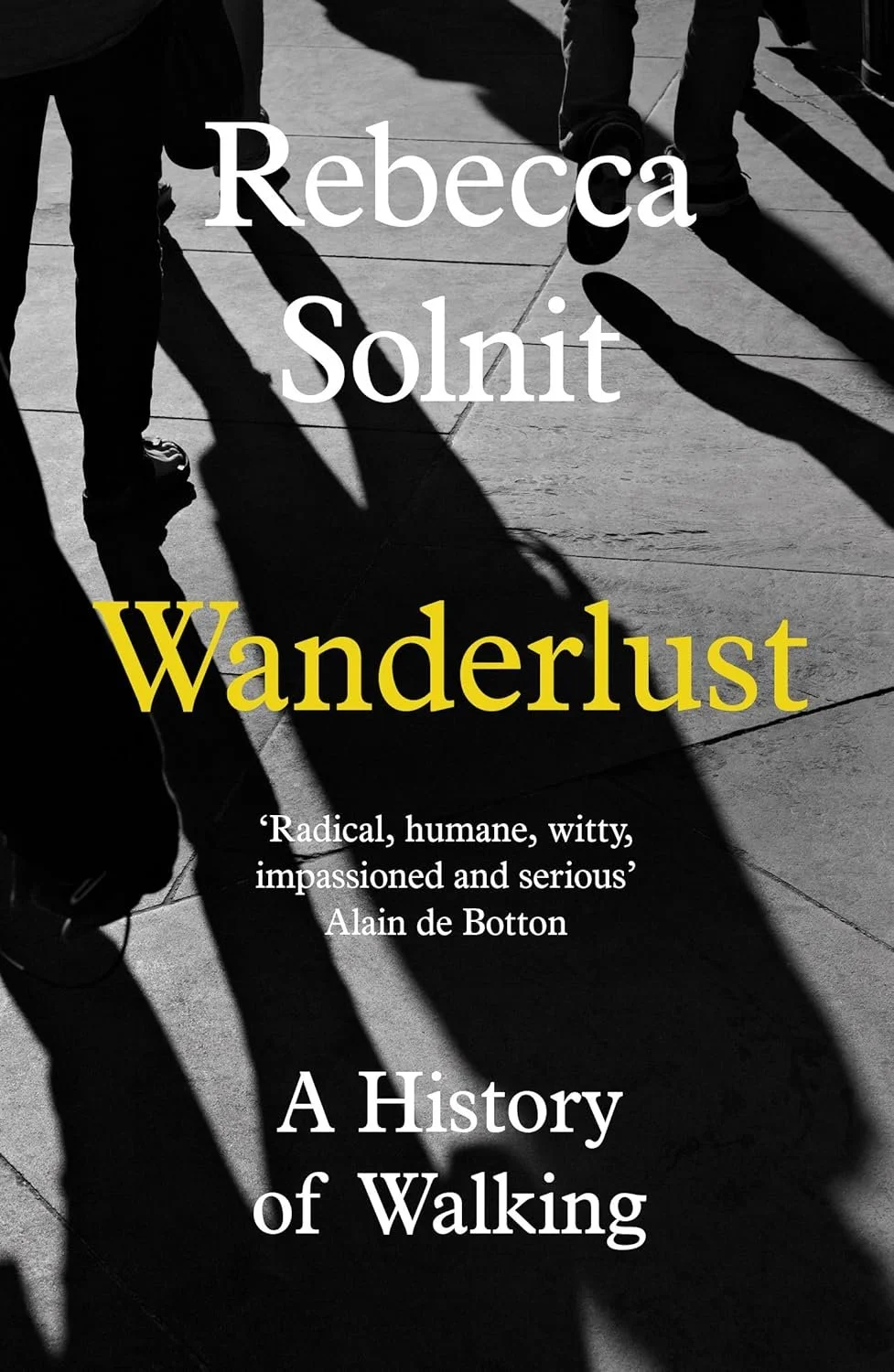
Rebecca Solnit
Wanderlust is Solnit’s broad and rambling scholarship on the history of walking, and how it relates to thinking and culture. Solnit is an erudite companion, so we walk alongside philosophers like Rousseau, Kierkegaard, and writers such as Wordsworth. She does wander off into urban planning history and politics though. Which I skipped.
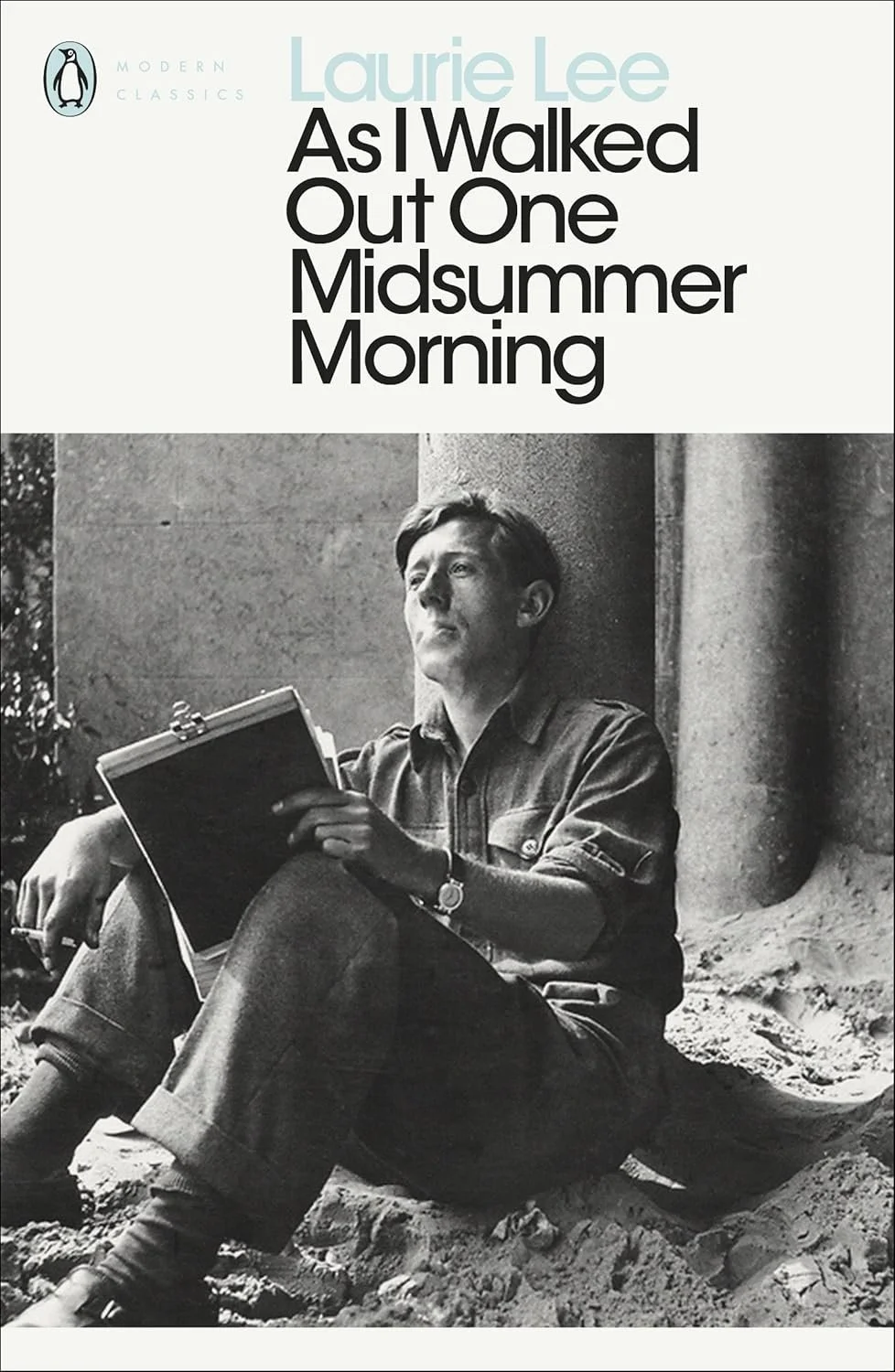
Laurie Lee
This book is a cherished favourite of many. Leaving the Cotswolds village that raised him, Laurie Lee walks to the southern tip of Spain, at the age of 19. A good read for anyone intending to walk the Camino, as Lee evokes the vitality of the Spanish spirit. His obituary in the Guardian newspaper said “He had a nightingale inside him, a capacity for sensuous, lyrical precision'.
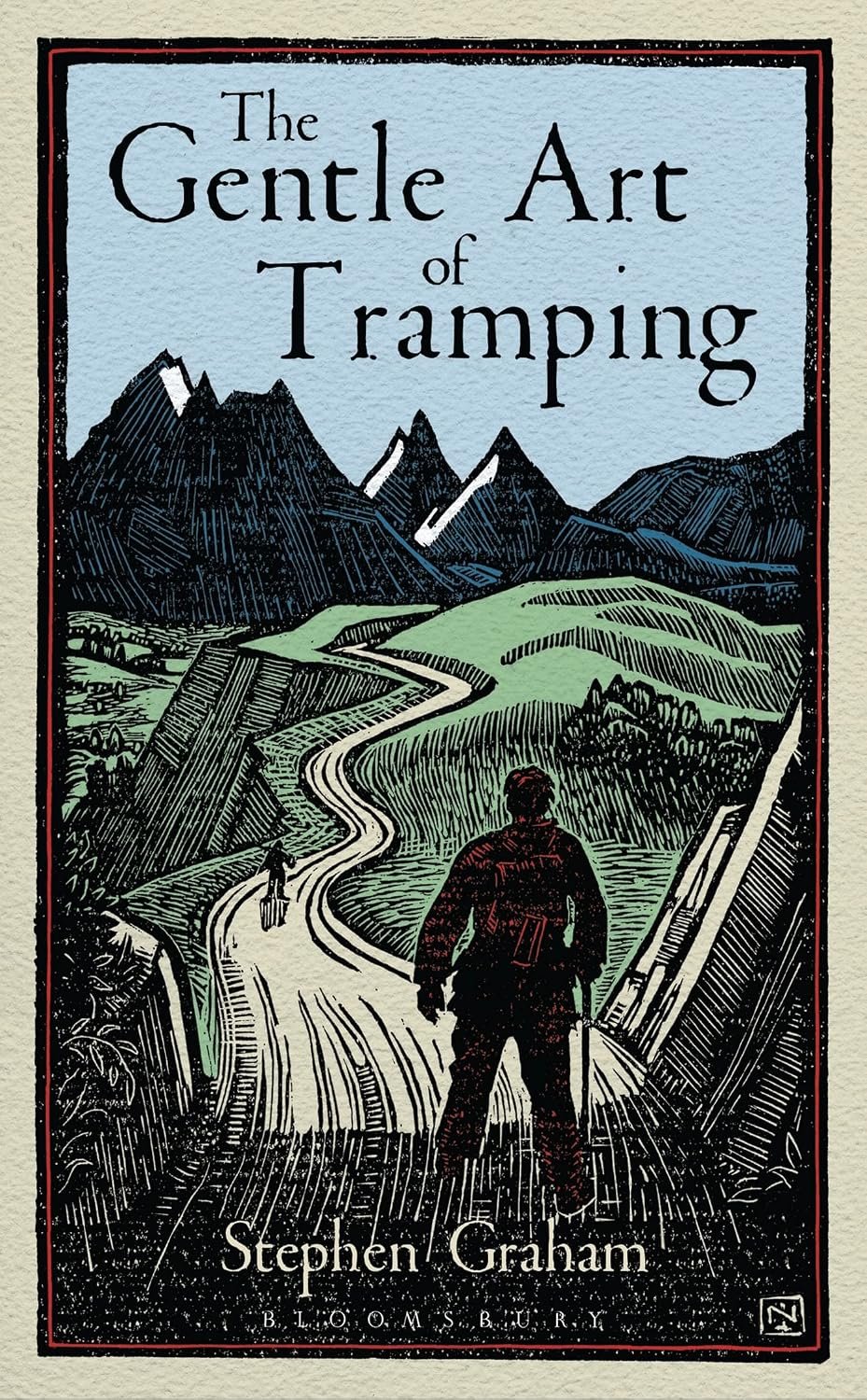
Stephen Graham
It seems that Stephen Graham invented mindful walking a century before it became fashionable. This ‘lost’ classic from 1926, This gentle book has some relevant reflections on stepping off the beaten path, appreciating nature, and staying in the present. While the chapters on scrounging and the art of idleness raise a smile. It’s a balm for modern souls from a bygone age.
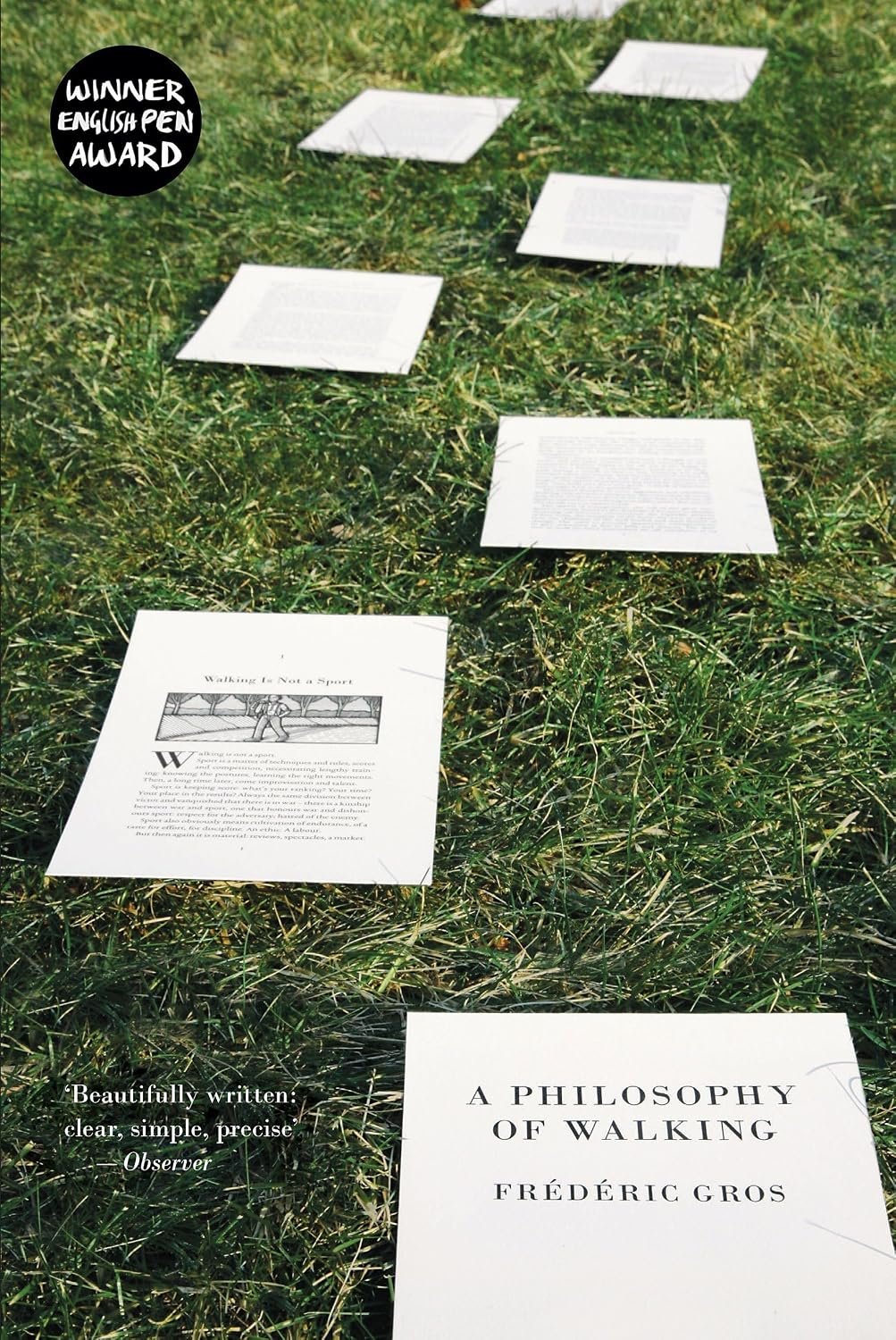
Frederic Gros
A grand book about ideas that come to great people on foot - Kant, Nietzsche, Thoreau, Kierkegaard - full of quotes “By walking, you escape from the very idea of identity, the temptation to be someone, to have a name and a history”. A Philosophy of Walking, a bestseller in France, is a serious study to be dipped into over the years, full of insight and learning, but with some fun moments too.
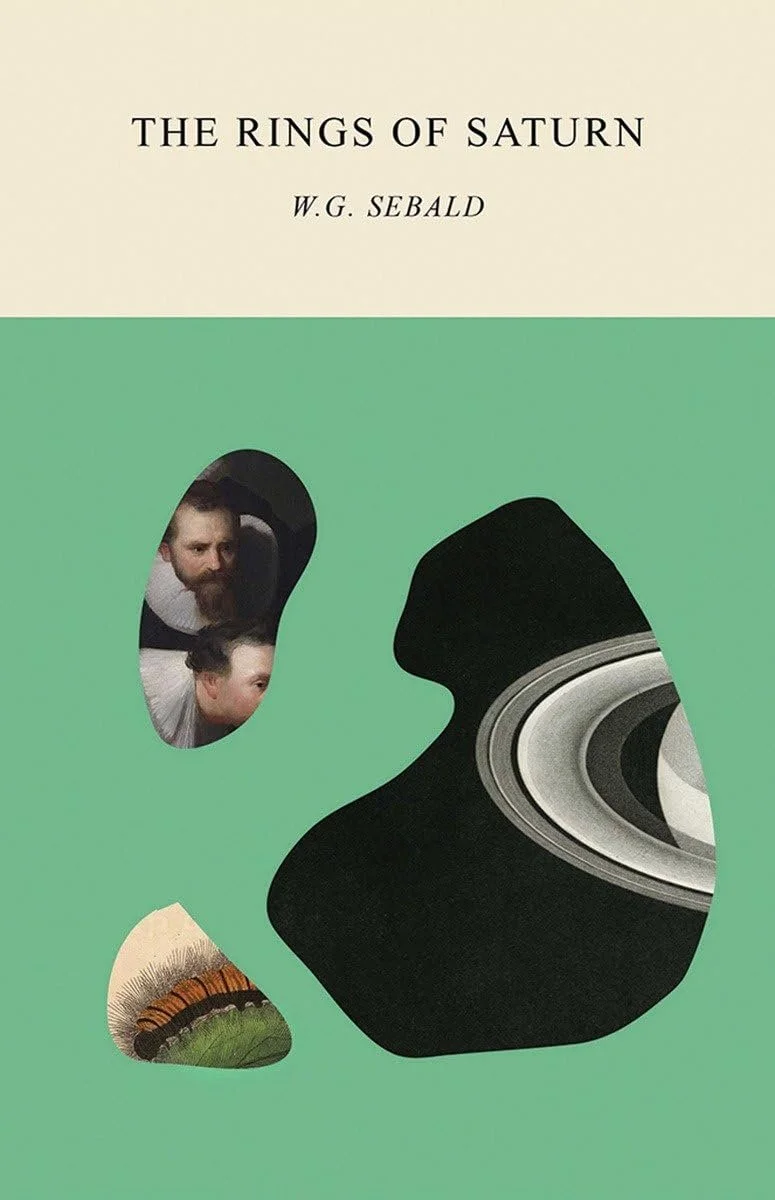
W. G . Sebald
Sebald takes a walk along the Suffolk coast and expands it into a sweeping meditation on and cultures past and present: Thomas Browne's skull, a matchstick model of the Temple of Jerusalem, Herring fishing, recession-hit seaside towns, and Joseph Conrad. His use of photography is revolutionary and much studied. This daring hybrid of fiction and non-fiction has influenced many writers that came after it.
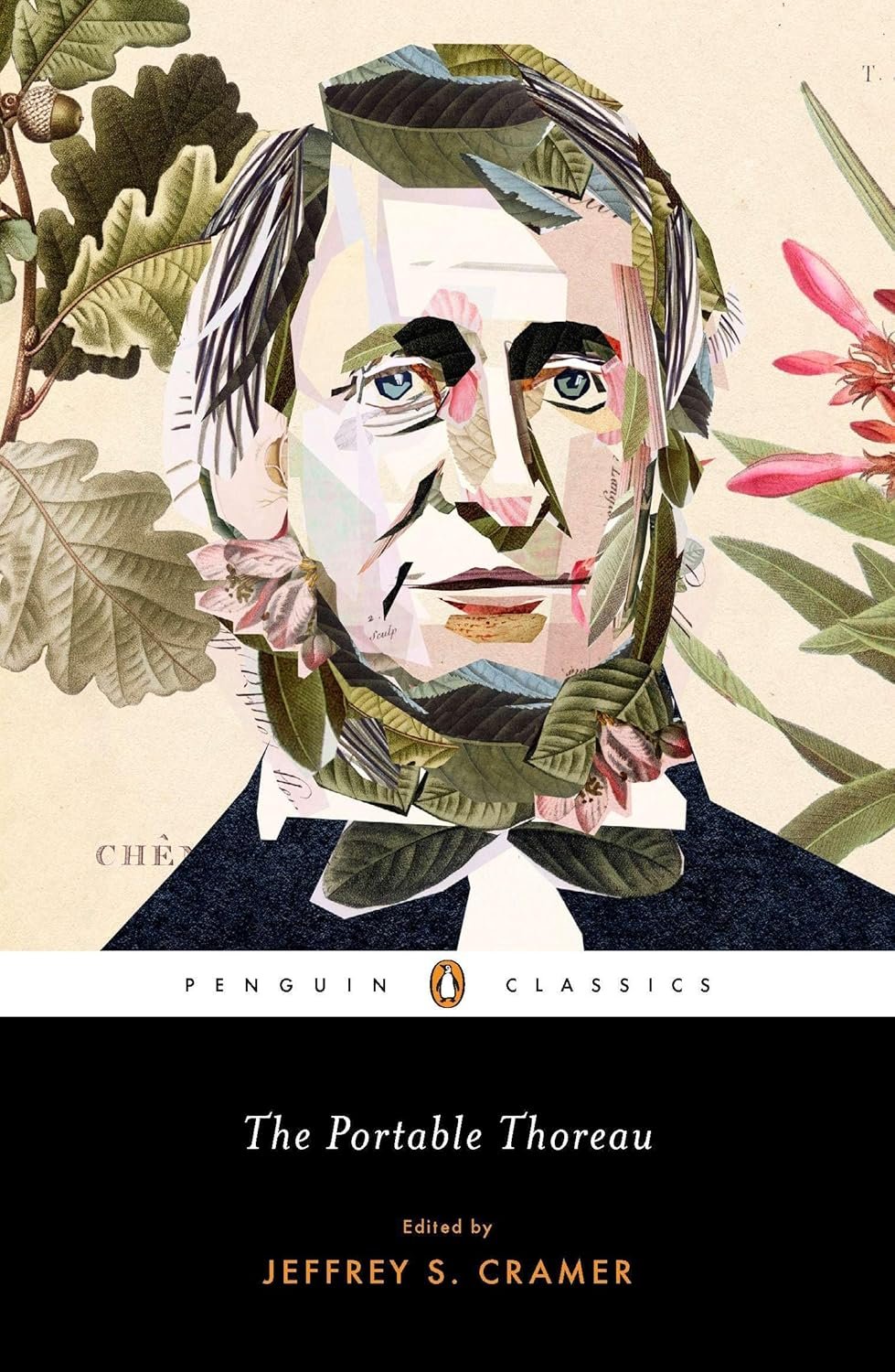
Henry David Thoreau
Thoreau will teach you to master the art of sauntering, through the woods and over the hills and fields, free from all worldly engagement. He will advise that sauntering should be about presence rather than productivity: “What business have I in the woods, if I am thinking of something out of the woods?” How could a man who lived in a forest cabin in the middle of the 19th century have such staggering insight into our modern cult of busyness?
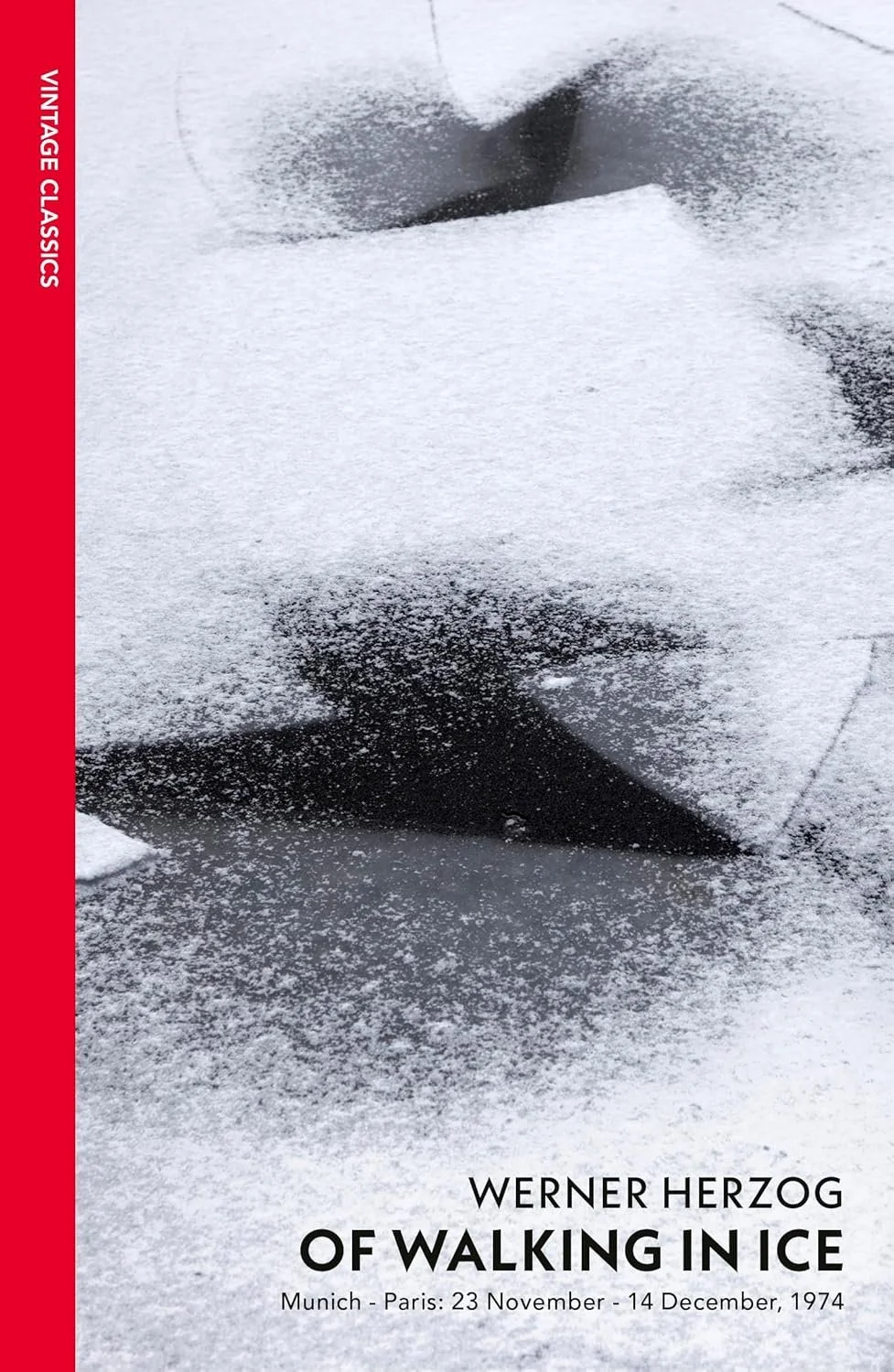
Werner Herzog
A slender book as rich as any of Herzog’s films. In November 1974, upon learning that his friend, film historian Lotte Eisner, was gravely ill in Paris, Herzog set off to walk an icy 500 miles in full faith that she would stay alive if he came on foot. Of Walking in Ice is about the (absurdist?) belief that a physical act of endurance can alter destiny. Pure Herzog: in print.
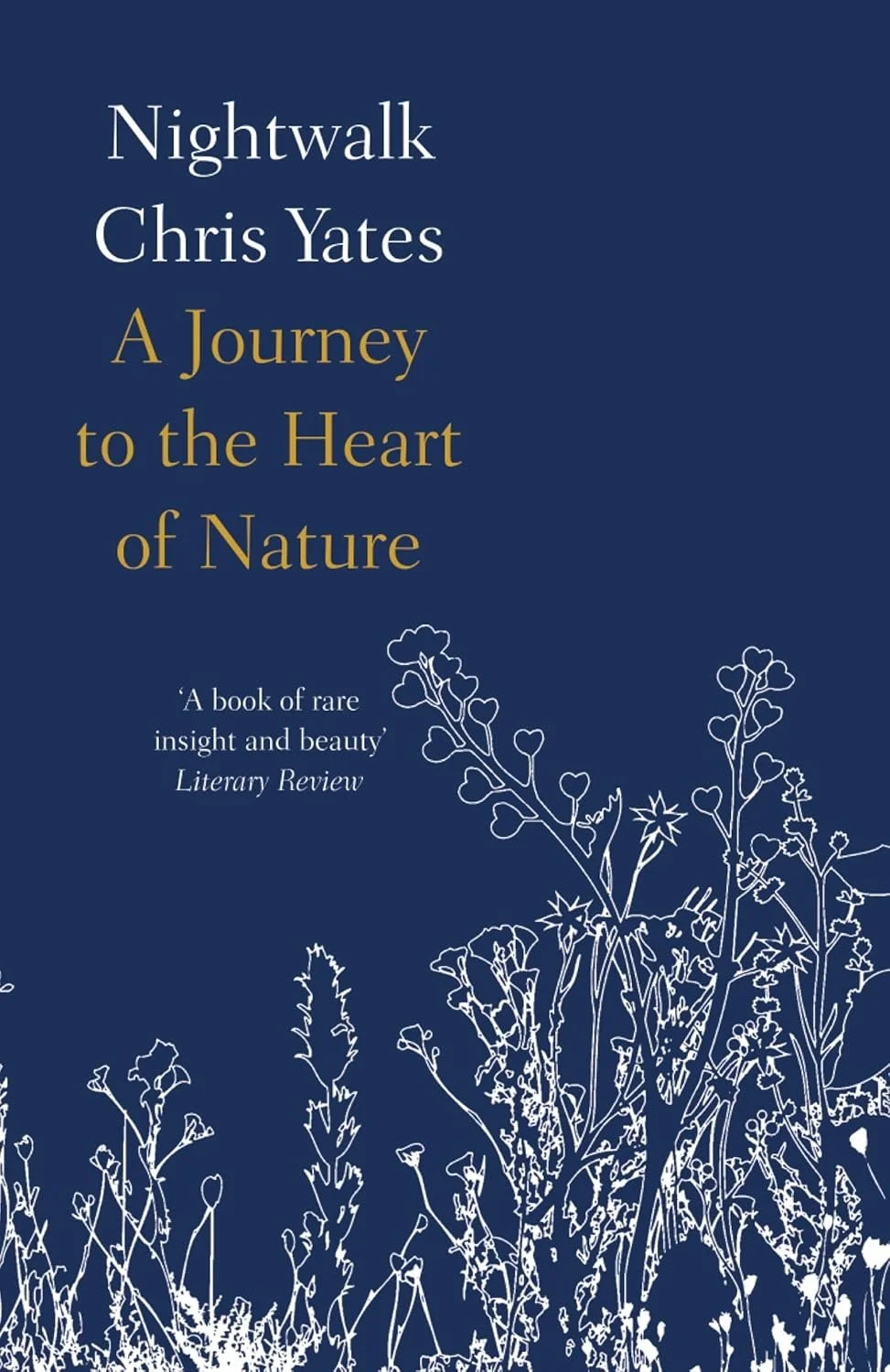
Chris Yates
Like most people, I walk in the day, so this book took me by surprise. Chris Yates takes us on a simple stroll that begins in the evening and ends at sunrise. He walks without torch or schedule, reflecting on his childhood and the encounters with wildlife in their habitats at night. His lyrical writing draws us into a magical journey on England’s North Downs. This is a short and gentle book that can be read in one sitting.
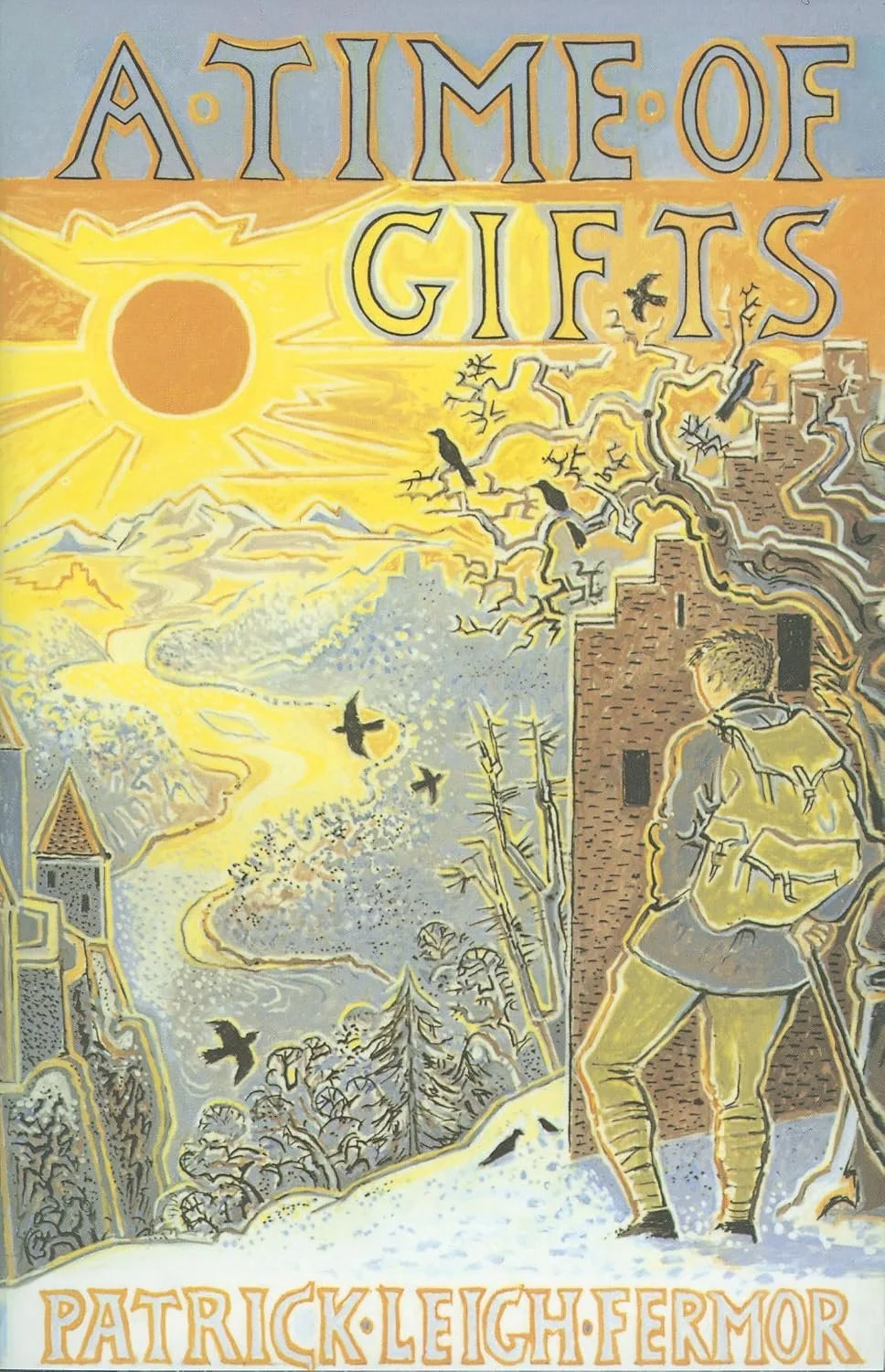
Patrick Leigh Fermour
This book is often held up as a classic of travel writing. Set in 1933, this is the first of a trilogy that follows the author on a huge European walking tour. The writing is ornate and the prose dazzling. Though for fans of Hemingway, it can appear overwritten. A Time of Gifts was not published until 1977 when the author was sixty-two years old, which explains its intellectual heft and its wisdom. The book is an incredible feat of recall.
Lastly, The Out of Eden Walk, not a book but one hell of a journey. An odyssey in slow journalism as Paul Salopek’s walks 42,000-kilometres across the globe for National Geographic Magazine.
All links are non‑affiliate.