Why You Should Stay Alone in a Cabin
What happens when you spend time alone in nature?
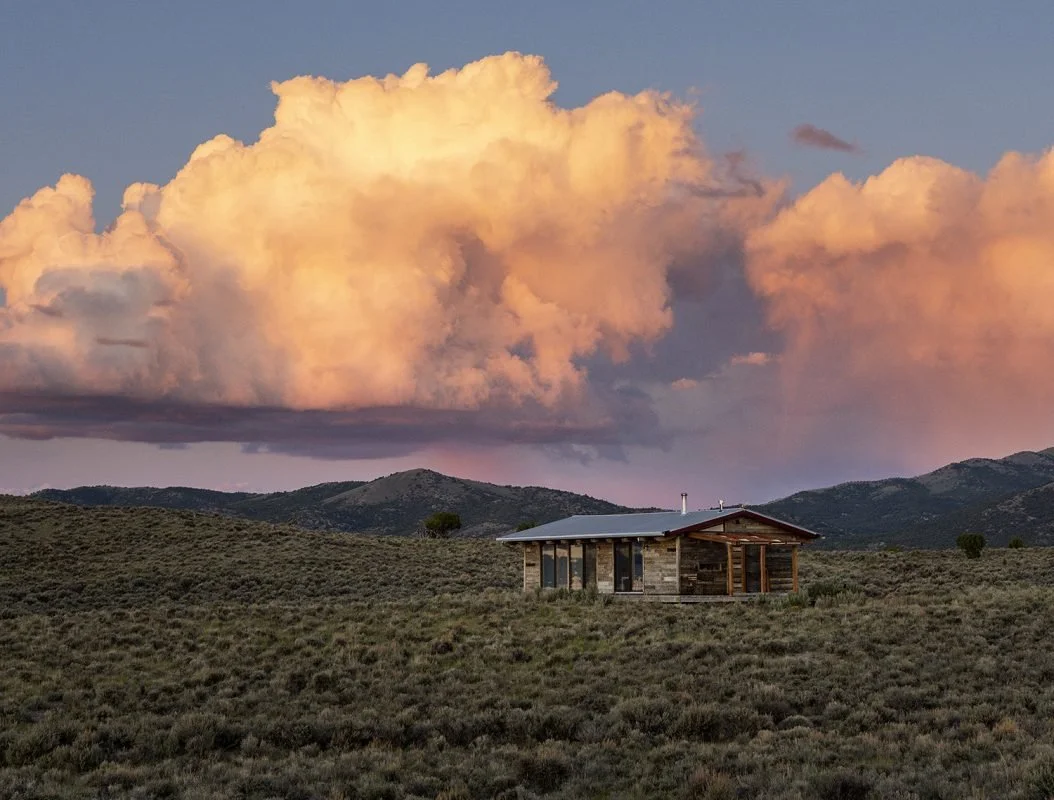
Image courtesy of the Montello Foundation
“We have forgotten how to be good guests, how to walk lightly on the earth as its other creatures do” - Barbara Ward
I’m sure you’ve had dreams of chucking it all in and living the simple life in a cabin in the woods. A yearning to experience the pastoral life of a bygone age. Chop logs. Light fire. Read by candlelight. I know I have.
Maybe you’ve seen images of women in shawls cradling tin mugs of steaming coffee by cabins on instagram.
Perhaps you’ve heard about solitude being the ‘new luxury’, browsed books that help you cut down on your screen time, or read about how to unplug on holiday.
You might have read some nature writing: the epiphany of watching a caterpillar crawl on a rock, the lone enraptured male telling you what a mountain taught him. Maybe you have some ‘Cabin Porn’ on your coffee table.
Perhaps you’ve embraced the trend for wild swimming, bought a dry robe, and dipped your body into the depths of a river as balm for the soul.
You may have been tempted to take a ‘hush-cation’, to ‘re-wild’ yourself on a forest bathing session, or to have your phone locked in a box on a ‘digital detox’ retreat.
To skewer any of this would be to miss the point entirely. Because all of this is human noise, and too much of it can muddle our minds.
Beneath all this lies something very simple and very old. Something that is always available despite all our technology. The remote cabin, bothy, or cottage is a good way to access it.
At a cabin in nature, life feels stripped back to the marrow: with no phone signal, no need to be productive and nowhere else you have to be.
Don’t make it a retreat. Don’t give yourself a programme. Don’t call it anything. Don’t expect to find yourself, heal yourself or reconnect with anything.
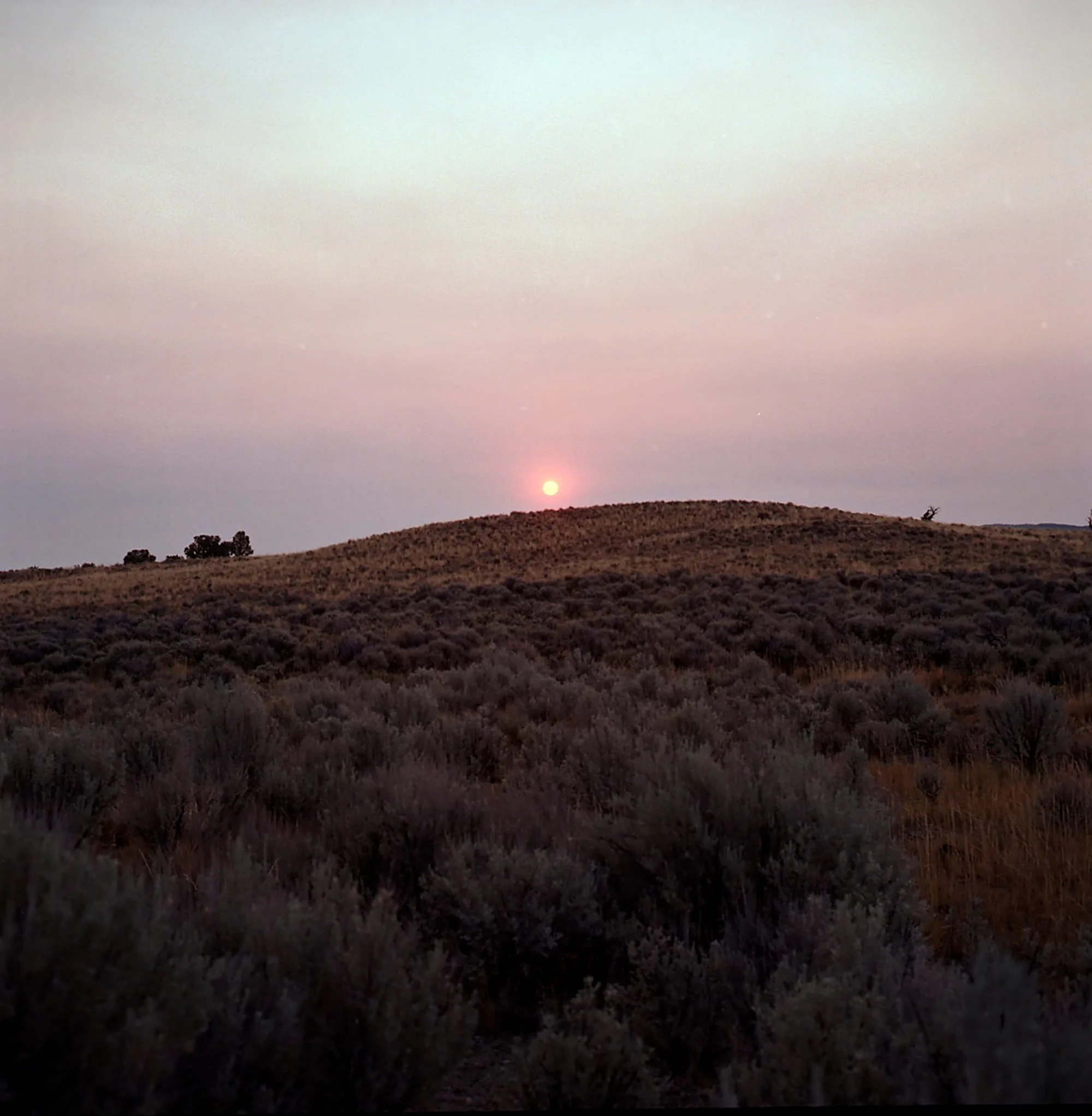
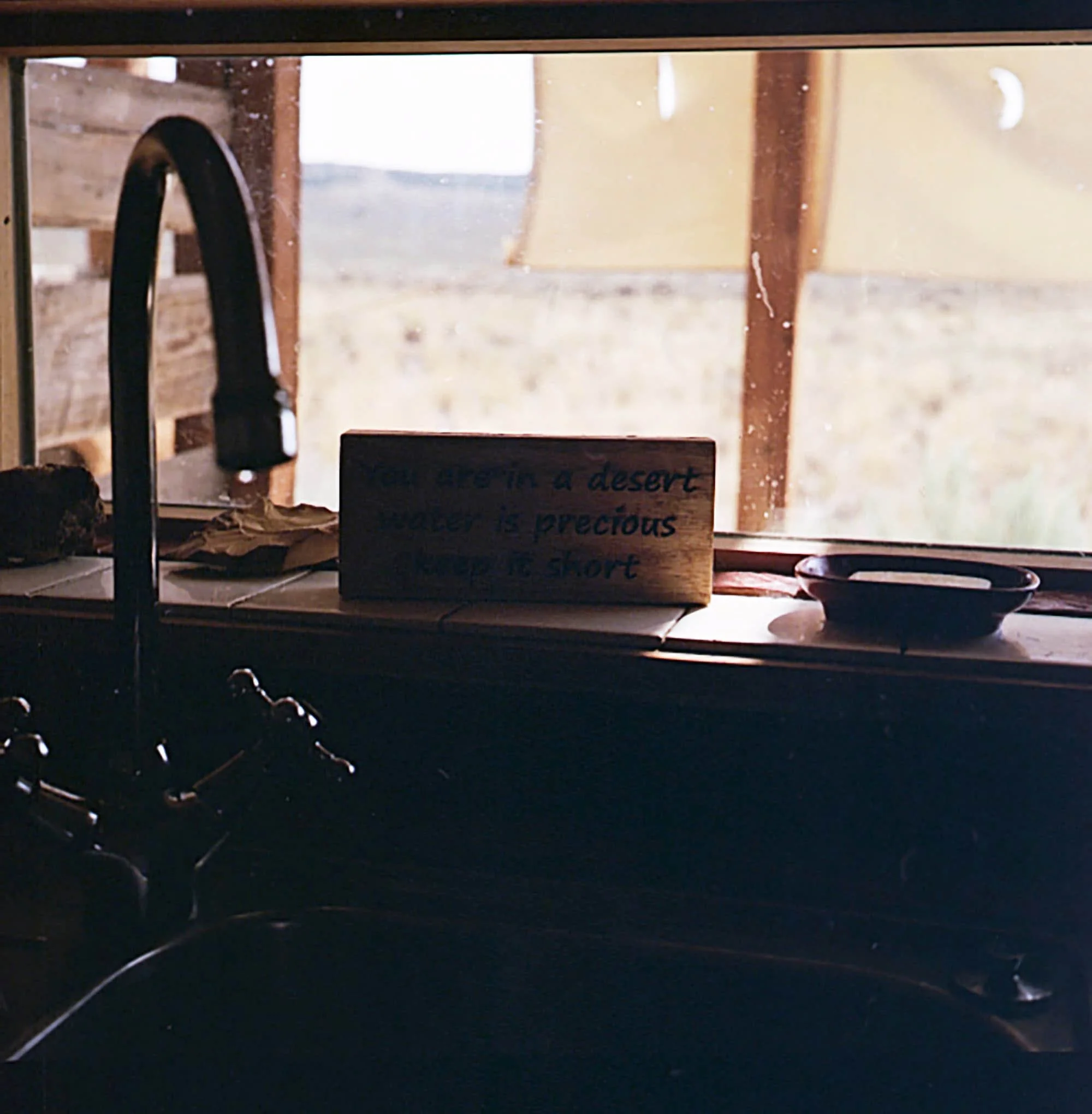
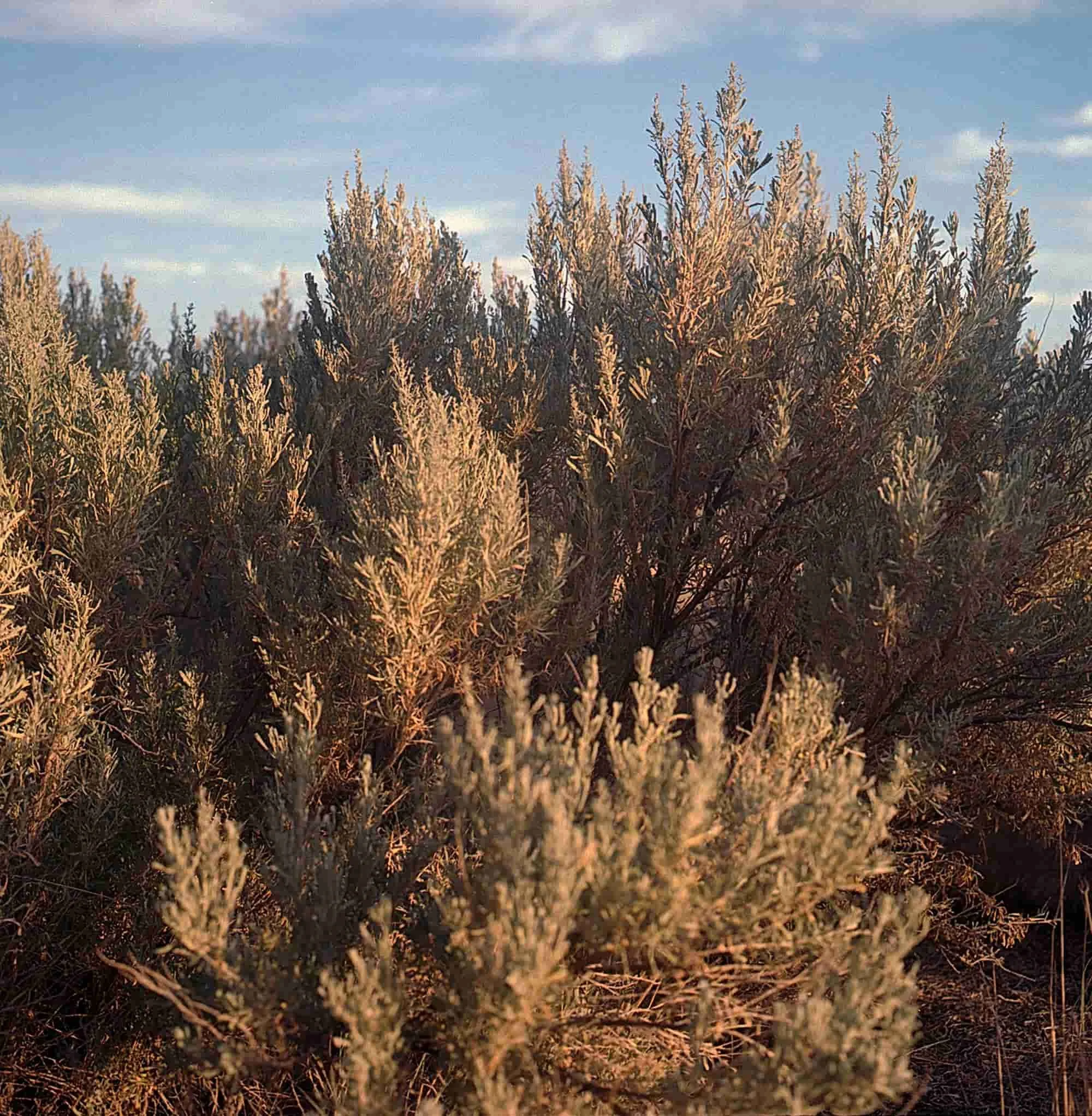
At a cabin there is something else.
You meet yourself, in a way that you don’t meet yourself in normal life. You can watch your mind un-muddle. Stay for long enough and your emotions will become heightened.
You might imagine that being alone in a cabin provokes introspection, but the opposite is true. You forget yourself and your focus shifts outward — to the trees, the animals, the weather. You discover that you are not at the centre of things. Your cultural programming will start to slip, and you’ll notice chinks of reality you couldn’t see before.
Put it all down. Including this essay once you’ve read it.
Go to a cabin somewhere quiet, away from people, and stay there alone for a few days - or better, a few weeks. See what happens when you stop trying to make something happen.
This isn’t about becoming a better version of yourself. It is about becoming, for a little while, less concerned with yourself altogether.
Stack some wood. Light some candles. Put your feet up by the fireplace. For a while you will have the thing itself. Not someone else’s words for quiet, but the quiet itself.
You won’t come back with a philosophy, or a method. You may lament the lack of acheivement in your time away.
But back on an ordinary day, or a bad one, you will notice that some of the awareness is still there. That some of the quiet is still there, and you can draw on it.
All images were made using a Rolleiflex 3.5 camera and Kodak Gold film.