Wonders of Uzbekistan
Itinerary ideas for the ancient heart of the silk road
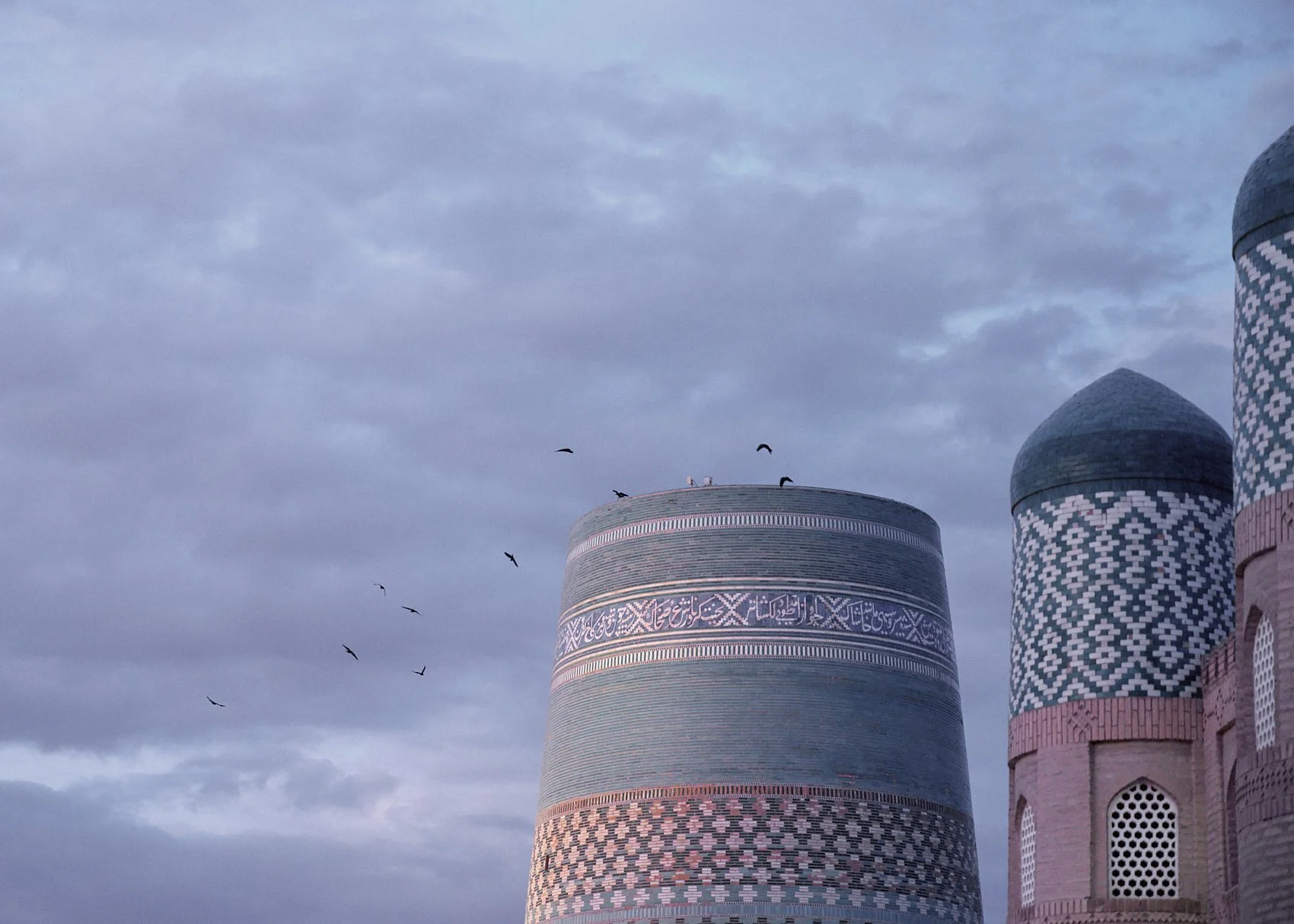
Itchan Kala, Khiva
Stay in Itchan Kala, the well preserved inner town of the old Khiva oasis, which was the resting-place of silk road caravans before crossing the desert to Iran. Wake up early to explore the city’s muslim architecture, and its atmospheric mud brick alleyways. Khiva is one of the best places to buy handicrafts (and at the best prices) from silk carpets to ikat fabric jackets.
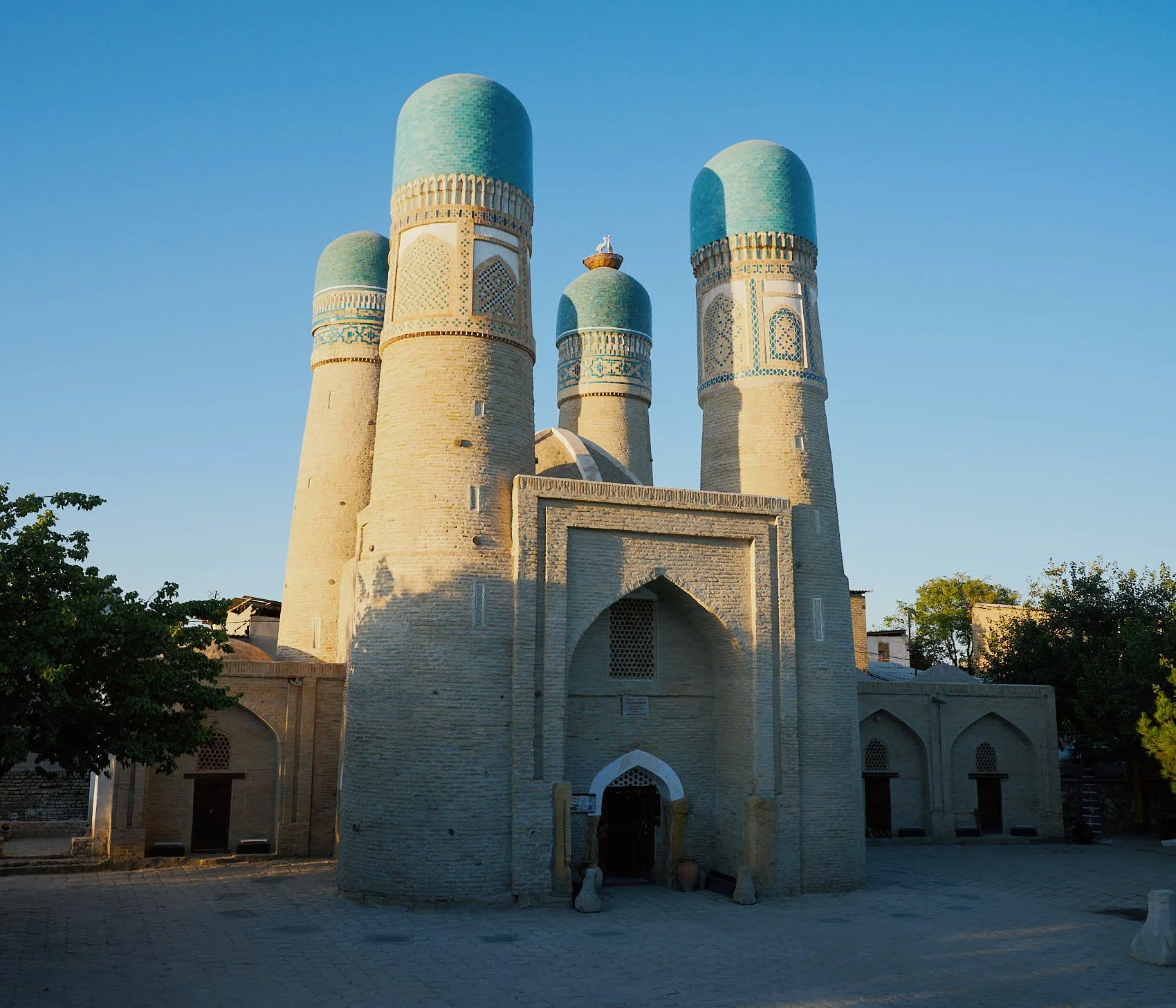
Chor Minor, Bukhara
Follow the backstreets northeast from the Old Town, and will come across Chor Minor, my favourite building in Bukhara. The Chor Minor (Four Minarets in Tajik) is a fanciful gatehouse for a madrassa that has disappeared. In old photographs, each tower hosts a Storks nest, long abandoned when the nearby ponds dried up. A plastic substitute can now be seen instead. Photogenic little Chor Minor bears more relation to Indian styles than to anything else in Bukhara. A pleasant place to sit with a drink away from the main tourist zones.
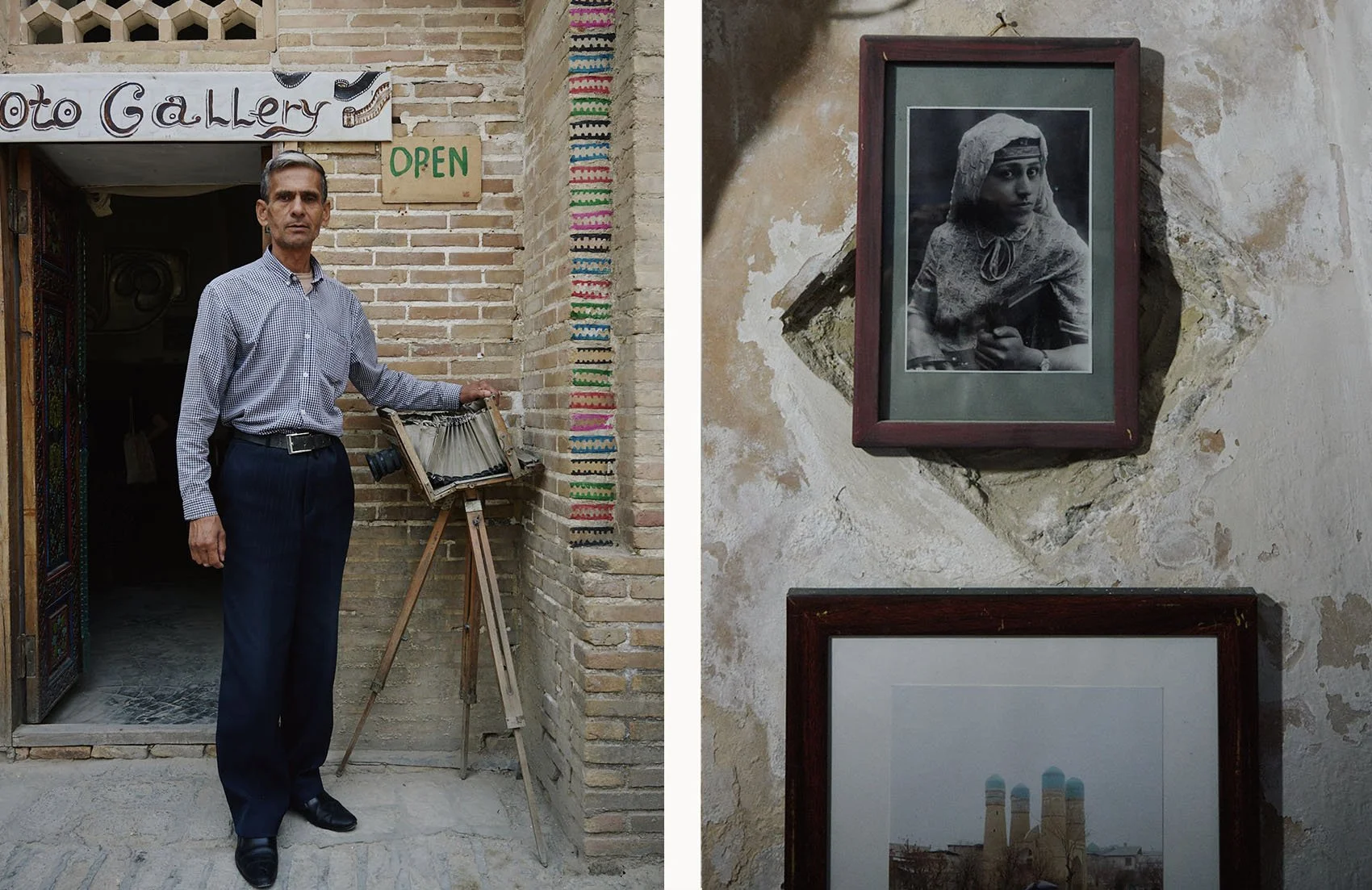
The Bukhara Photo Gallery
A legendary independent art space inside the atmospheric 19th-century Olimion Caravanserai. Founded by the late photographer Shavkat Boltaev (1957–2022)—the gallery serves as the premier archive of the city's changing traditions, streets, and disappearing cultures. A peaceful place to sip tea and browse the shops in the courtyard.
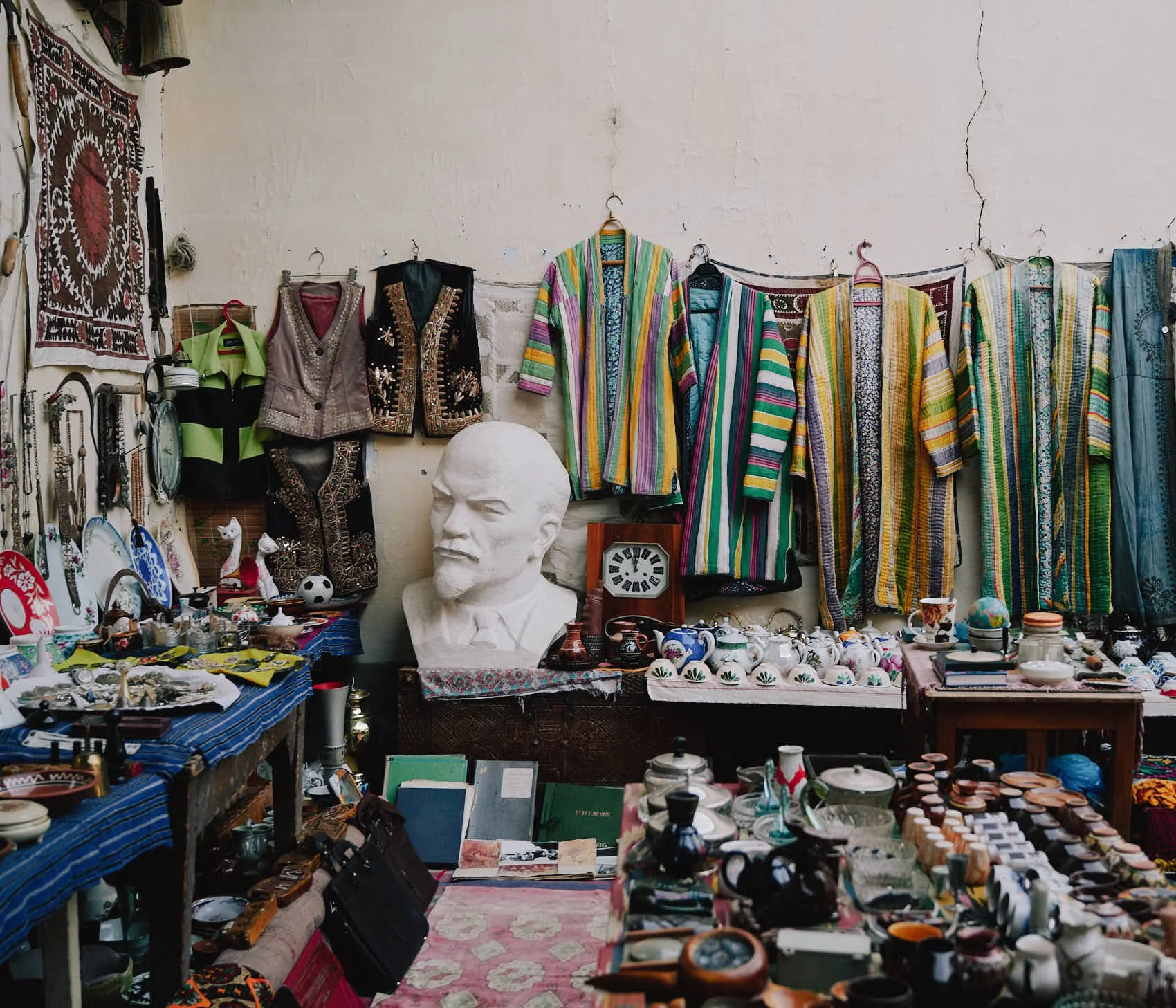
Junk shops and flea markets
Uzbekistan's junk shops and flea markets are a cultural crossroads. They are places where heavy Soviet-era military relics and vintage Russian gear collide directly with ancient Silk Road ikat fabrics, hand-woven suzanis, and copper crafts. Key places to find these relics and textiles are: Chorsu Bozor in Tashkent, Toqi Zargaron in Bukhara, and Haydar’s Antique Shop in Samarkand.
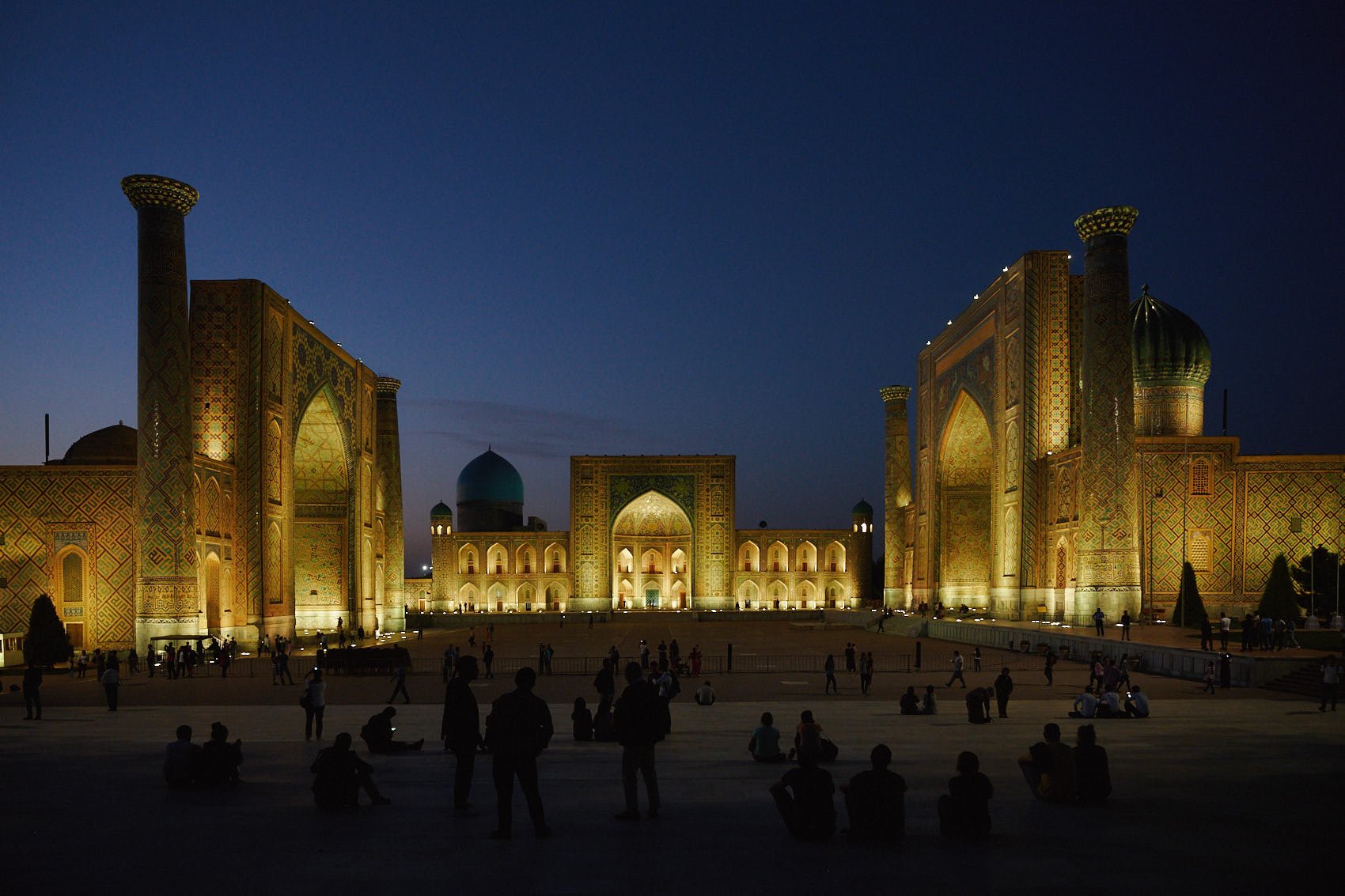
Registan Square, Samarkand
Tourists flock to Uzbekistan for its Silk Road architecture, with the most impressive being Samarkand. The famed Registan — once the place for Silk Road traders to rest and water their camels — is bounded on three sides by intricately tiled madrasas (Islamic schools) whose blue and gold tiles glimmer at dawn and dusk. There is no avoiding crowds here, but it’s an unmissable sight.
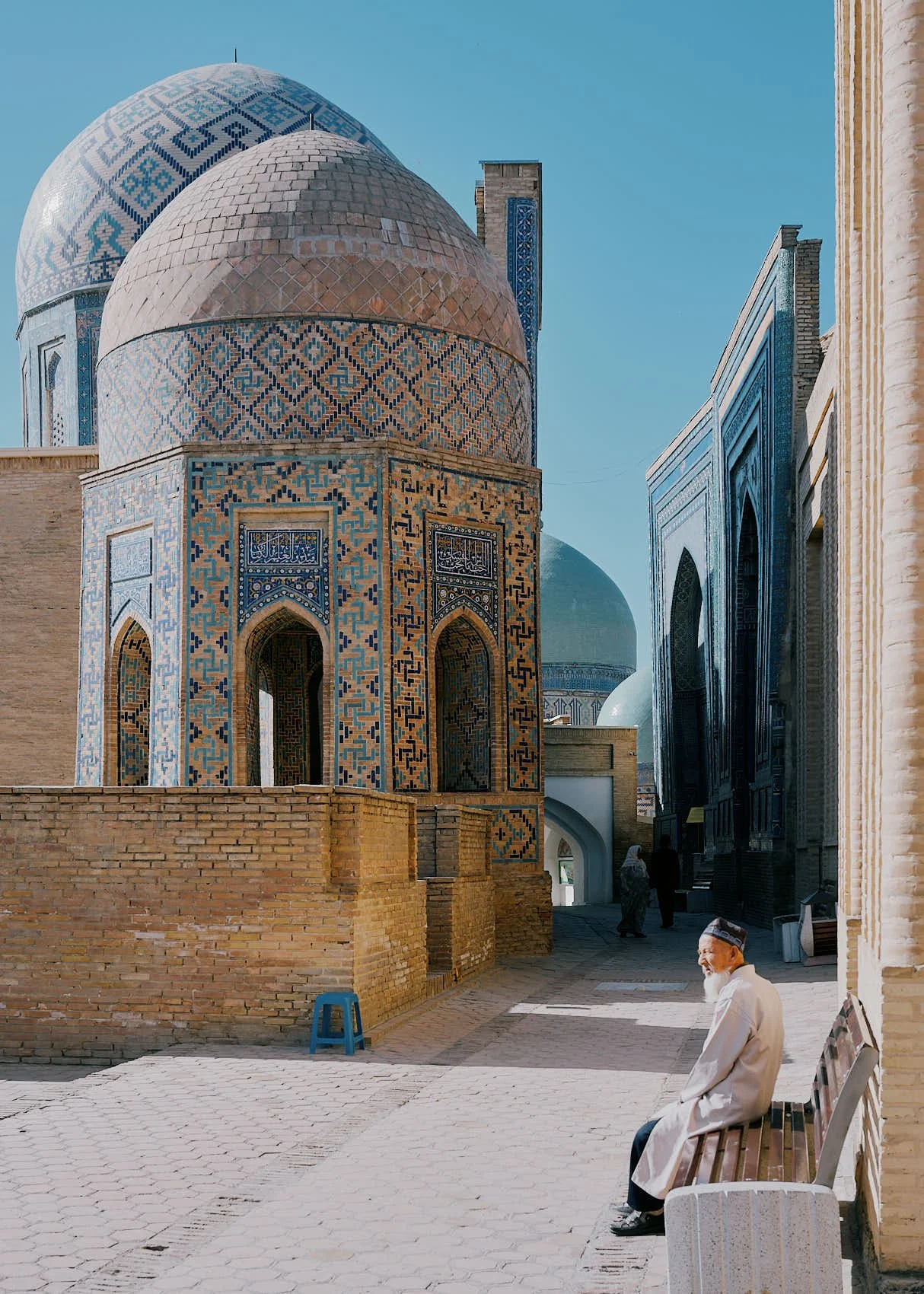
The Shah-i Zinde in Samarkand
A mesmerising necropolis in northeastern Samarkand, containing some of the richest and most brilliant tile work in the Muslim world. The complex is structured as a narrow, open-air "street cemetery" flanked by more than 20 uniquely designed mausoleums. Its Persian name translates literally to "The Living King", an identity rooted in the centuries-old legend of Qutham ibn Abbas, who arrived here in the 7th century to preach Islam.
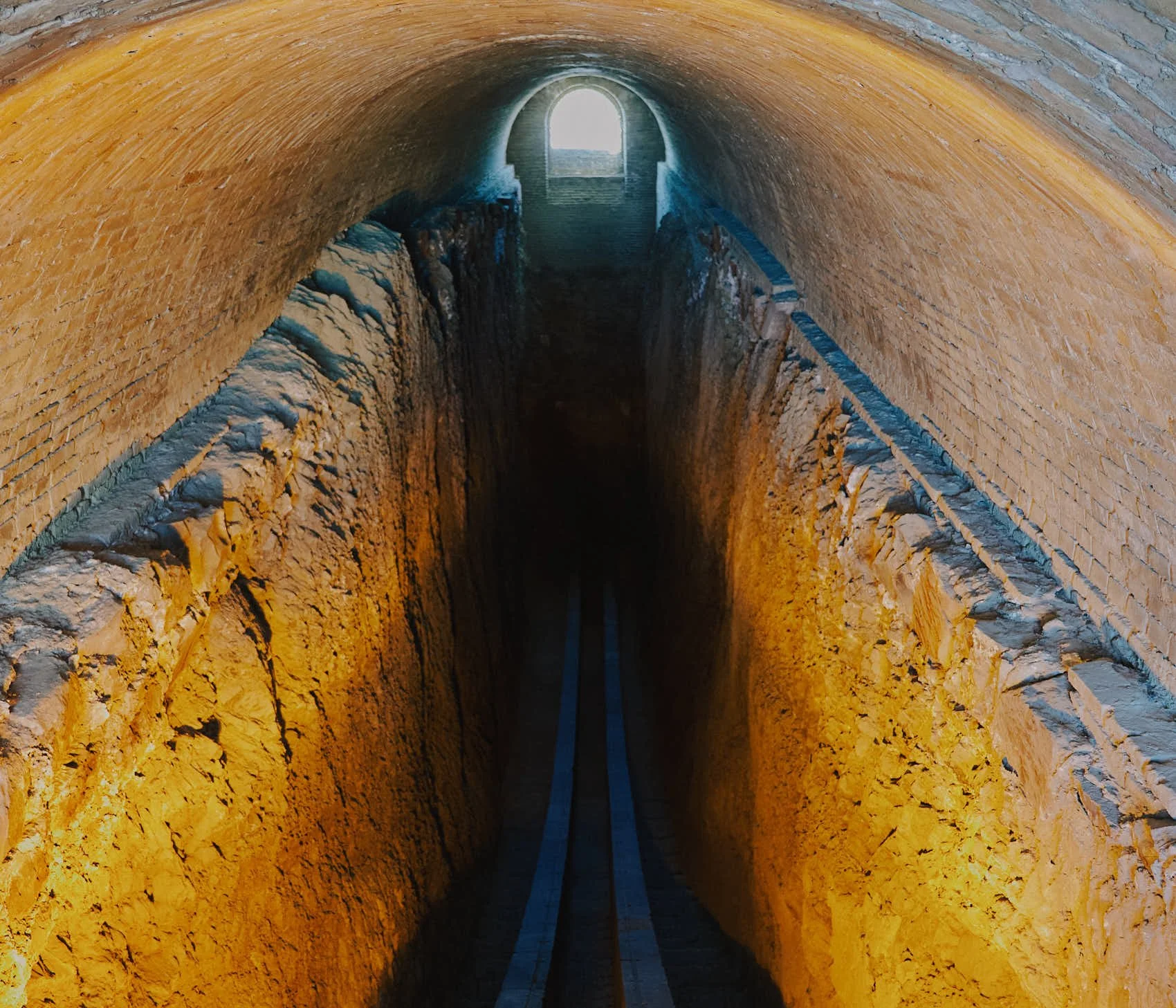
Ulugh Beg Observatory, Samarkand
The Ulugh Beg Observatory is an astronomical observatory located on a hill near Samarkand. Built in the 1420s by a star-gazing sultan, it is was one of the largest and most advanced observatories in the pre-modern world. This subterranean sextant that allowed astronomers to map over 1,000 stars with remarkable precision without a telescope. The small museum next door provides valuable context, although it can get busy is a coach tour arrives.
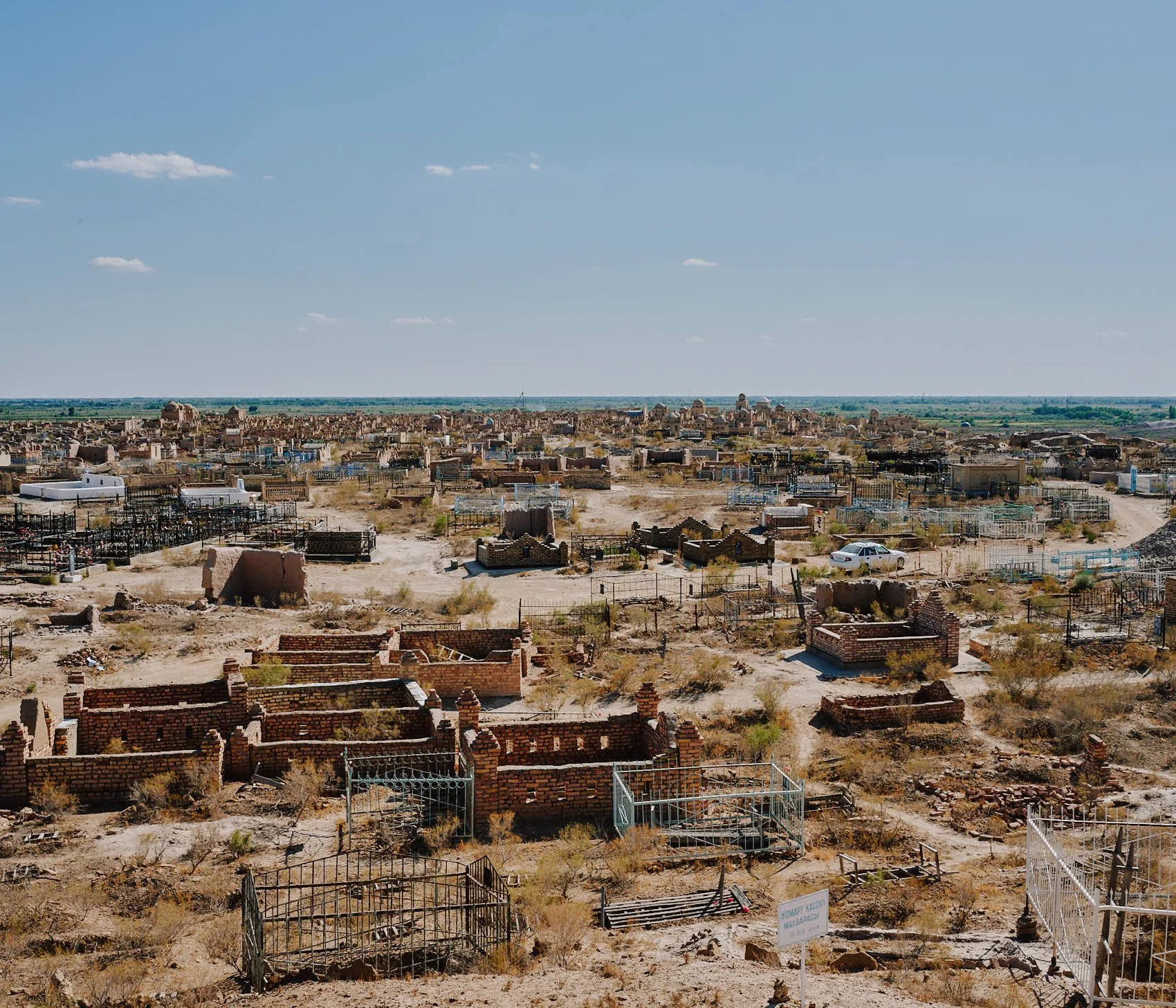
Mizdarkhan Necropolis, Near Nukus / Khiva
An eerie city of the dead spanning three desert hills. It features mud-brick tombs, the underground tomb of Princess Mazlum Khan Sulu, and a famous collapsing clock-tower tomb believed by some to mark the end of the world. The site also contains the ruins of the Gyaur-Kala fortress, which housed an ancient Zoroastrian fire temple before the Arab conquest. One of the most mesmerising and culturally rich archaeological landmarks in Central Asia.
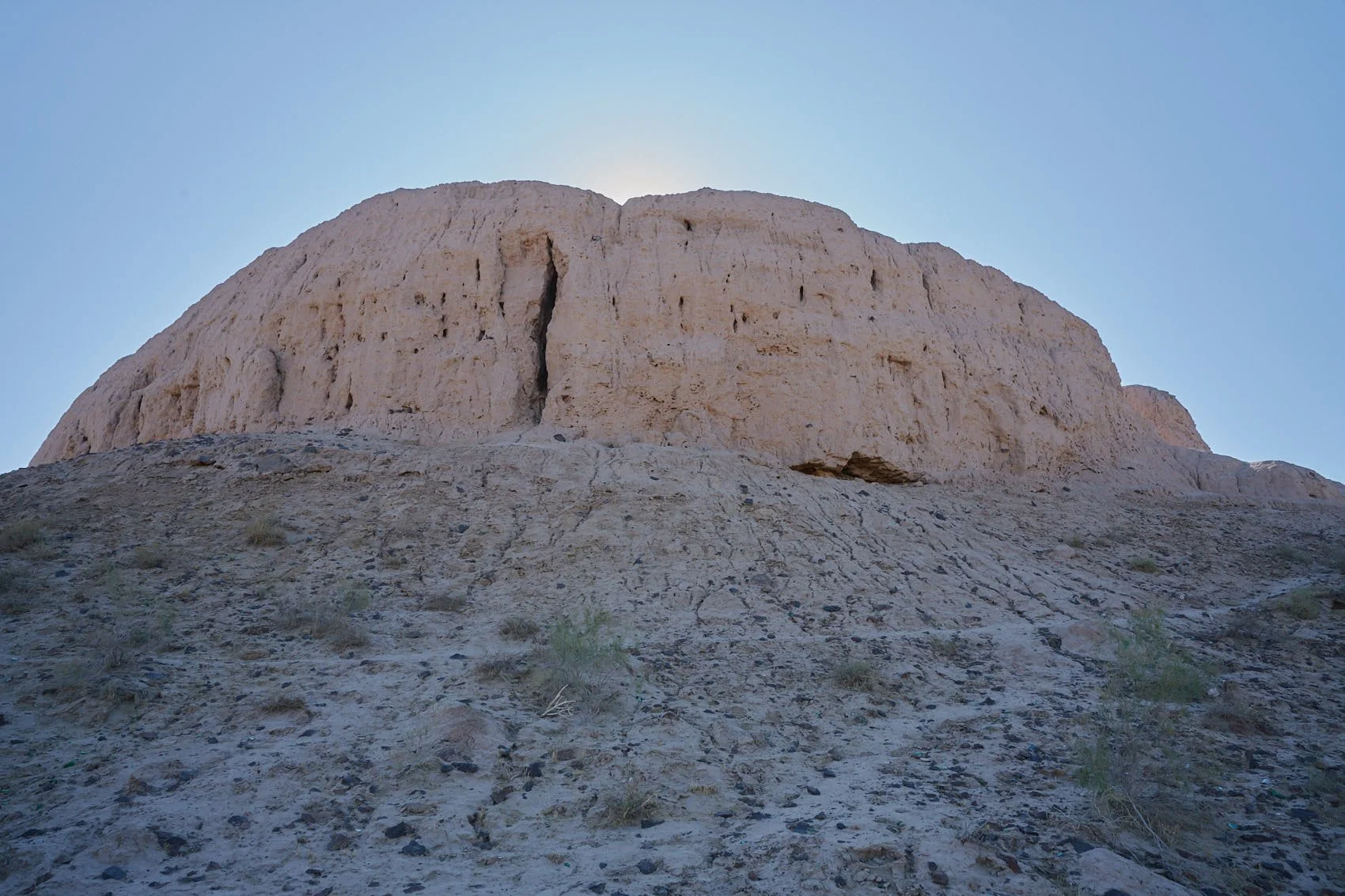
The Zoroastrian Tower of Silence, Near Nukus / Khiva
Rising out of the sun-baked plains of Karakalpakstan, Chilpik Dakhma—the ancient Zoroastrian Tower of Silence—is an enigmatic reminder of the Silk Road's pre-Islamic past. It once served as an open-air theatre for one of humanity's most misunderstood funerary customs: the Zoroastrian sky burial. The Tower of Silence lies between Nukus and Khiva and is best seen by private taxi.
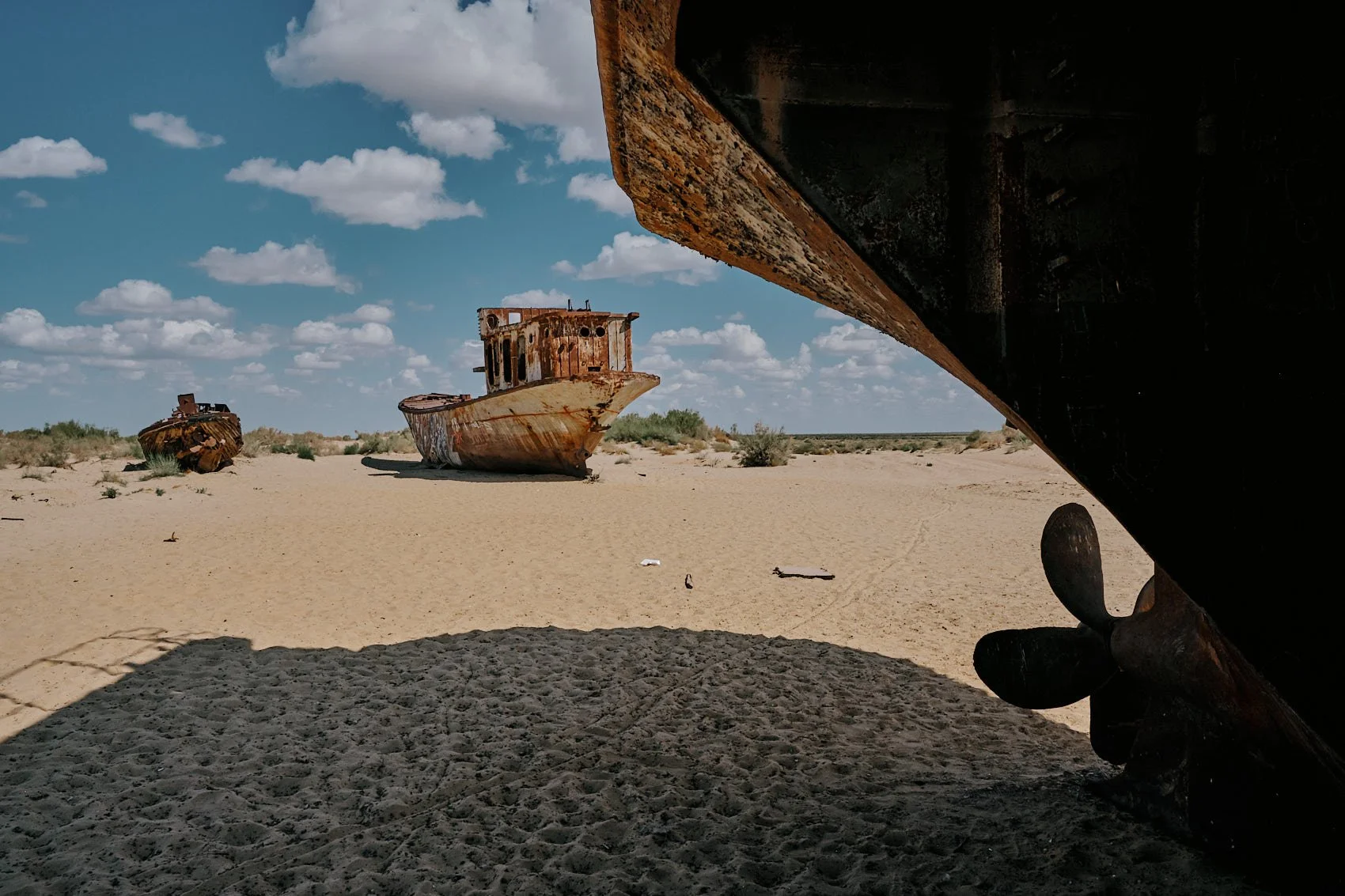
Moynaq Ship Graveyard, Nukus
Moynaq (Muynak), a former bustling fishing port on the Aral Sea, has become a "dark tourism" destination known for its rusting "ship graveyard" abandoned in the desert. The sea's drastic retreat, caused by Soviet-era irrigation projects, left ships stranded tens of kilometers from water. You can reach this horribly photogenic site via a 3-4 hour taxi drive north from Nukus. The Moynaq Ecological Museum shows black-and-white photos of the vibrant, lost fishing industry alongside tins of fish from factories that closed decades ago.
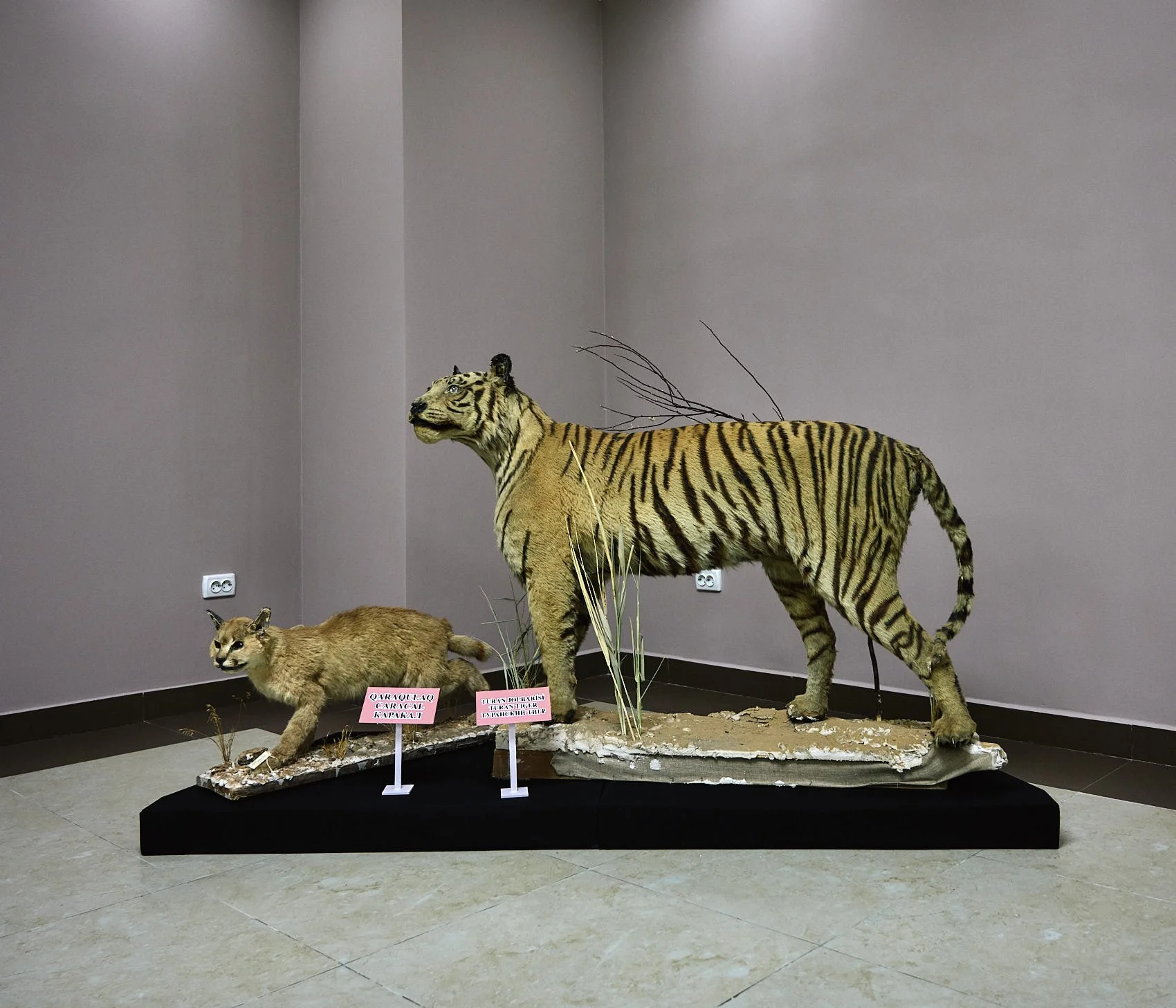
The Last Turan Tiger, Nukus
A poignant historical exhibit housed at the State Museum of History in Nukus. Habitat destruction, loss of prey (like the Bukhara deer), and unchecked hunting completely wiped the Turan tiger (or Caspian tiger) is a them out by the mid-to-late 20th century. This faded specimen stands as a haunting, physical reminder of human carelessness.
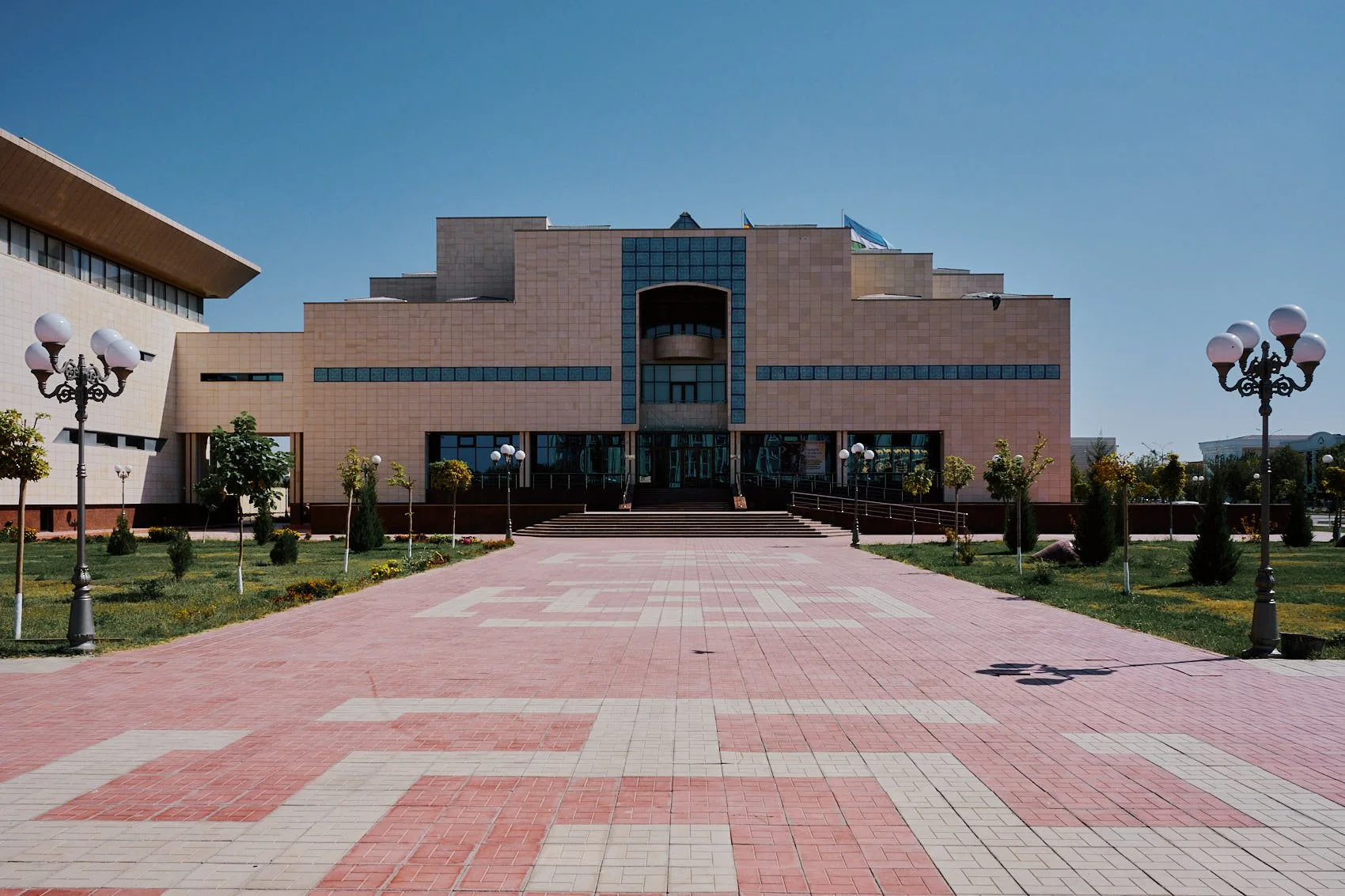
The "Louvre of Central Asia", Nukus
Nukus, is often called an “unappealing city” in guidebooks. But the Savistsky Museum of Art, which houses a treasure trove of Russian avant-garde art, redeems it somewhat. The art on display was rescued from Stalin’s clutches by Igor Savitsky, a Russian electrician. The remoteness of the region allowed him to show and buy paintings that had been banned – the authorities simply had no idea what he was up to.
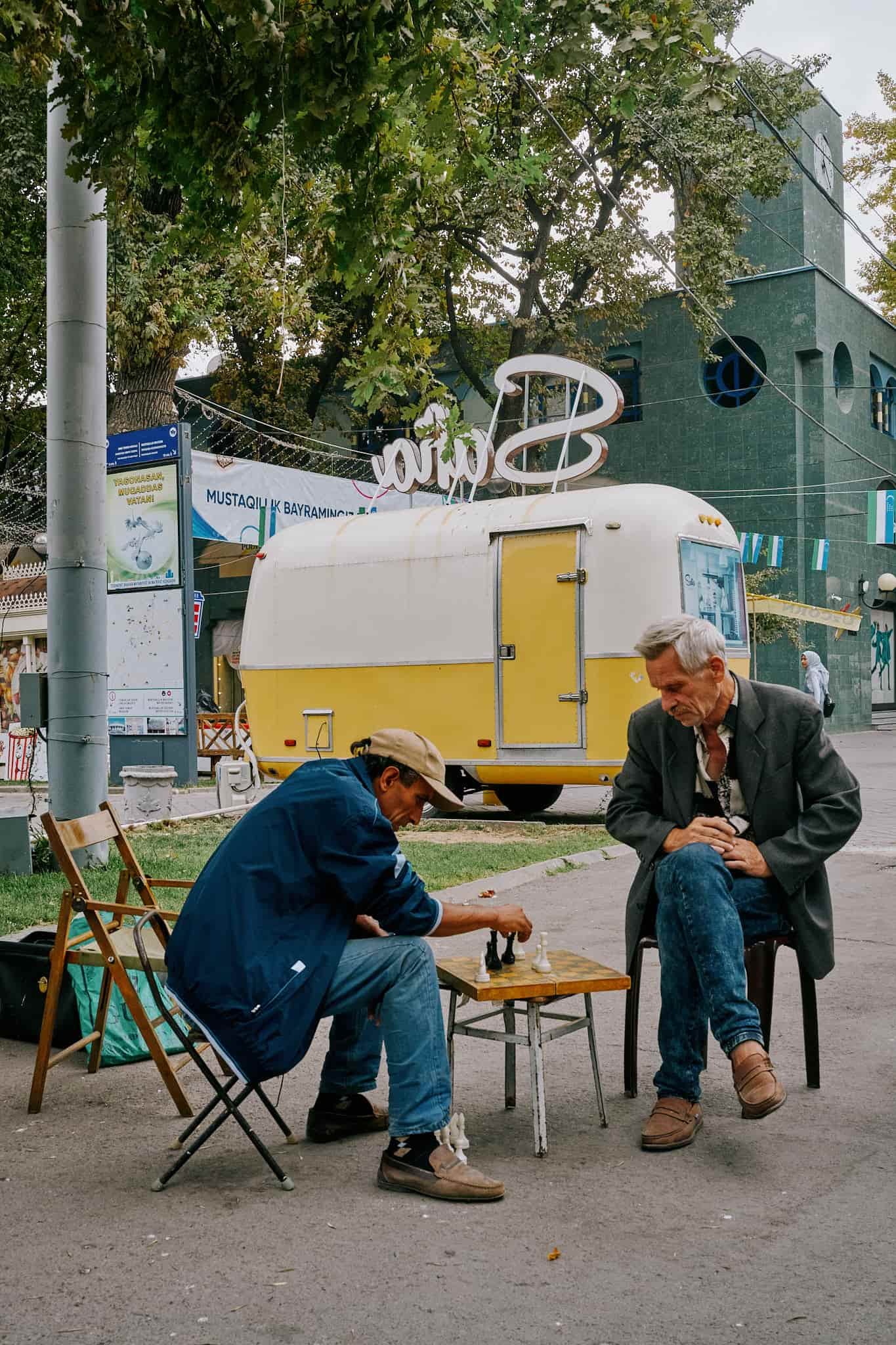
Tashkent’s Broadway Street
Tashkent is famous for its opulent subway, and its Soviet-era brutalist architecture. But Broadway Street (officially named Sayilgoh Street) which functions as Tashkent's open-air cultural hub, is the place to go for a wander. By day, local Chess masters battle across tables, alongside artists displaying landscapes and flea market stalls; by night, neon lights illuminate the avenue as street musicians, food kiosks, and families out for an evening stroll.
TRAVEL BRIEFING
Uzbekistan has a well-established tourist route (Tashkent–Samarkand–Bukhara–Khiva) covered by high-speed trains (Afrosiyob) for speed and comfort. Taxis add flexibility, and the independence to visit Nukus, which lies west of Khiva.