Deep in the Sahara: An Open Air Museum of Prehistoric Art
In Algeria’s Tassili N’Ajjer National Park, ancient hands carved images of a green Sahara that no longer exists
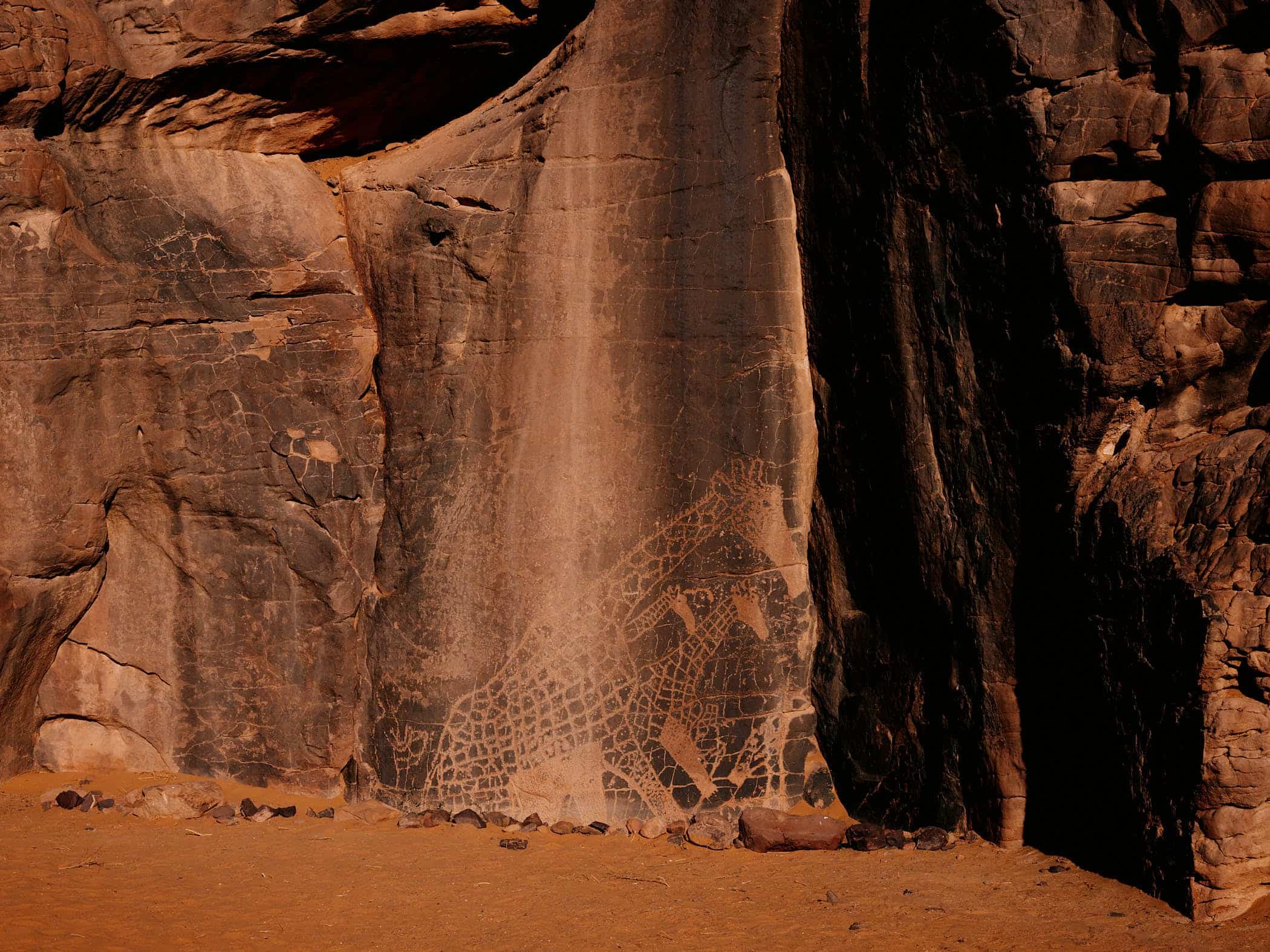
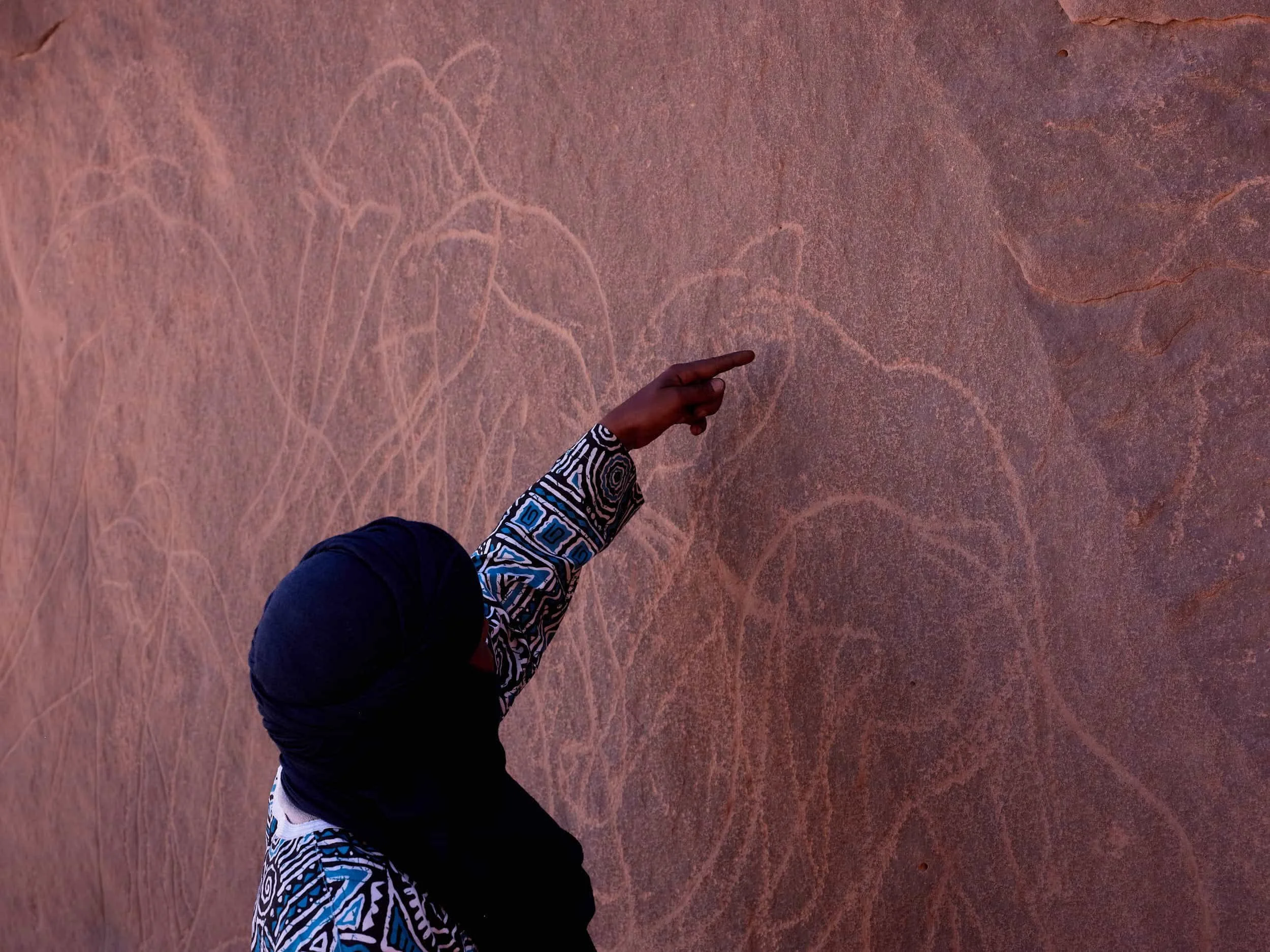
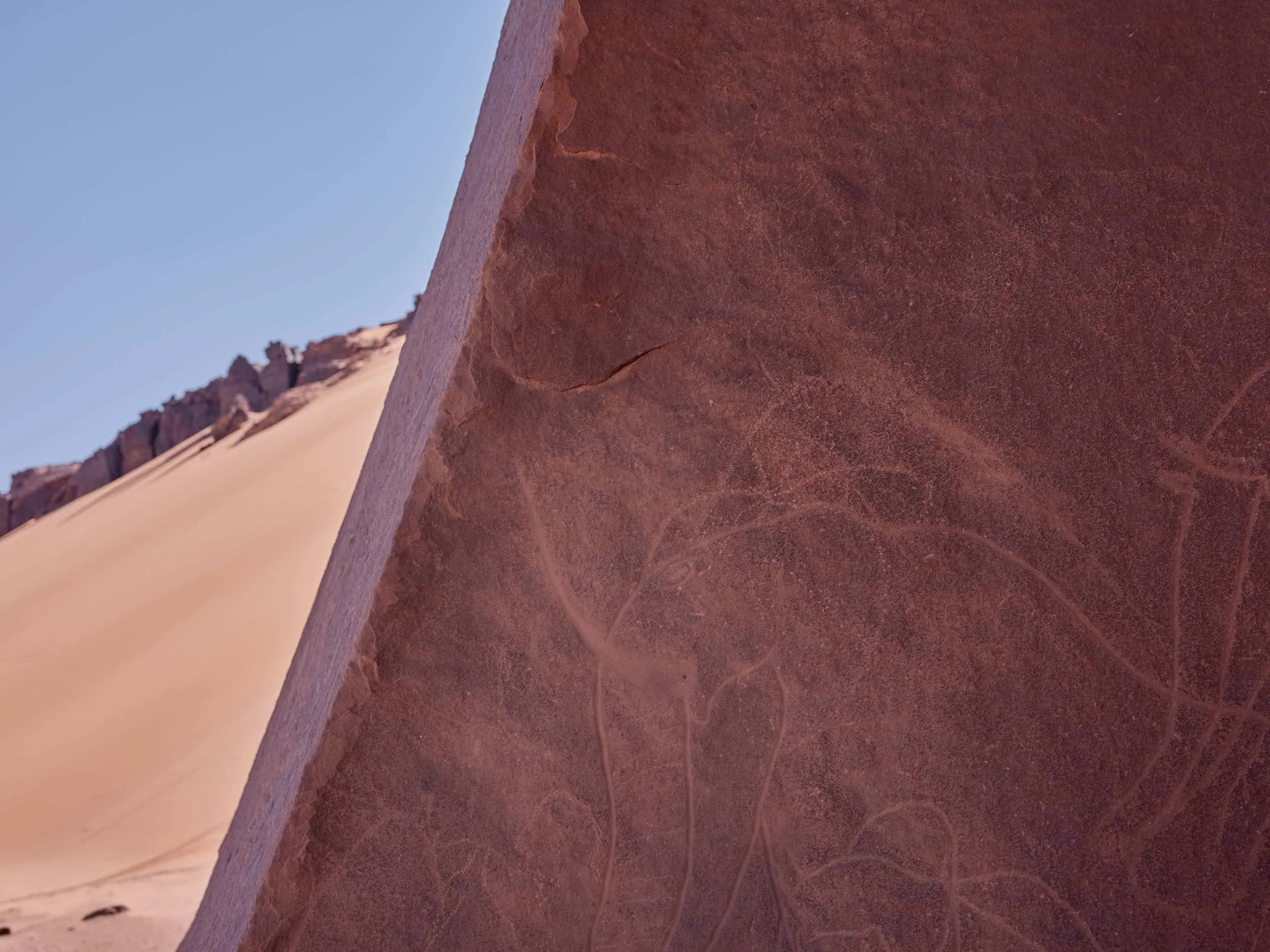
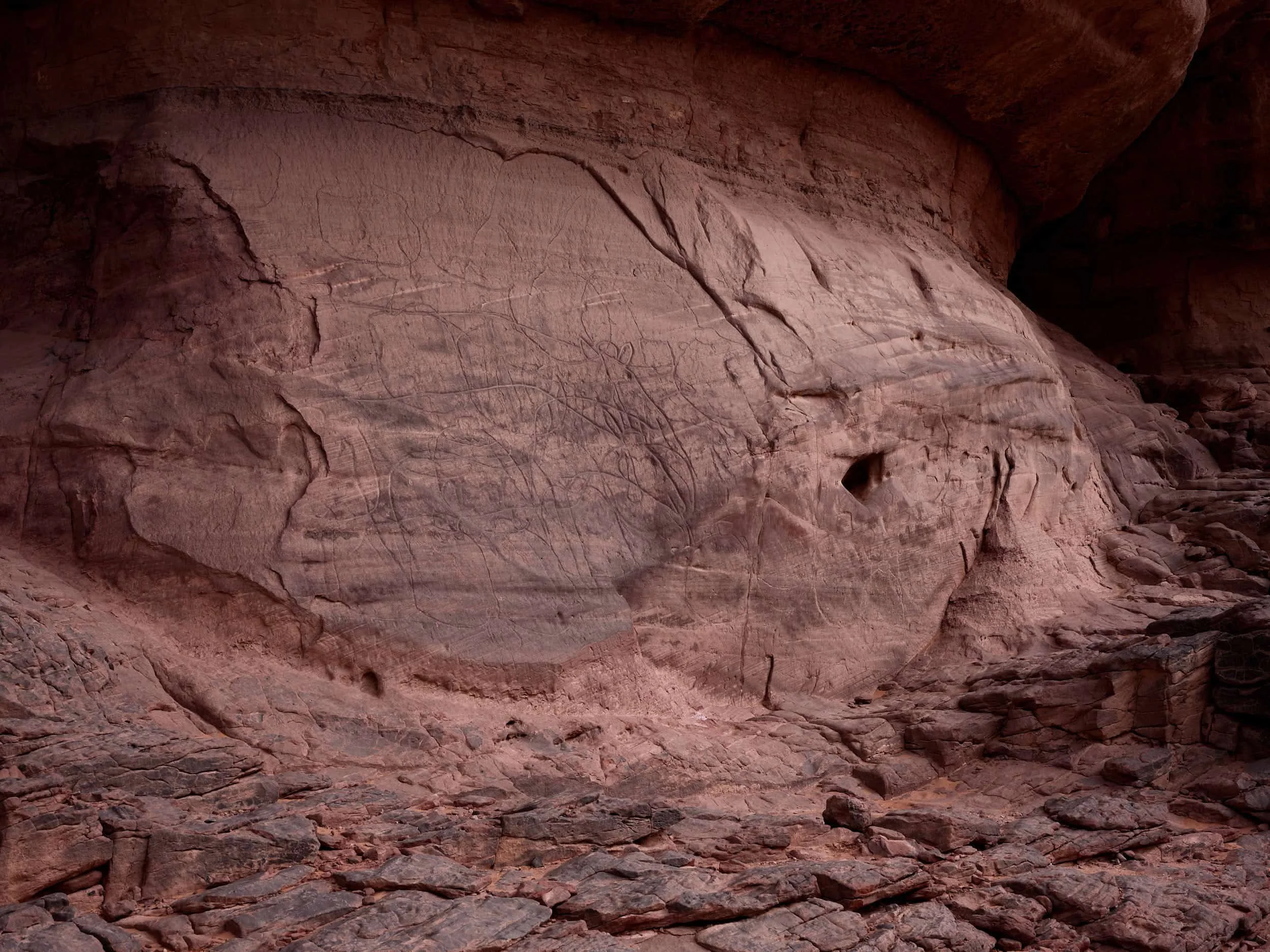
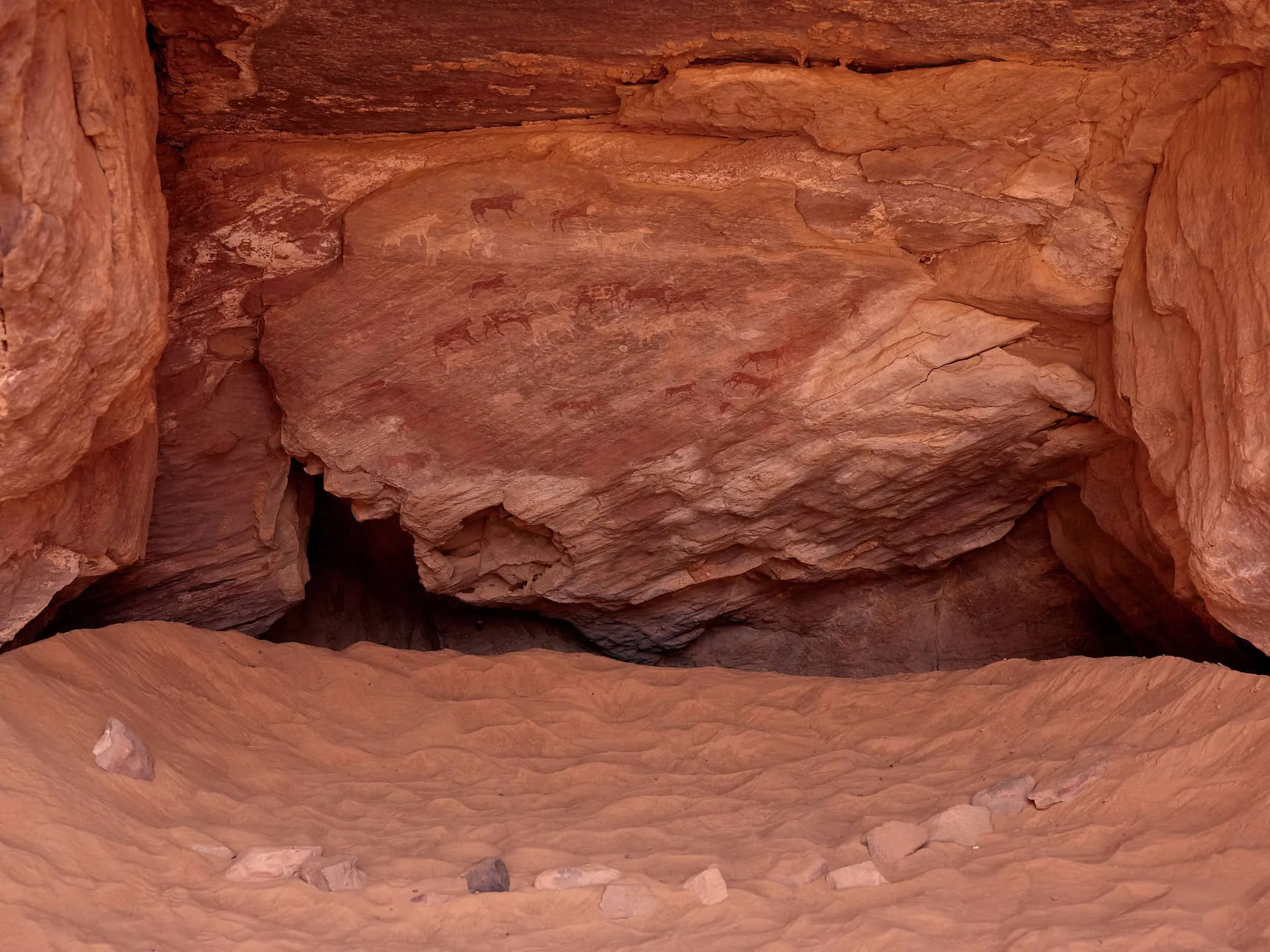
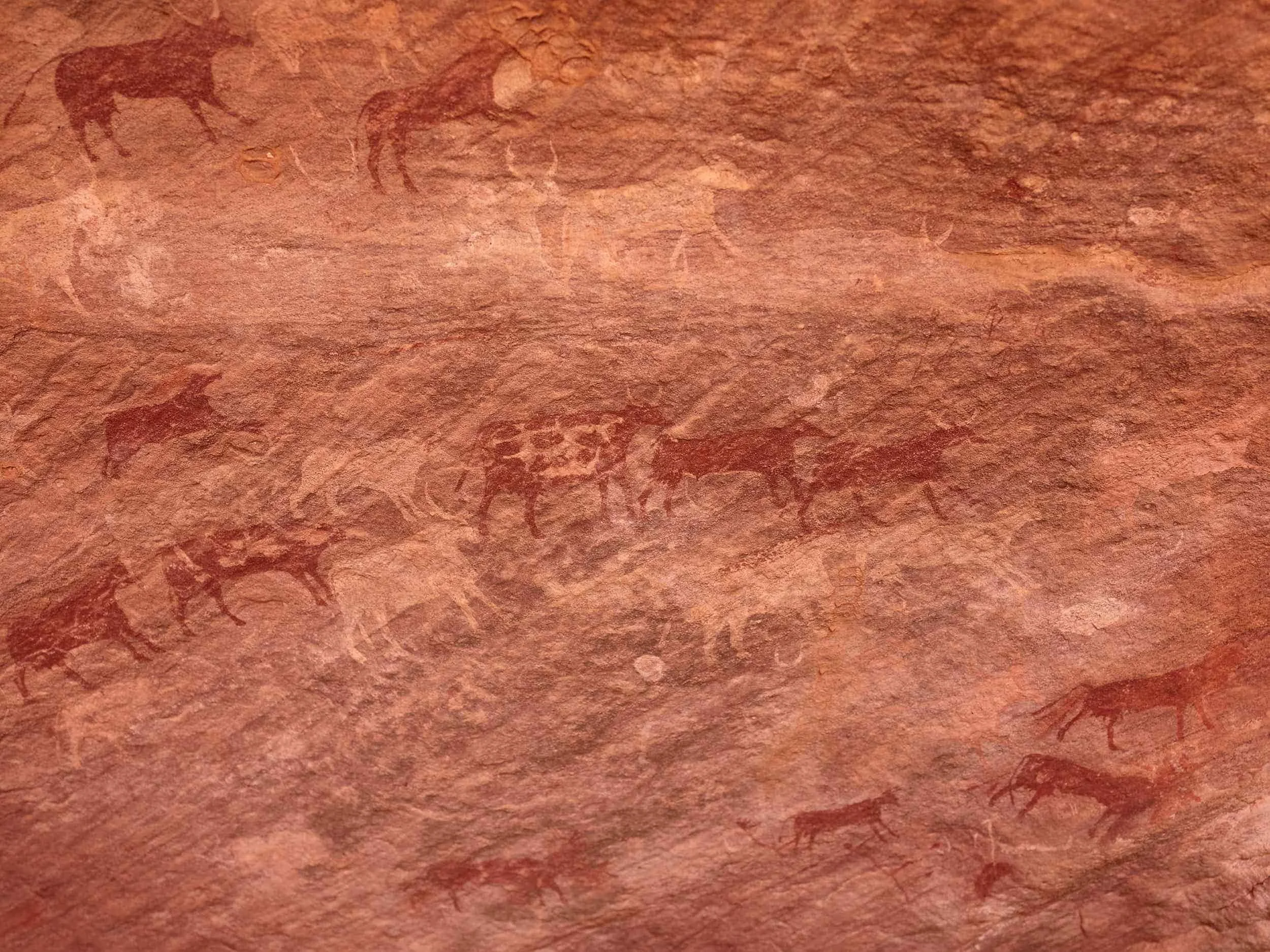
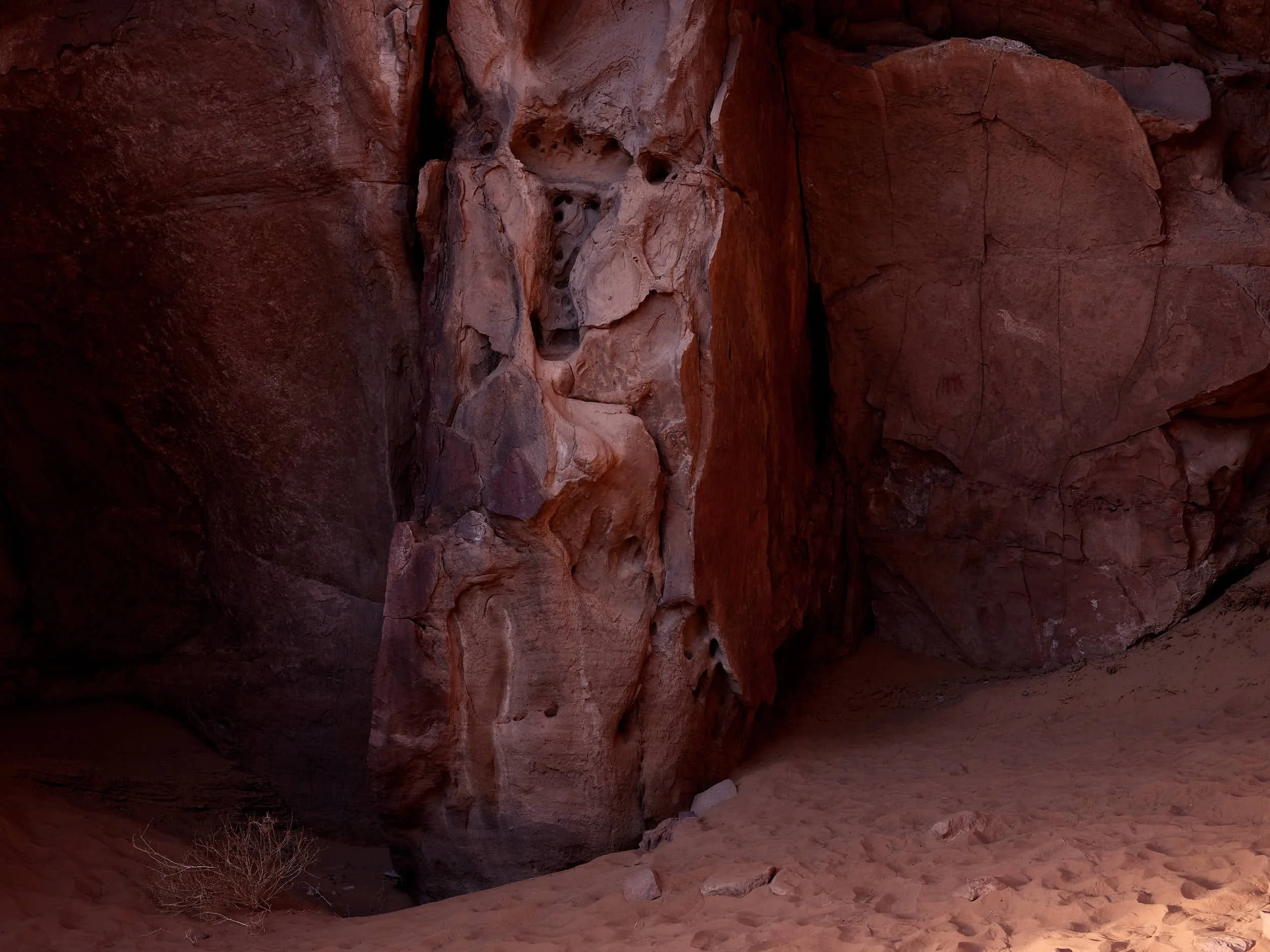
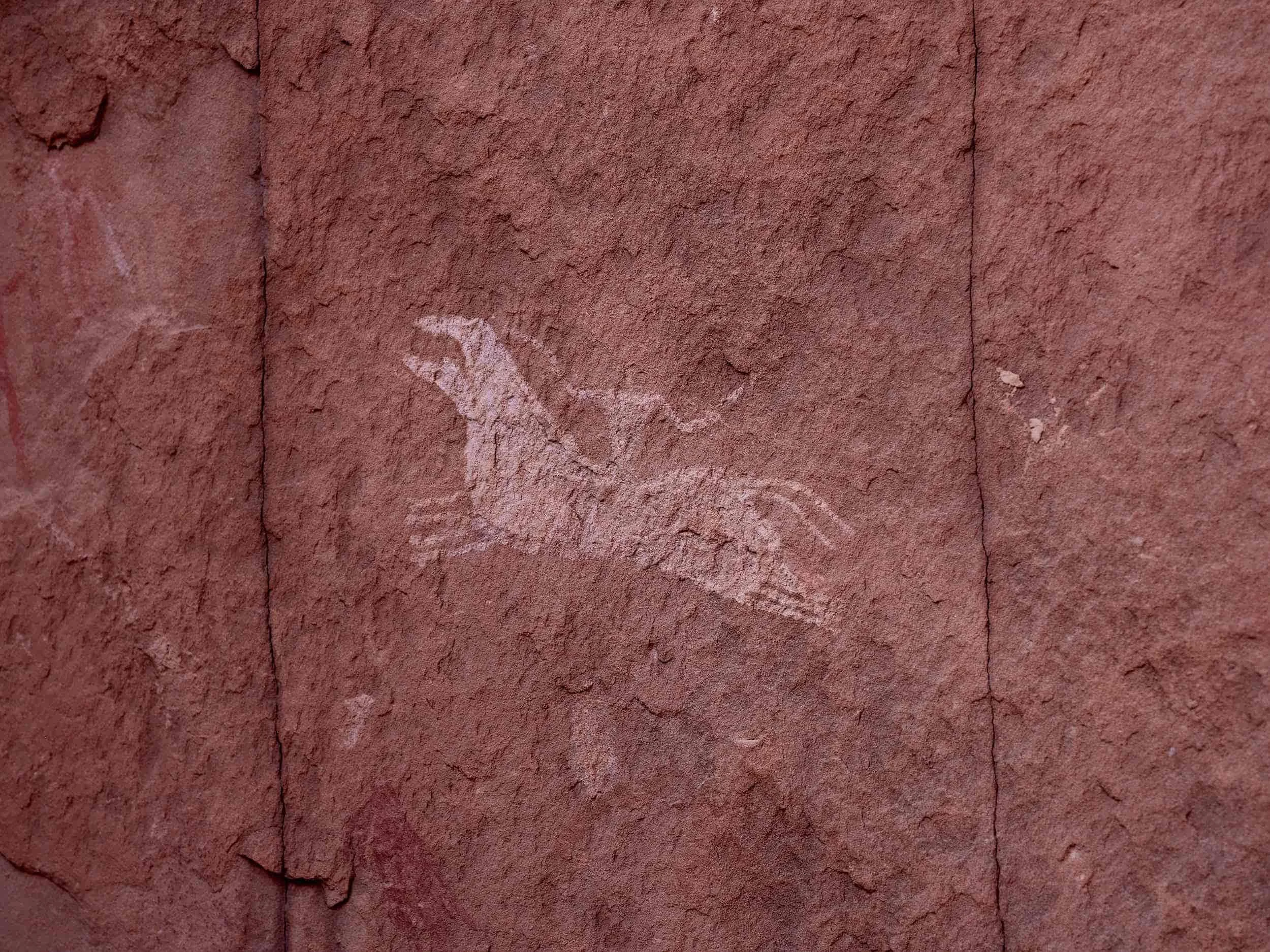
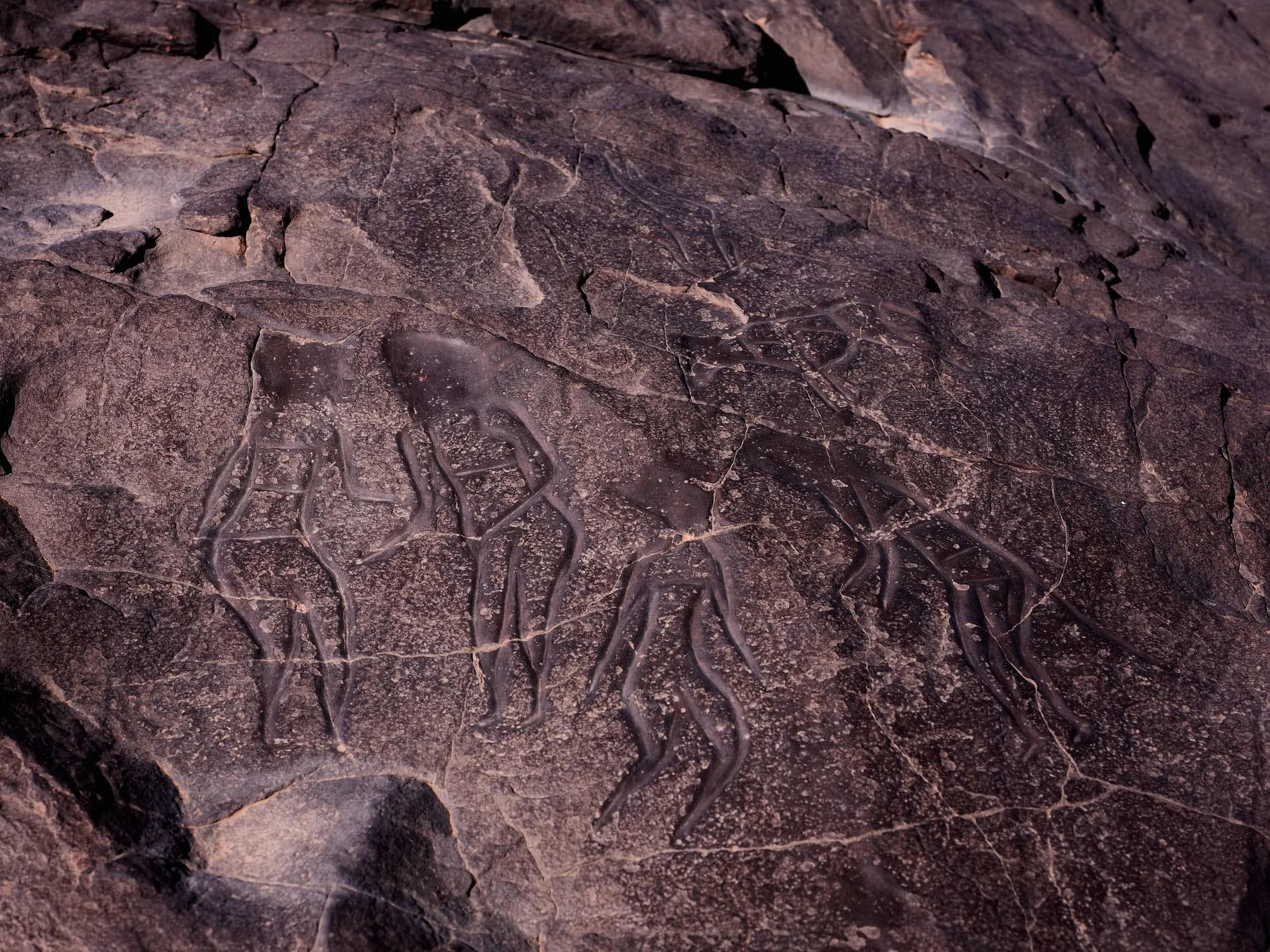
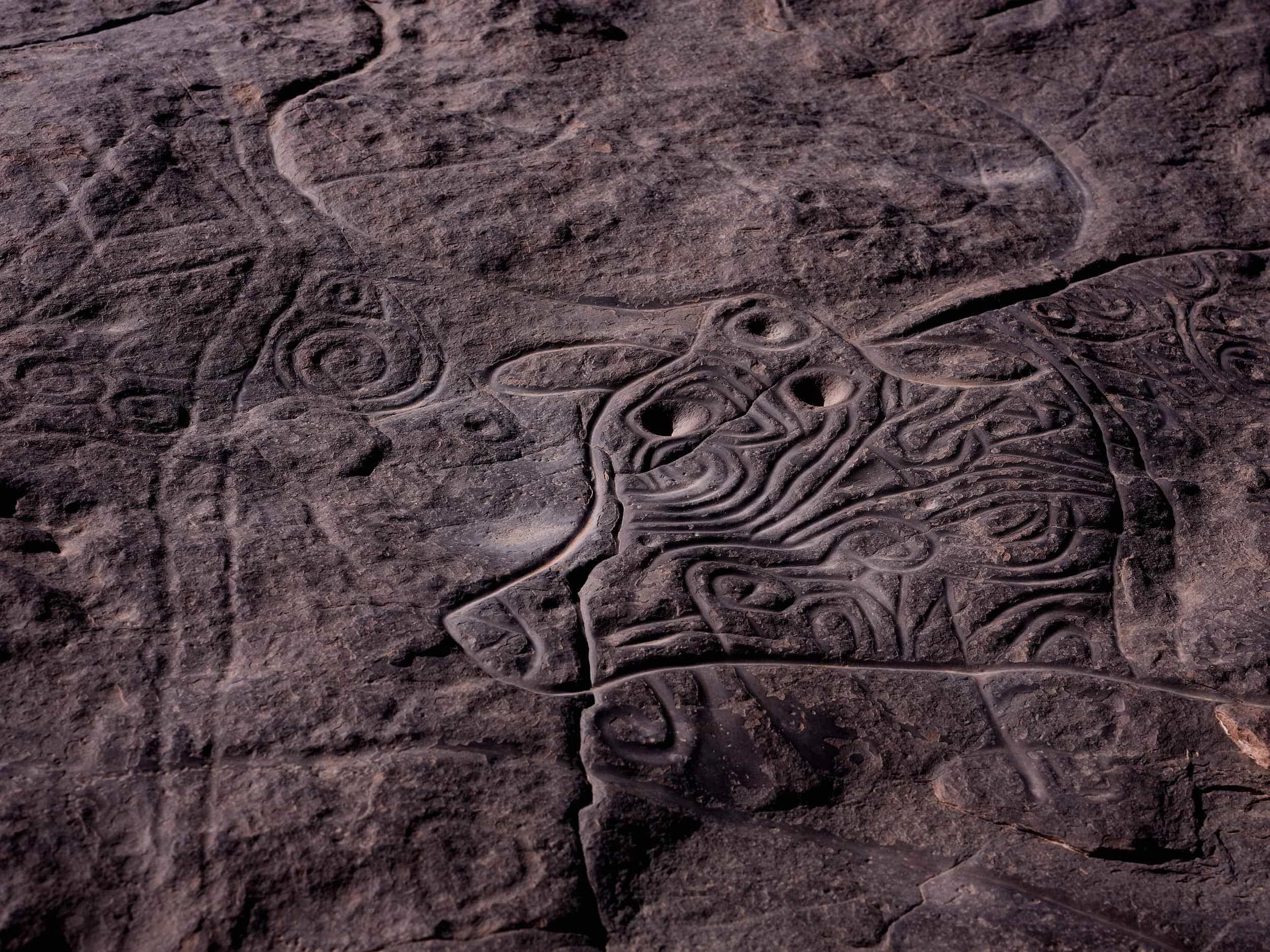
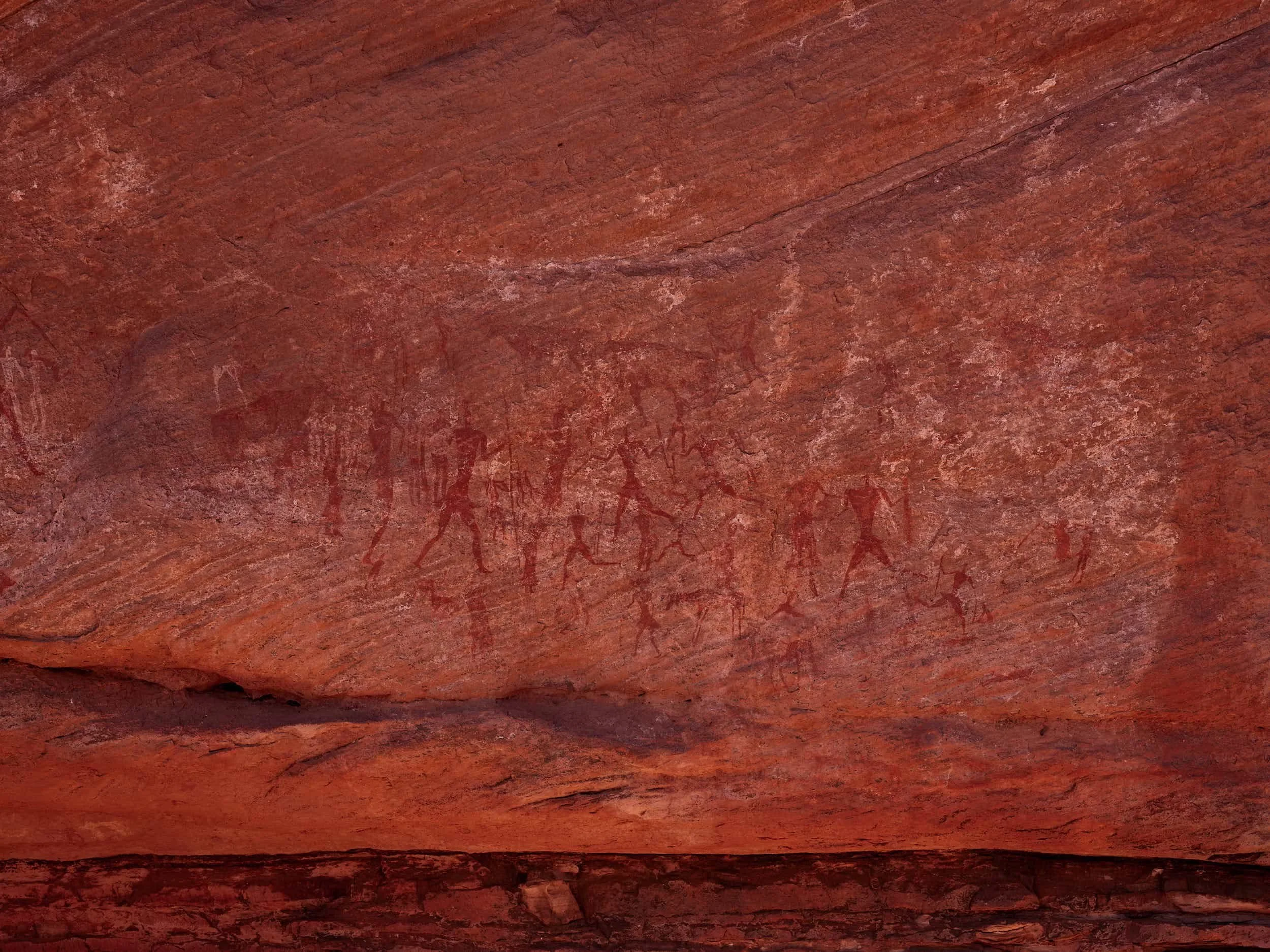
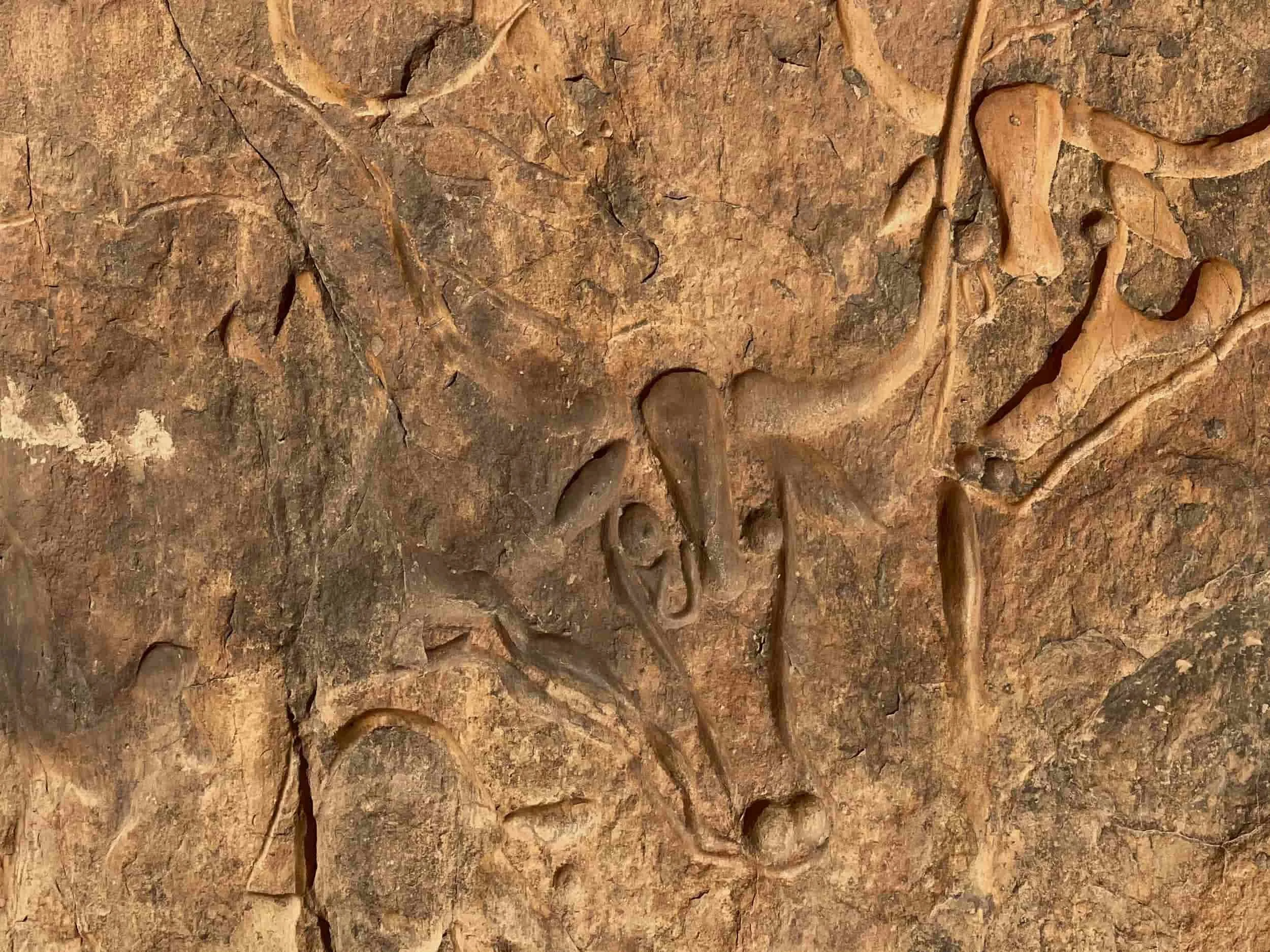
Few people have heard of the remote Tassili n’Ajjer National Park in Algeria, or the vast "open-air museum" of over 15,000 works of prehistoric rock art that lies within it. These ancient etchings and paintings describe a time (between 11,000 and 5,000 years ago) when the Sahara was a fertile land where elephants, rhinos, and hippopotami roamed endless grasslands.
To turn a desert corner and see a giraffe with an elegant neck and spotted hide, carved into stone the color of dried blood, is something to behold. But it is an etching known as the "Crying Cows"—each with a large tear welling beneath its eye—that really brings home the scale of the changes that have unfolded here. Local legend has it that the herd represents the herders’ anxiety as the rains dried up and they could no longer give their cattle water.
TRAVEL BRIEFING
Tours of the Tassili n’Ajjer tend to last five to 10 days, with Tuareg guides collecting visitors directly from Djanet Airport, spending a night in the Oasis town of Djanet before and heading for the Tassili N’Ajjer National Park.
Read more in the Far From Guide to the Algerian Sahara