Ten 'Travel-Adjacent' Books That Changed My Perspective
Read and Recommended
I pan for gold in all kinds of genres—reading a lot of ‘travel adjacent’ books, essays, stories, and poems, often with a vein of ancient culture and nature running through them.
When I read book lists I want to know will they amuse?, will they entertain?, or will they change my perspective?
I love brevity. So many of these are short. Some are very short.
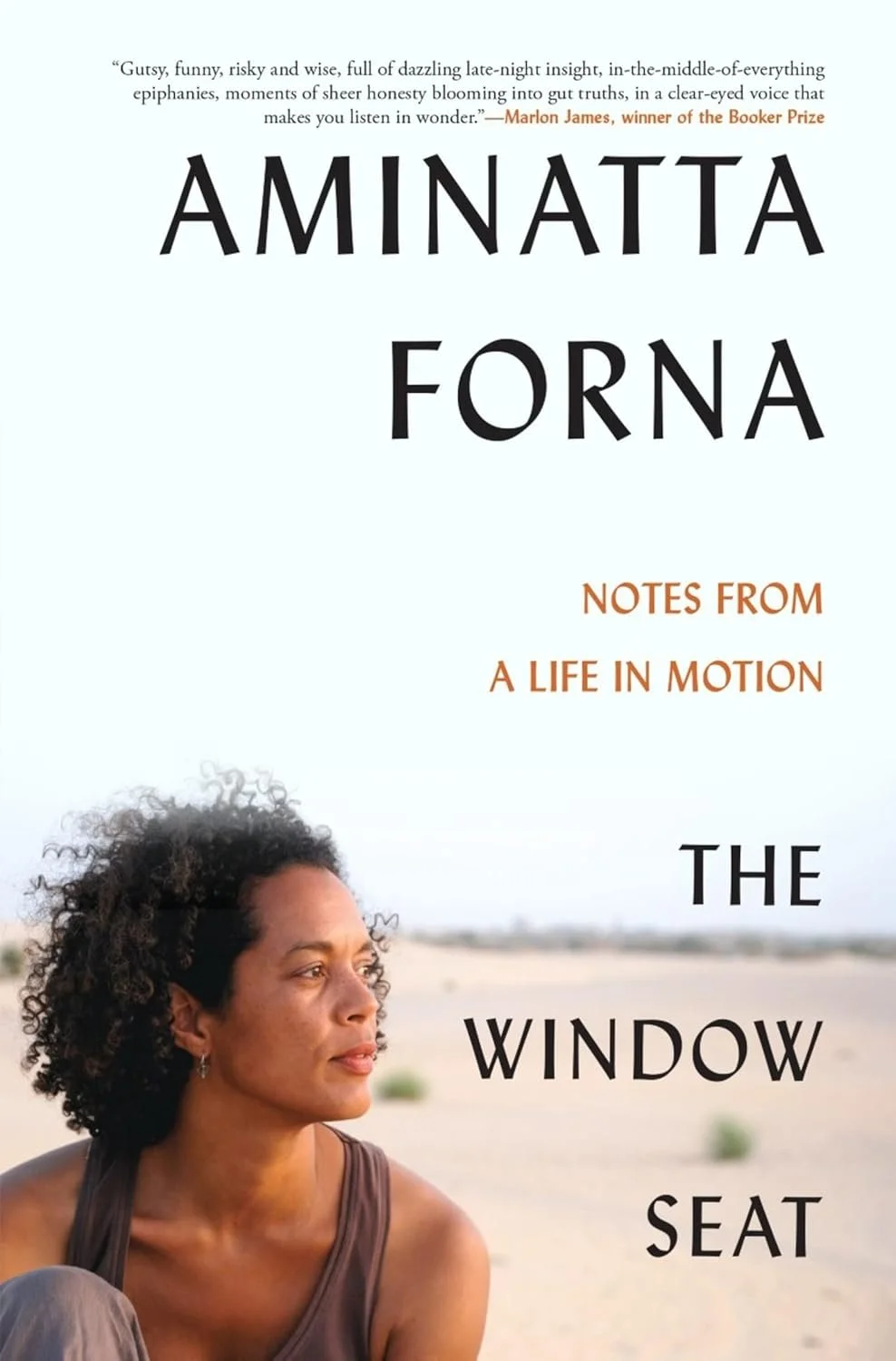
1. In Timbuktu by Aminatta Forna (The Window Seat)
In just a few razor-sharp words, Forna completely dismantles romantic Western myths surrounding Timbuktu. In Timbuktu is one of the dazzling essays in The Window Seat, ranging across continents and time.
Read an interview with Forna(Guardian Link)
2. The Man at the River by Dave Eggers (Granta 124)
An American man sits by a river in Africa. All he wants is to be a man sitting on a riverbed, yet he is trapped inside the rigid box of being an “American tourist.” The story explores the clash between Western hyper-awareness and the local acceptance of the natural environment.
Read The Man at the River (Granta Link)
Dave Eggers is a master of the ‘Short Short’ story. Read ‘What The Water Feels Like To The Fishes’ for more brilliance. (Guardian Link)
View the book on amazon.co.uk
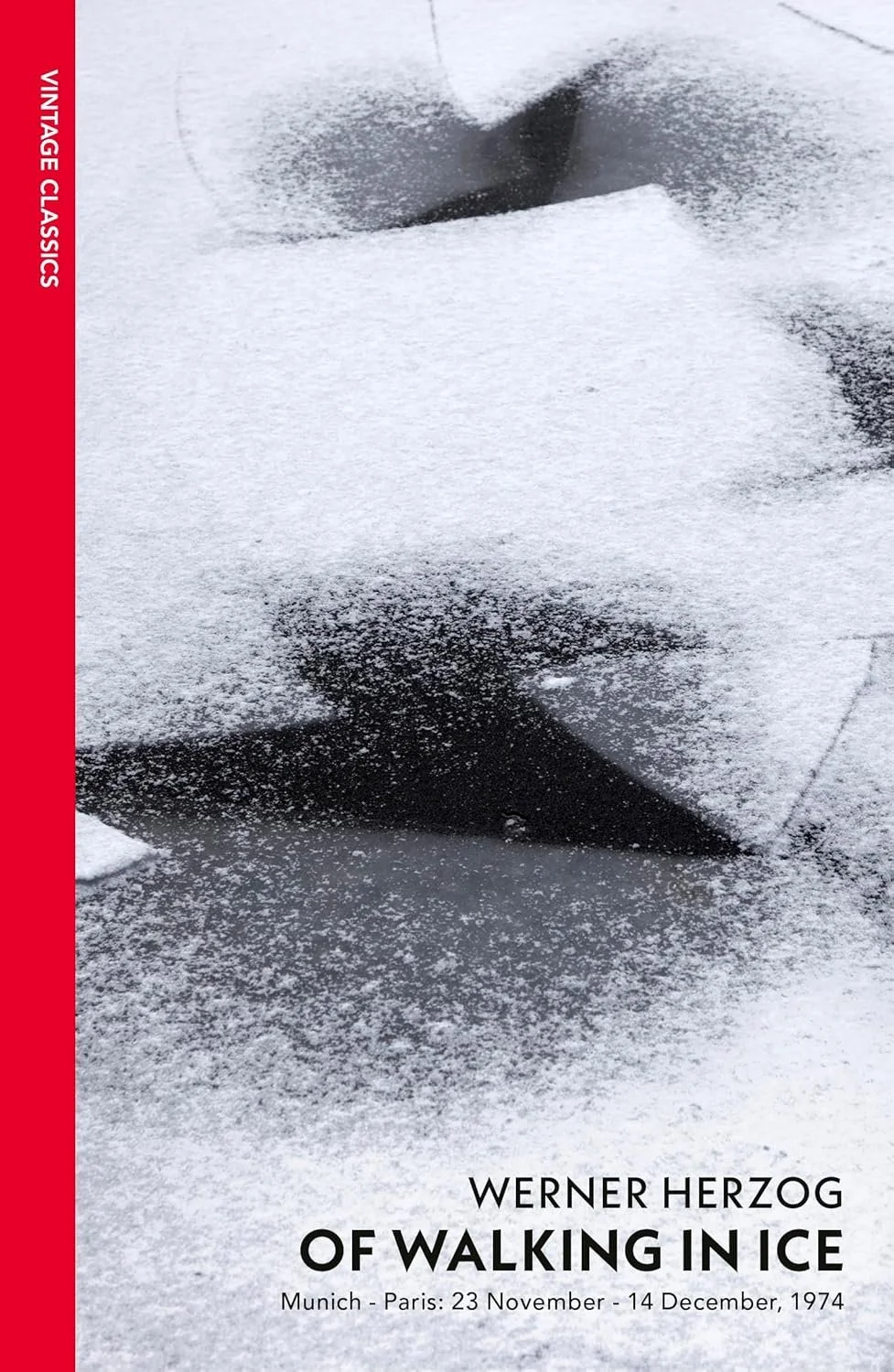
3. Of Walking in Ice by Werner Herzog
A slender book (my favourite kind) as rich as any of Herzog’s films. In November 1974, upon learning that his friend, film historian Lotte Eisner, was gravely ill in Paris, Herzog set off to walk an icy 500 miles in full faith that she would stay alive if he came on foot. Of Walking in Ice is about the (absurdist?) belief that a physical act of endurance can alter destiny. Pure Herzog: in print.
View on amazon.co.uk
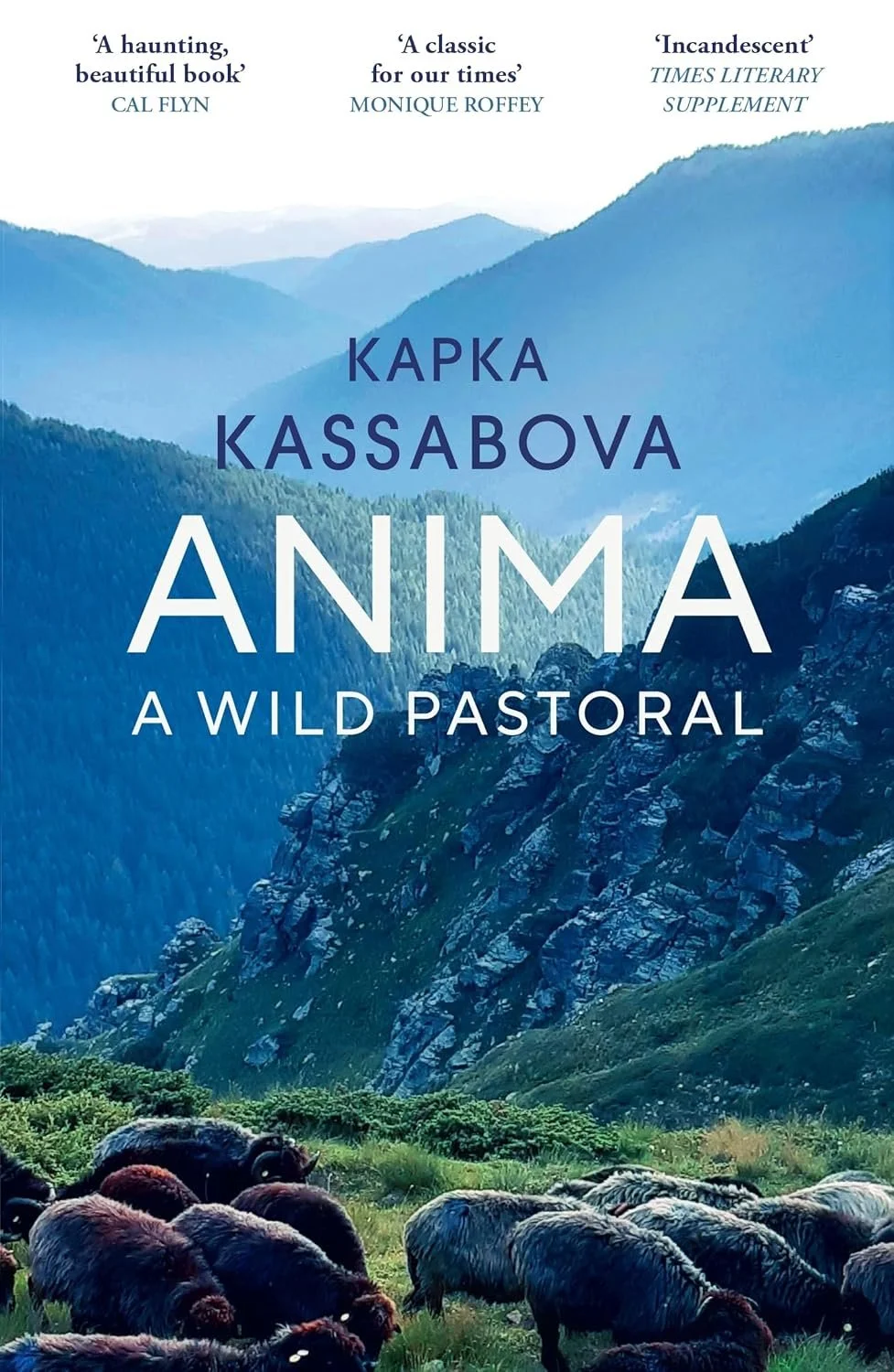
4. Anima: A Wild Pastoral by Kapka Kassabova
A character in Anima tells Kassabova: “If you stay longer and open your eyes, you’ll see things that visitors don’t see.” This is the longing of many travellers: to be shown a different world. In Anima: A Wild Pastoral, Kassabova’s account of her time among the last pastoralists of The Karakachans, she got exactly that.
But Kassabova is a poet who cares nothing for genres. So we get:
“Am I here because of you or are you here because of me? you ask as you brush your teeth next to a curly-horned ram who steam-breathes through his nostrils like a dragon. And they answer with their collective mind: We will not abandon you.”
I’m halfway through this intense reflection on the human-animal connection, and the ancient spirits of the natural world, and I can’t put it down.
View book on amazon.co.uk
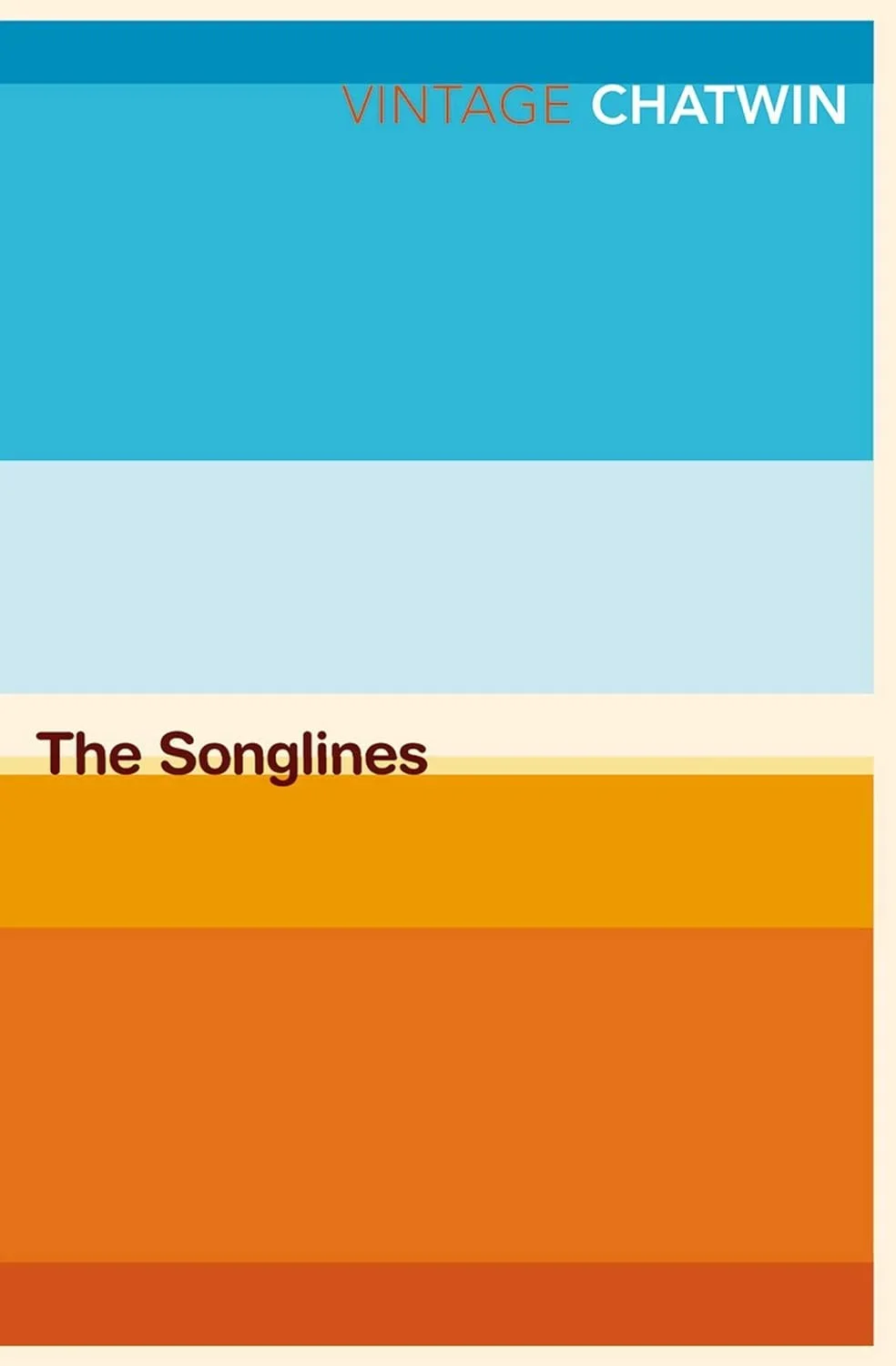
5. The Songlines by Bruce Chatwin
A flawed book (1987) by a fearless writer who also had a disregard for non-fiction boundaries. The Songlines has the creative fearlessness that Natalie Goldberg champions in her book Writing Down the Bones: “Play around. Dive into absurdity and write. Take chances. You will succeed if you are fearless of failure.”
The Songlines boasts an opening line that still makes me smile:
“In Alice Springs, a grid of scorched streets where men in long white socks are forever getting in and out of Land Cruisers - I met a Russian who was mapping the sacred sites of the Aboriginals.”
The Songlines takes the reader on a journey into the sacred realm of Aboriginal ‘Country’. Bruce Chatwin was a white guy entranced by Aboriginal culture. I am too. This book made me curious to delve deeper into Aboriginal art and writers like Tara June Winch.
View book on amazon.co.uk
Make it stand out
Whatever it is, the way you tell your story online can make all the difference.
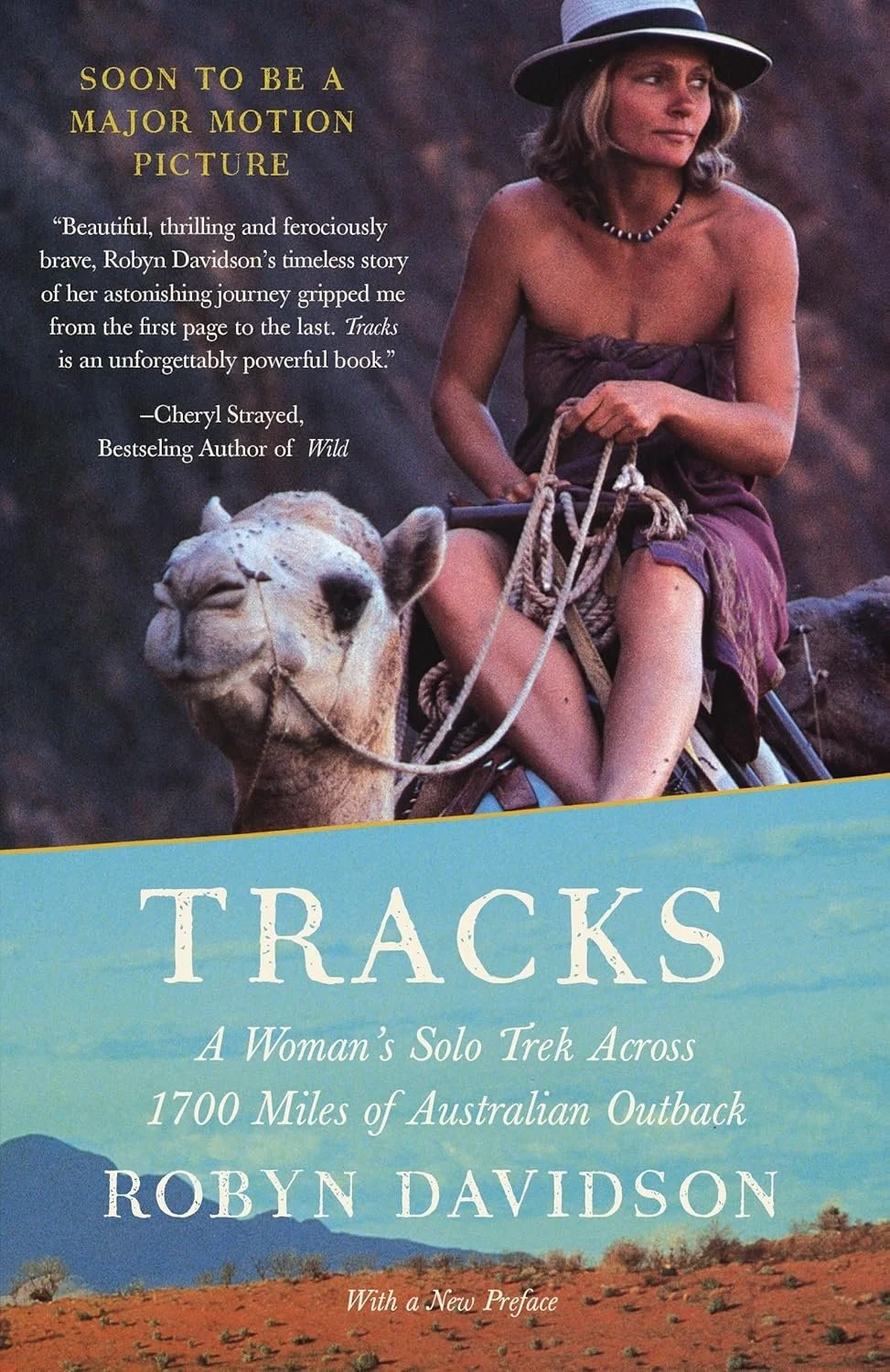
6. Tracks by Robyn Davidson
Tracks, published in 1975, follows Davidson’s “lunatic idea” to cross the Simpson Desert, from Alice Springs to the Indian Ocean with camels. What I love about Tracksis that Davidson wanted to do the journey for herself, only reluctantly agreeing to National Geographic coverage as she needed the money.
In Davidson’s recently published biography, Unfinished Woman, she talks of “being immersed in that landscape – sleeping on it, eating it when you get sand in your food, shitting on it, and walking every day on it, you enter a rhythm that’s not like any other rhythm. Your consciousness gets bigger and bigger.” For the first time, she says, she felt at home in the world. There is an intimacy here that I often don’t get from men’s tales of derring-do.
View book on amazon.co.uk
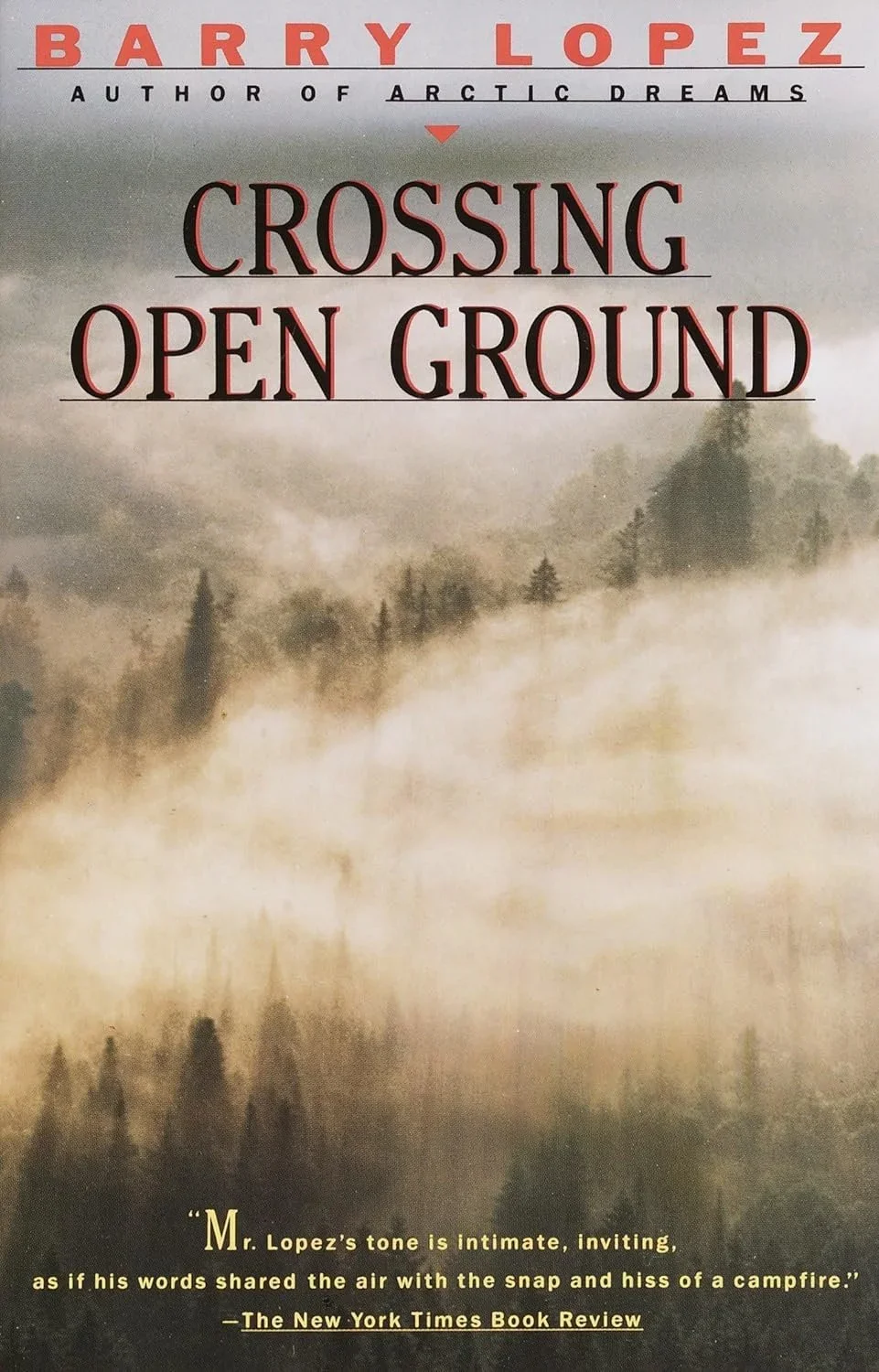
7. The Stone Horse by Barry Lopez (Crossing Open Ground)
I read The Stone Horse during a solo stay at a cabin in the Nevada Desert. All I had for company was kangaroo rats, cottontail rabbits, and a shelf full of nature books. Lopez’s words had never clicked with me until I read this.
The story follows Lopez’s search for an ancient horse geoglyph carved into the earth centuries prior by Quechan artists. He follows fragile, reluctant directions into the California desert. The moment he finds the horse, local geography collapses and he is dropped into deep time, confronting sacred indigenous art. When I got home I bought the book to see if the magic was still there. It was.
View book on amazon.co.uk
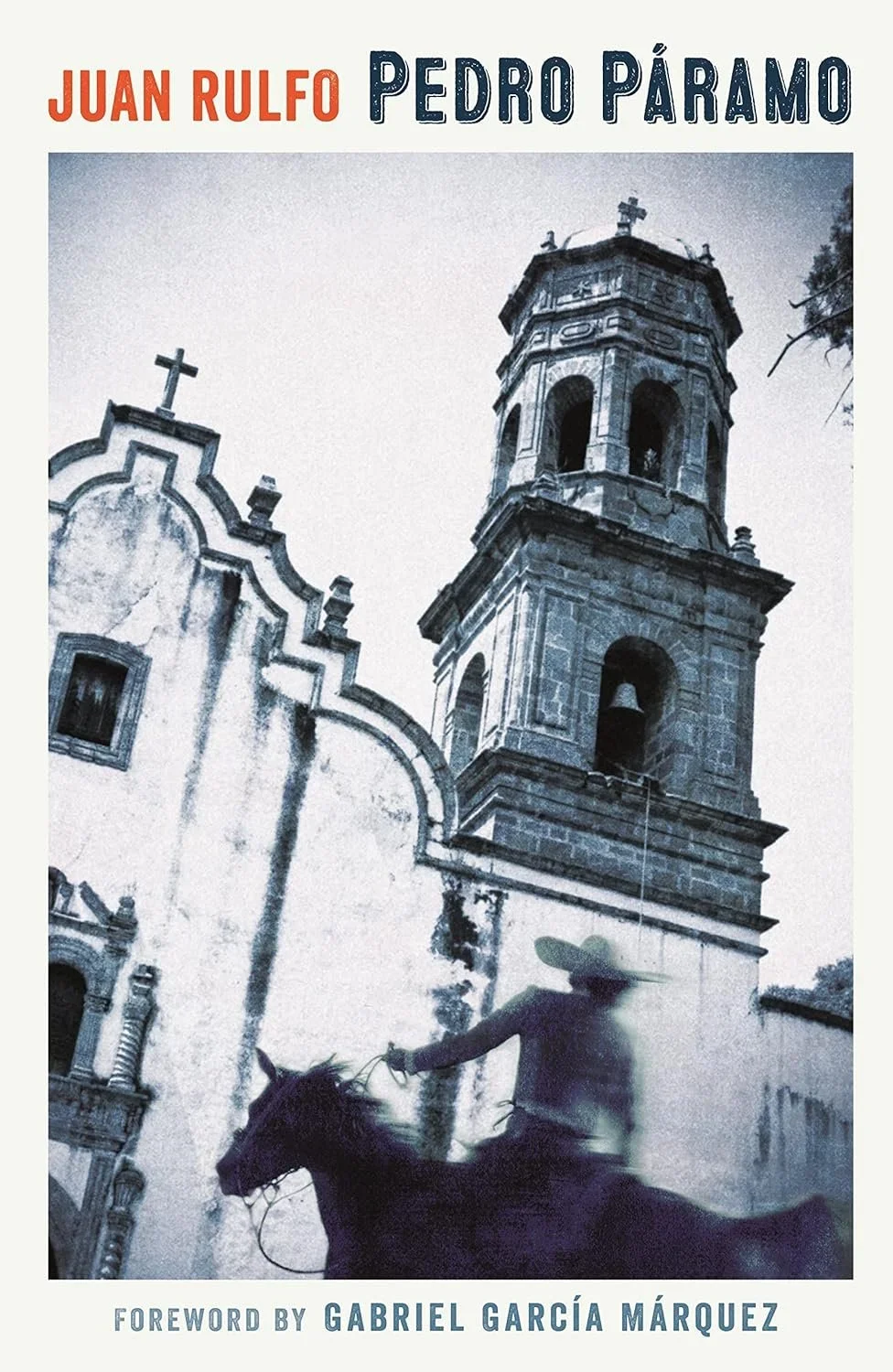
8. Pedro Páramo by Juan Rulfo
I’ve never been to Mexico, but if I went, this is the book I would take. I latched onto Pedro Páramo because Gabriel García Márquez and Mario Vargas Llosa revered it as an early work of magical realism.
Rulfo’s first and only novel, published in 1955, is a surreal tale of Juan Preciado who sets out on a strange quest to seek his father, Pedro Páramo. In the ruined town of Comala, he finds nothing but ghosts, whispers, and shadows. Susan Sontag, in her introduction, noted Rulfo’s literary restraint. He was the master of the hollowed-out sentence, spending years cutting the manuscript down, removing every unnecessary word. A great 20th-century novel that you can read in a day.
View book on amazon.co.uk
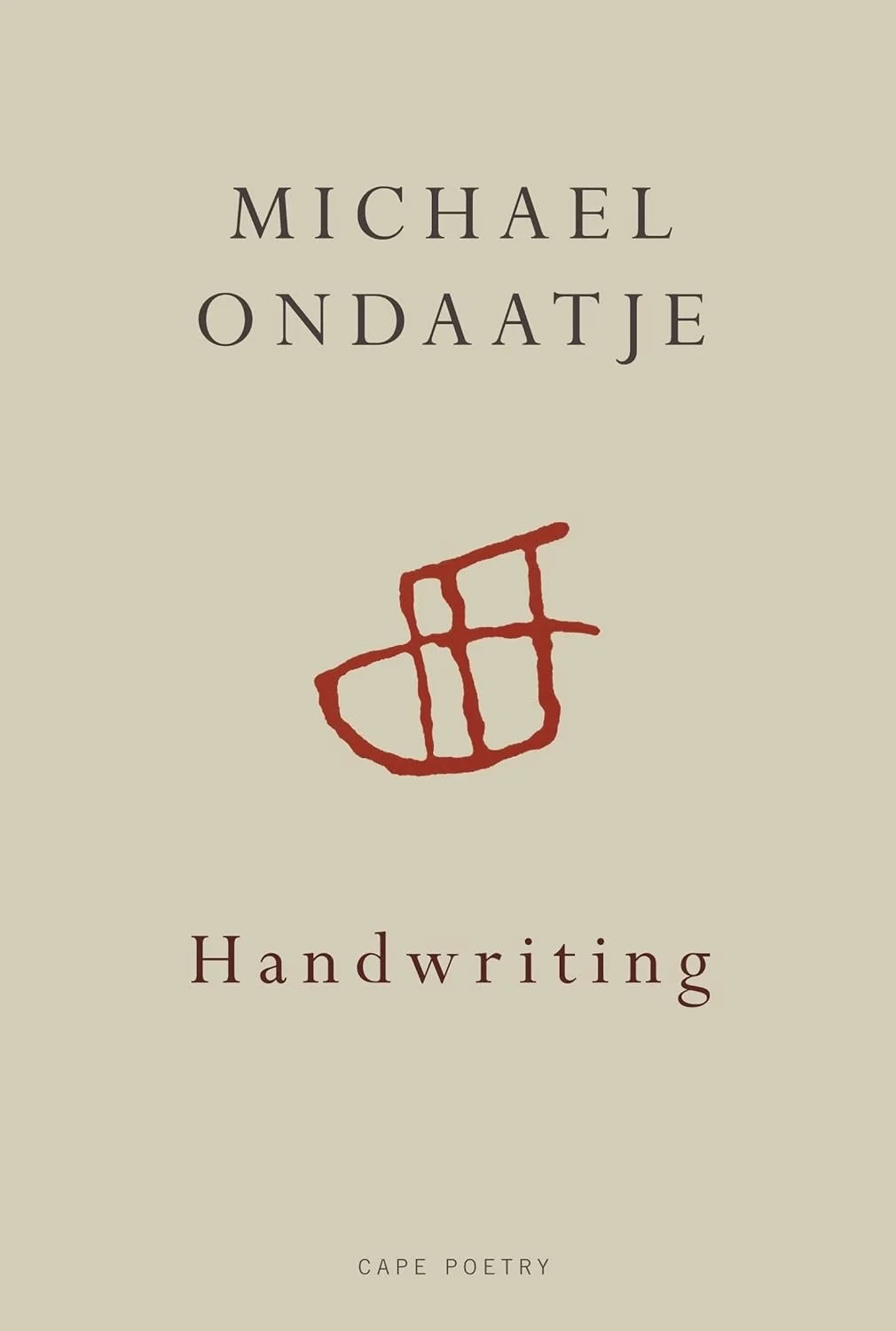
9. What We Lost by Michael Ondaatje (Handwriting)
Ondaatje’s writing wows me. While I love The Collected Works of Billy the Kid, this poem is something I can return to often. What We Lost is an elegy for lost childhood, culture, and language. It’s also a glimpse of the source of the writer’s mysterious imagination. The poems in Handwriting make me want to go to Sri Lanka.
Read What We Lost (Granta link)
View book on amazon.co.uk
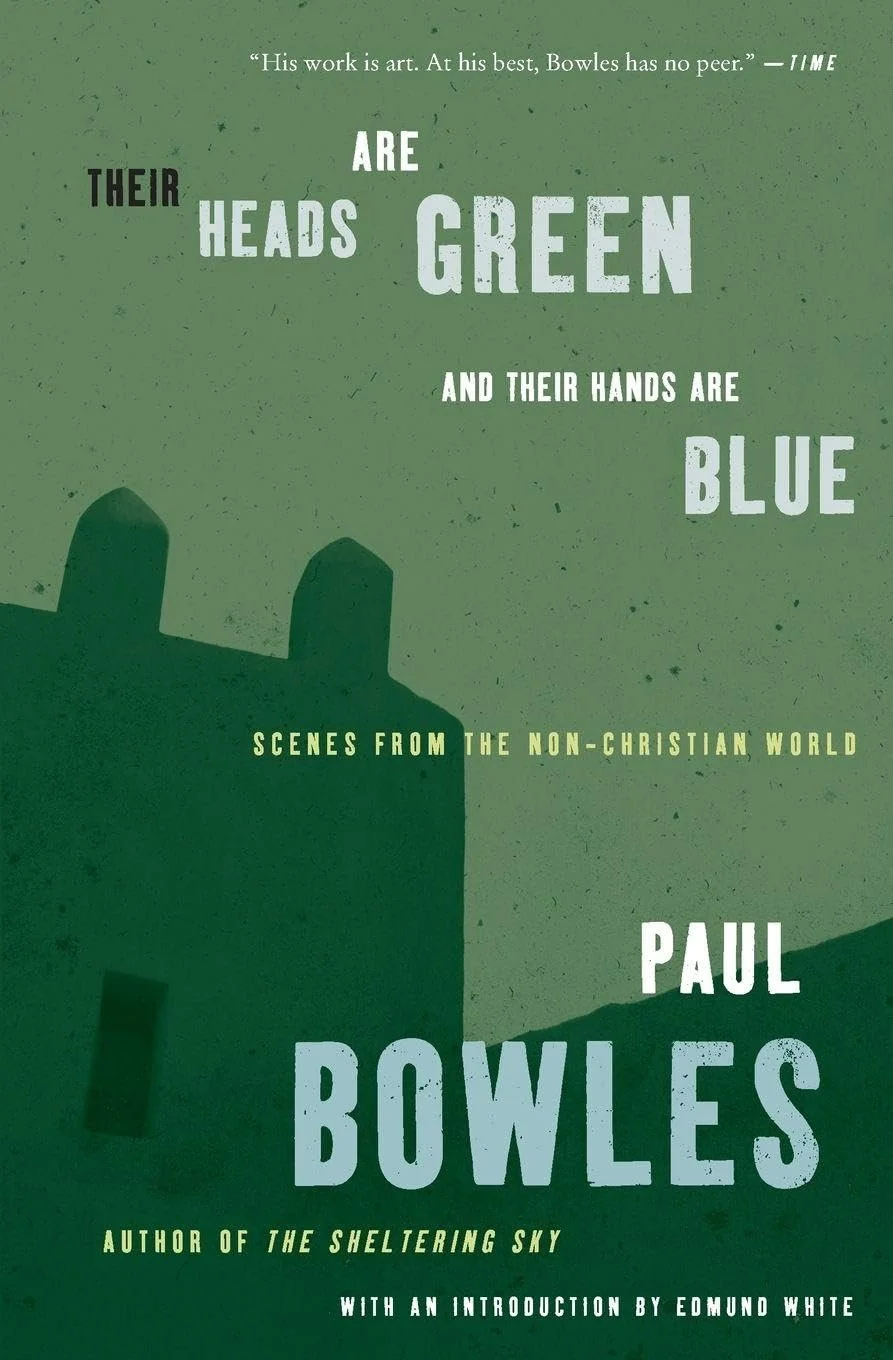
10. Baptism of Solitude by Paul Bowles (Their Heads are Green)
I borrowed this book from a library van in rural Shropshire. I’m not sure why this book appealed to the 14-year-old me – perhaps it was slim pickings in the library van that day – but it made such an impression that 30 years later, I went to Algeria to experience my own ‘baptism of solitude’.
Bowles describes the unique sensation of encountering the profound silence of the Sahara Desert for the first time. I have a forthcoming photographic series based on my experiences in the Sahara.
Read my Baptism of Solitude story (on far from)
View book on amazon.co.uk
All links are non‑affiliate.