Books on Analogue Living
Books that help restore our attention in the age of digital distraction.
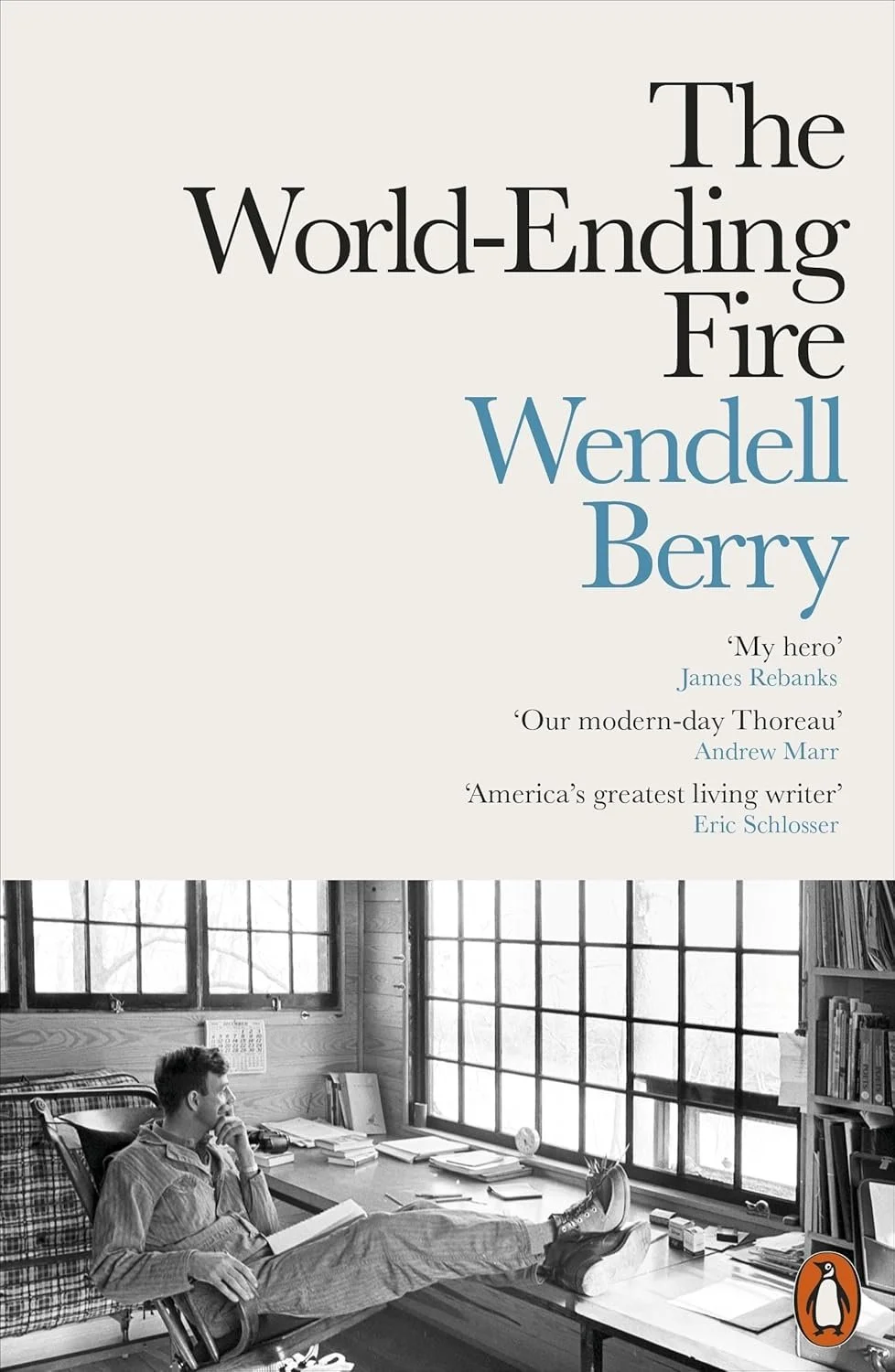
Wendell Berry
In 1987, Berry, a farmer, poet and writer, told Harper's readers he'd carry on writing in pencil and handing the pages to his wife, who typed them up on a manual typewriter. This short essay is a critique on technological consumerism in favour of slow living and environmental responsibility. As far as I know he still writes his books with a pencil. The essay can also be found in this small book.
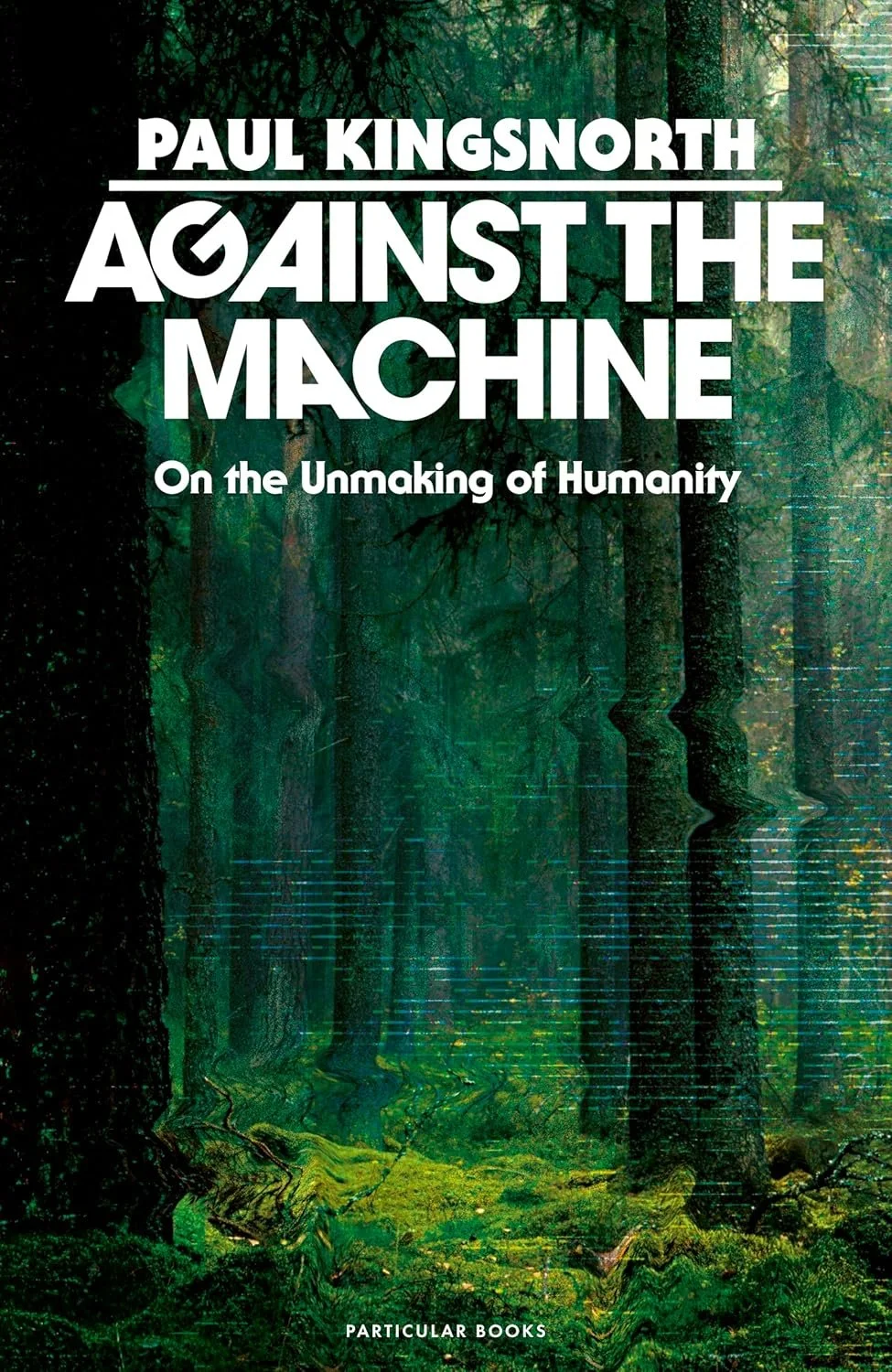
Paul Kingsnorth
Possibly the most lucid book Kingsnorth has written on resisting what he calls ‘the machine’: a term coined by the poet R.S. Thomas for the techno-industrial system that we live in. Kingsnorth argues that we've mistaken efficiency for progress at almost every turn. Less self help, more of a wake up call. Overtones of Christianity which are in context to his argument. This book challenges some my assumptions.
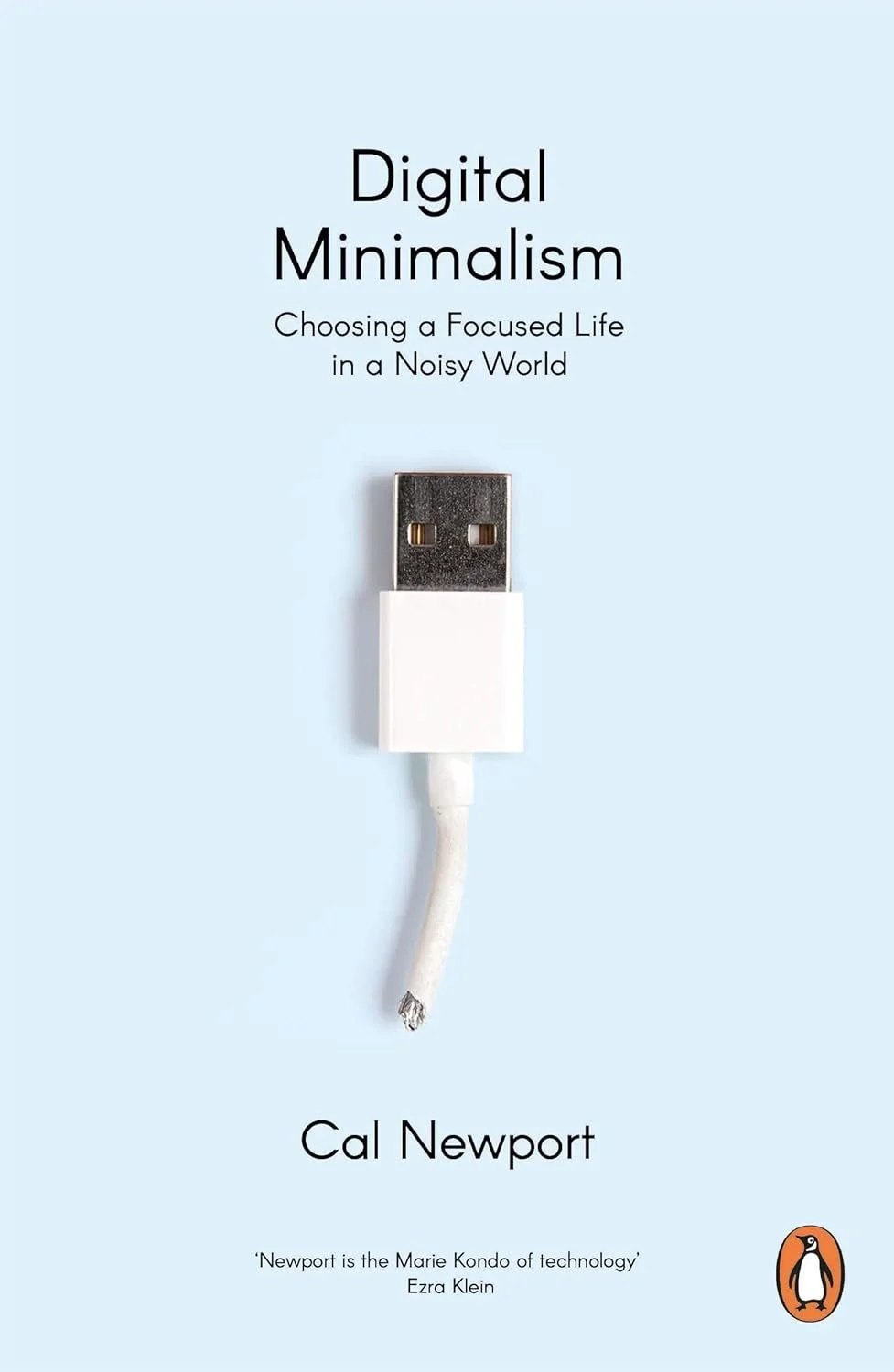
Cal Newport
Newport's book asks readers to work out which technologies actually serve values they can name, and strip away everything else for thirty days, before deciding what's allowed back in. It's the most practical book on this list. The other books this shelf will convince you the problem is real; this is the one will tell you what to do on Monday back in the office.
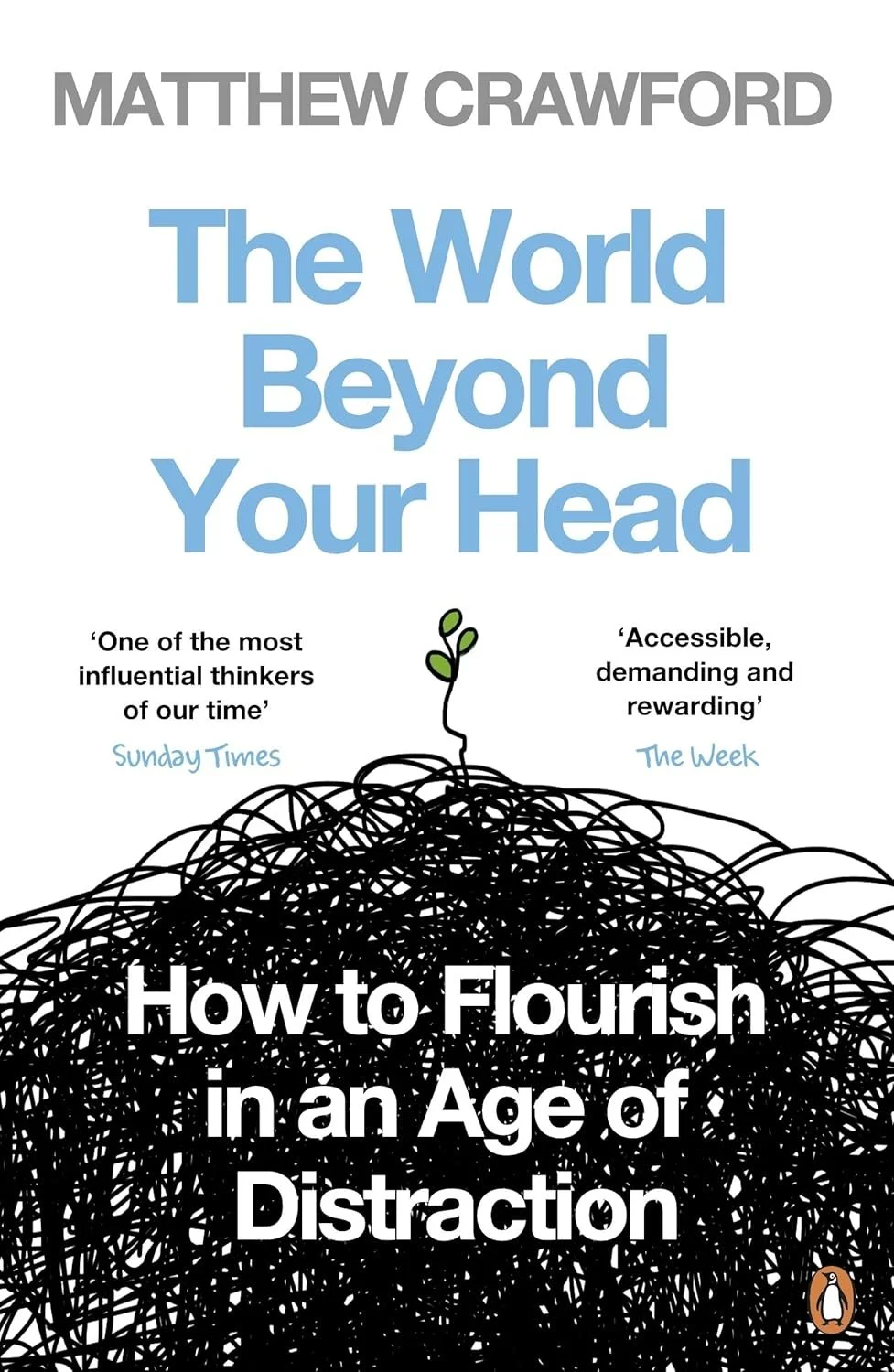
Matthew Crawford
Crawford makes a convincing case that our failure to give attention to the world and to give it instead to smart social media, the internet, and TV, hollows out our experience of life. Only by re-engaging with the world directly and safeguarding attention can we move forward successfully as a people and a society. A fascinating read that I found a little deeper than many self-help books out there.
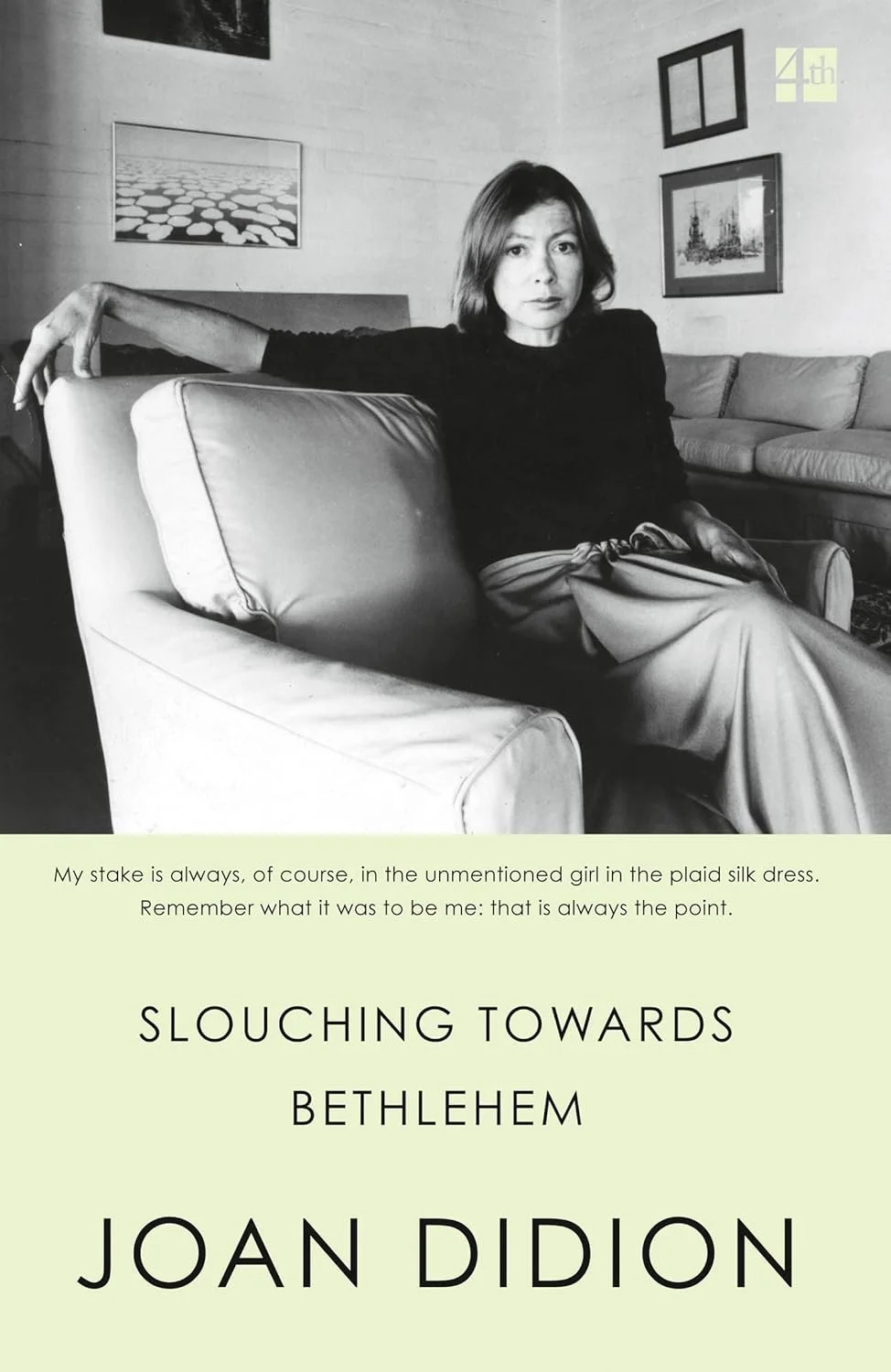
Joan Didion
Didion kept notebooks not to record what happened, she says, but to remember what it felt like to be the person it happened to. Though the essay was originally written nearly half a century ago, the insights remind us why you'd still bother making notes by hand in the age of the smart phone. I’m a fan of her writing and this essay is a treat.
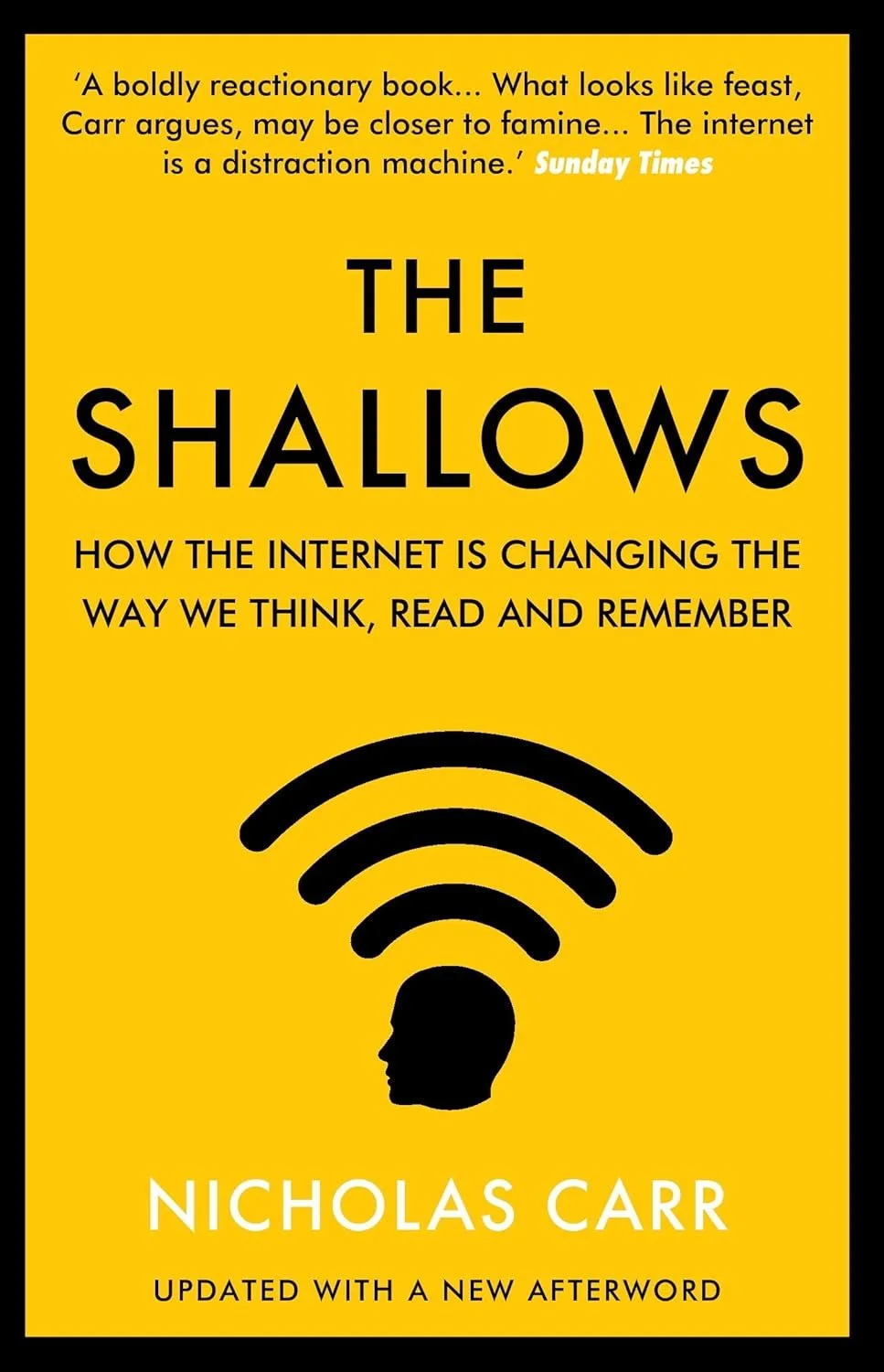
Nicholas Carr
This book became the reference point for writing on digital-attention and is careful rather than alarmist. Carr argues that neuroscience shows that reading online trains the brain toward skimming and away from the kind of deep attention that reading used to require.

Martin Shaw
Shaw explains his theory that our culture has lost its stories and will keep reaching for a screen to fill the hole they left. He encourages us to "Kick the robbers out of the house and take your imagination back". Ideally by disentangling oneself from the ‘new normal’ of being more isolated than ever while being more connected than ever. If you like Robert Bly you will probably like Shaw too.
Links go to Amazon. All non‑affiliate.
I will be changing all my book links to bookshop.org soon.