Wonders of the Atacama Desert
Itinerary Ideas for Chile’s Otherworldly Desert
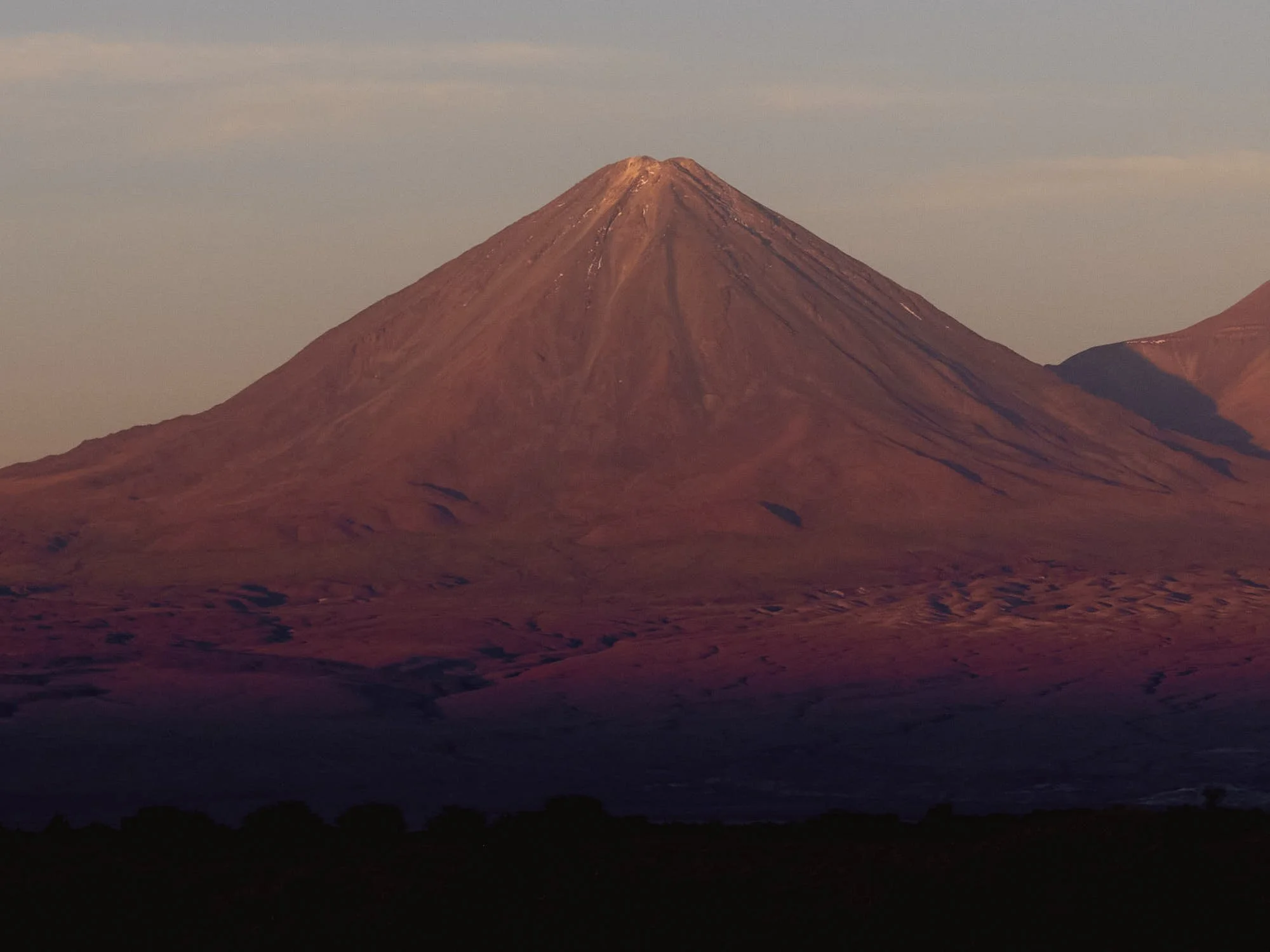
Licancábur Volcano
A 5,913‑metre stratovolcano which rises above the town of San Pedro de Atacama. On the summit lies one of the world’s highest lakes and Inca archaeology. NASA once used the volcano for research as a stand‑in for Mars.
Excursions operate daily from San Pedro. (Note: Independent high-altitude treks can be secured via Get Your Guide).
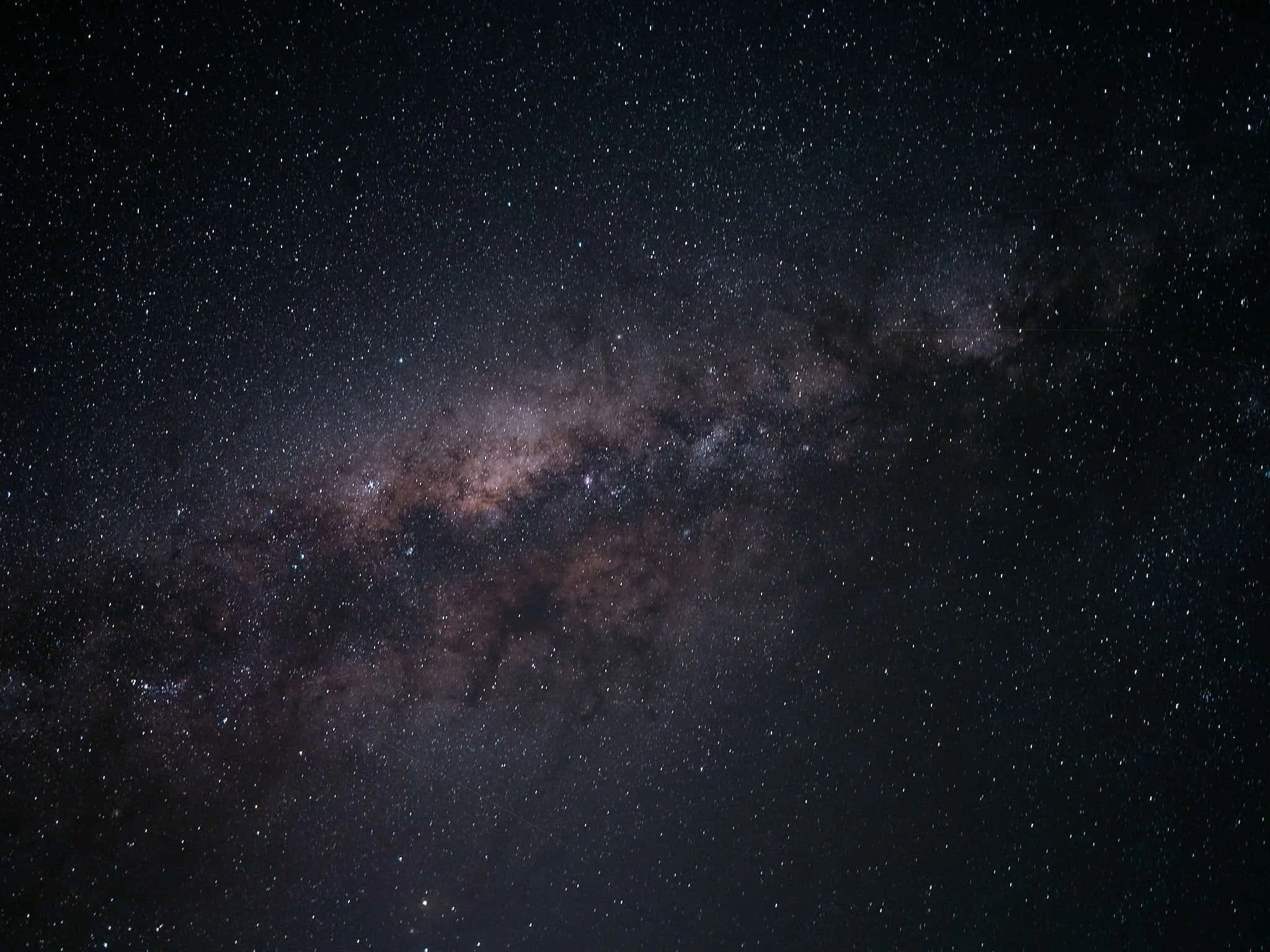
Stargazing
The Atacama Desert is the premiere stagazing destination on earth due to its high altitude, extreme dryness and lack of light pollution. Excursions operate from San Pedro de Atacama: from casual guided night walks to professional-grade observatory tours. High-end hotels like Tierra Atacama have their own on-site telescopes for guests. Indigenous guides offer readings of the sky shaped by Andean cosmology.
The best time to stargaze is during winter (June to August) around the new moon. Shoulder season (April & October) sees pleasant temperatures and excellent stargazing conditions, just without the crowds.
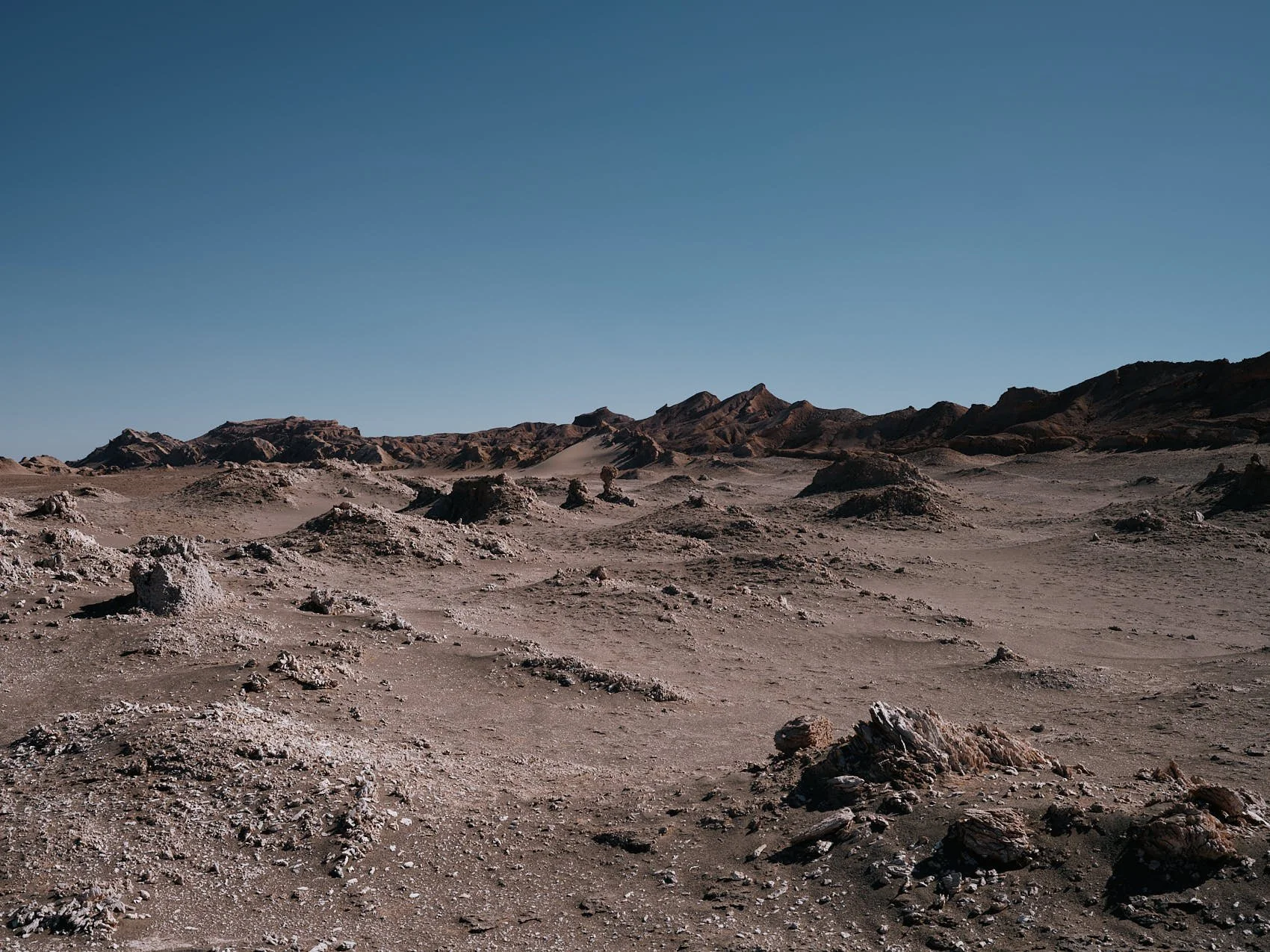
Vallecito - the alternative to the Valle de la Luna
An area of the Cordillera de la Sal that makes an excellent alternative to the highly regulated Valle de la Luna. Vallecito has no tours, no entry fee and is only reachable by 4×4. An area characterised by lunar landscapes, high-contrast salt formations and panoramic views of Licancábur volcano.
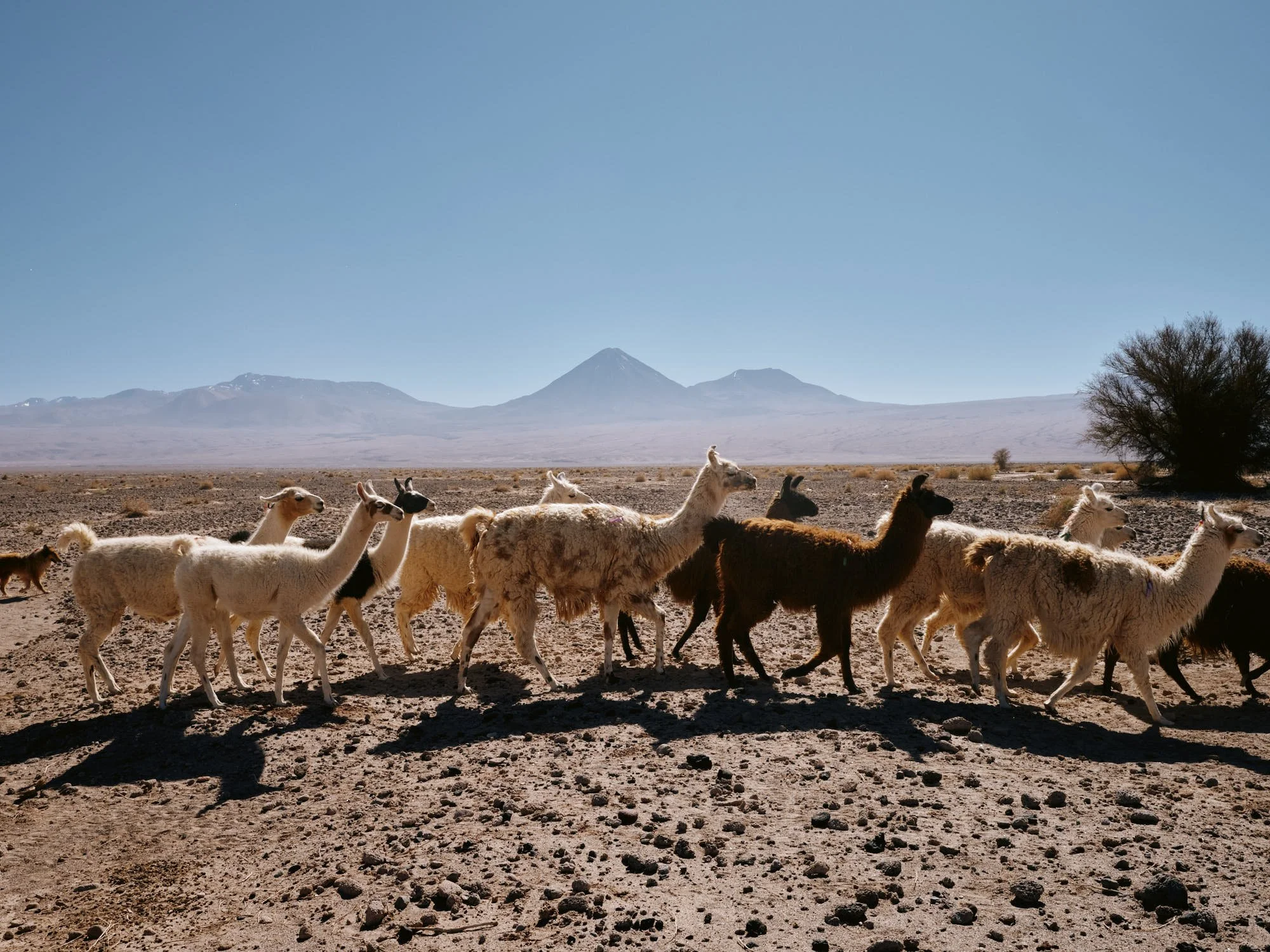
Walking with Llamas
A fun way to learn about the Lickan Antay (Atacameño) relationship with land and livestock. Llamas move with a calm, deliberate rhythm, and the walks trace old caravan routes around San Pedro. One of my most memorable experiences in the Atacama.
Get Your Guide have a selection of tours.
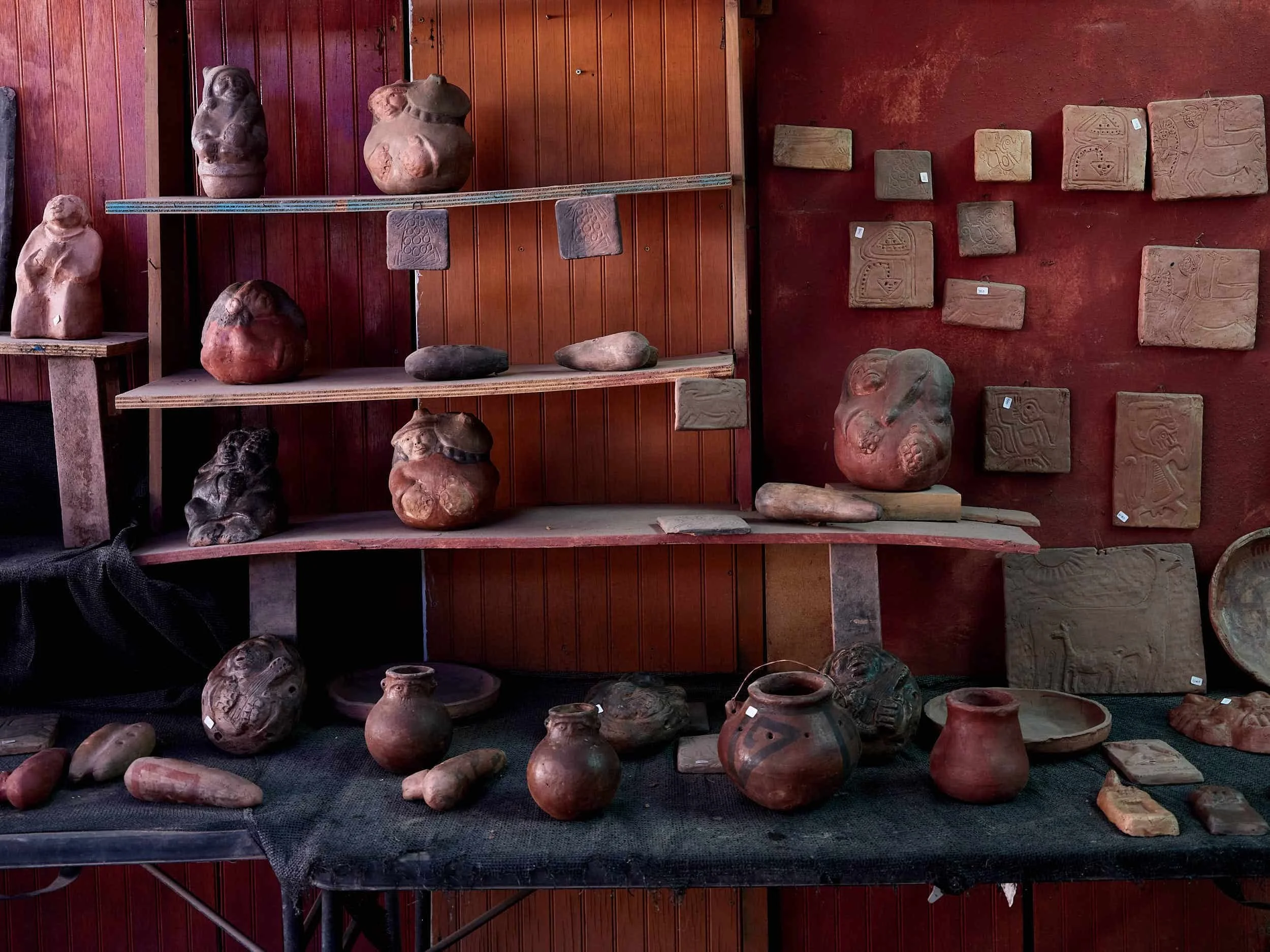
Ceramics Studios in San Pedro de Atacama
Two studios working with desert clay in very different ways. Fernando Alfaro (Taller de Cerámica Amerindo Studio at Calama 430) recreates archaeological forms with exacting care. Soledad Christie shapes minimalist vessels at her studio that hold the desert’s scale and stillness. Both worth seeking out.
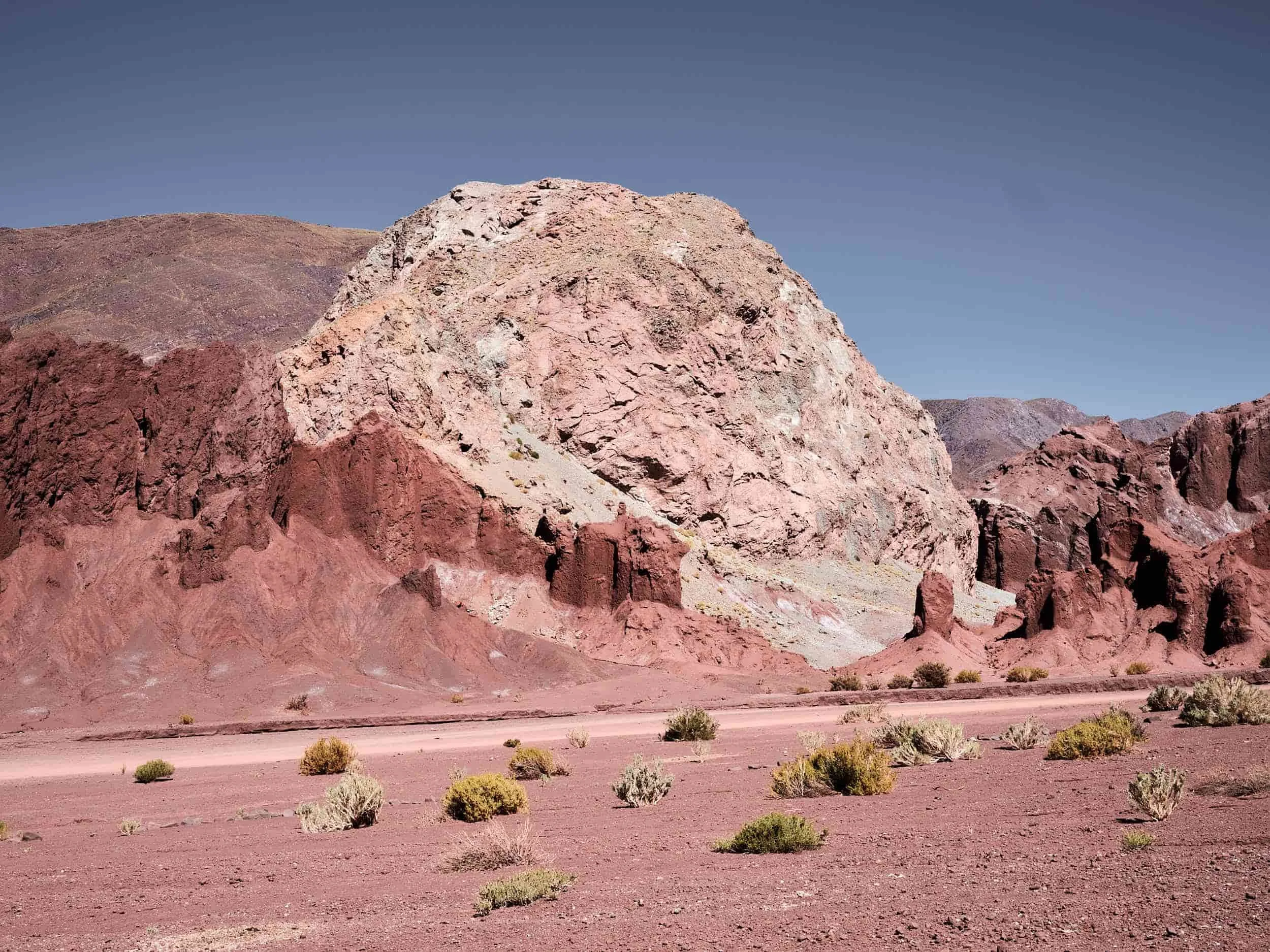
Rainbow Valley (Valle del Arcoíris)
About 90 km from San Pedro, a basin of mineral colours — greens, reds, whites, yellows, greys — exposed by erosion. Quieter than the headline sites. Often paired with nearby Yerbas Buenas, home to the region’s largest petroglyph collection.
A worthwhile trip.
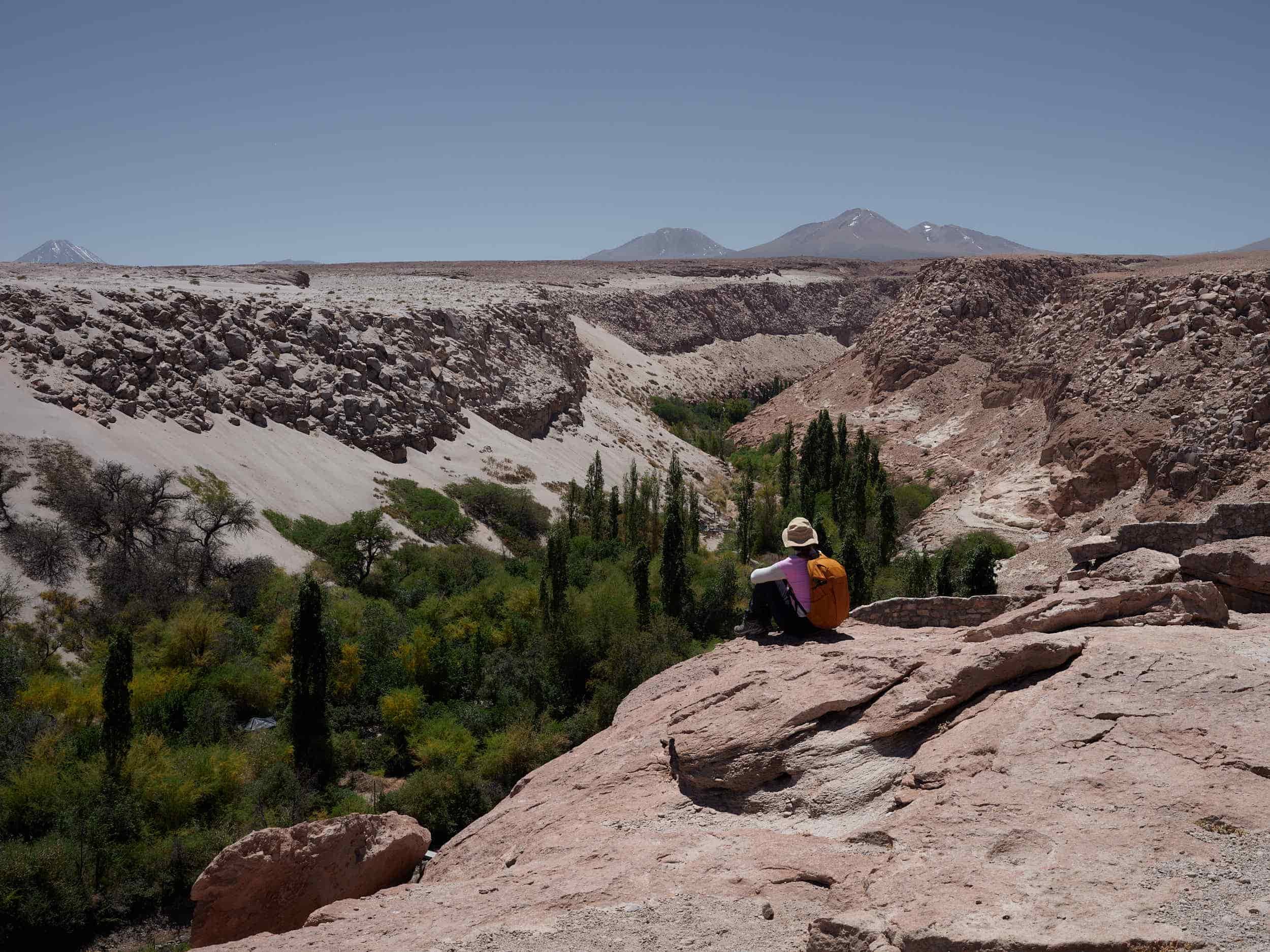
Jere Valley (Quebrada de Jere)
A narrow oasis near Toconao, fed by Andean streams. Orchards, petroglyphs, shaded paths, and a small river running through the driest desert on earth. Bring lunch and sit under the trees: a vivid contrast to the surrounding aridity. Toconao is a 12,000 years old, historic oasis settlement and is worth a visit for its church.
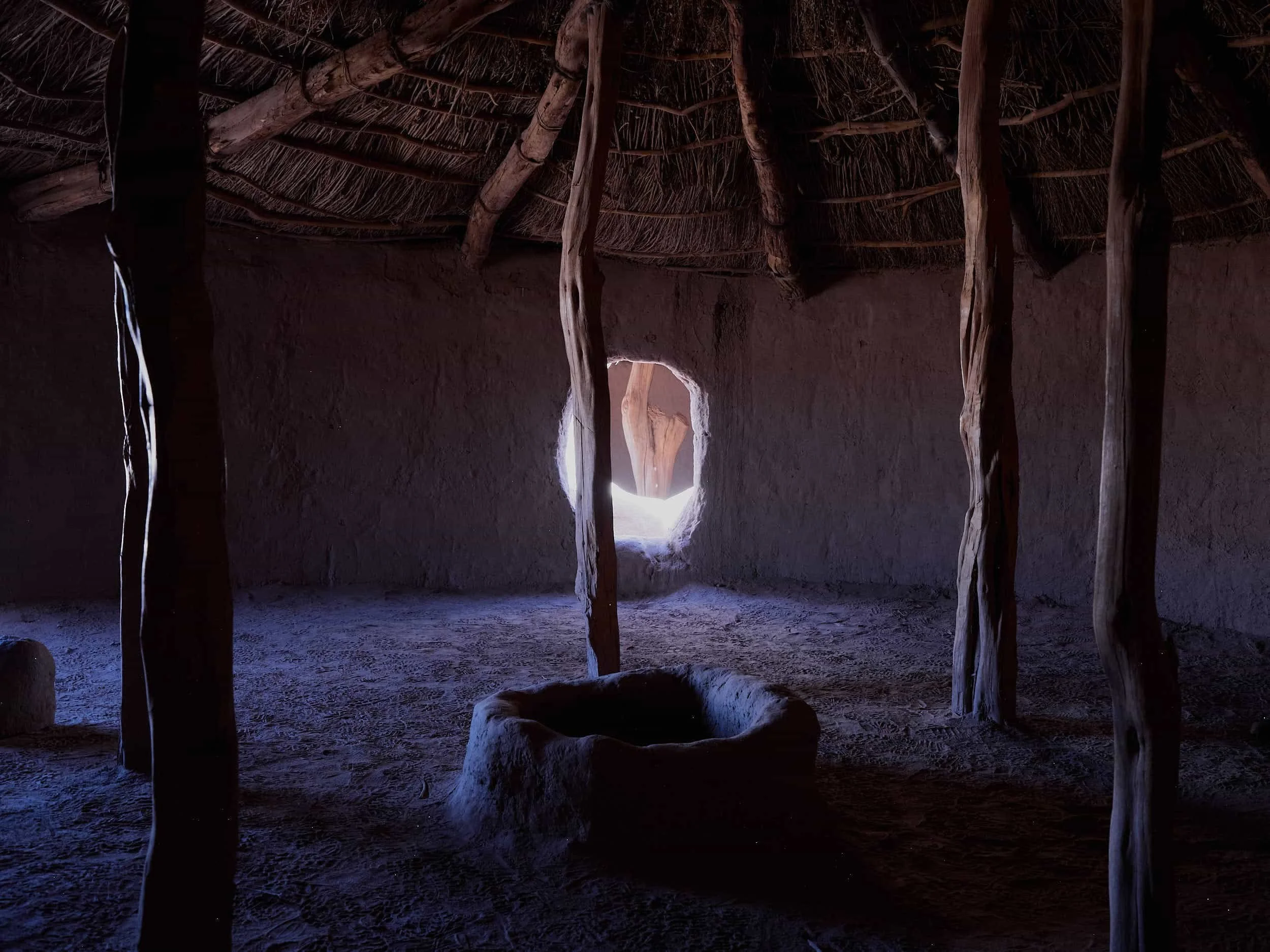
Tulor Archaeological Site (Aldea de Tulor)
A 2,800‑year‑old settlement west of San Pedro, offering a sense of early life in the Atacama with circular reconstructed dwellings. Managed by the Coyo community, whose guides bring the site’s history and ethnobotany into focus. Often combined with the Pukará de Quitor fortress.
Get Your Guide link.
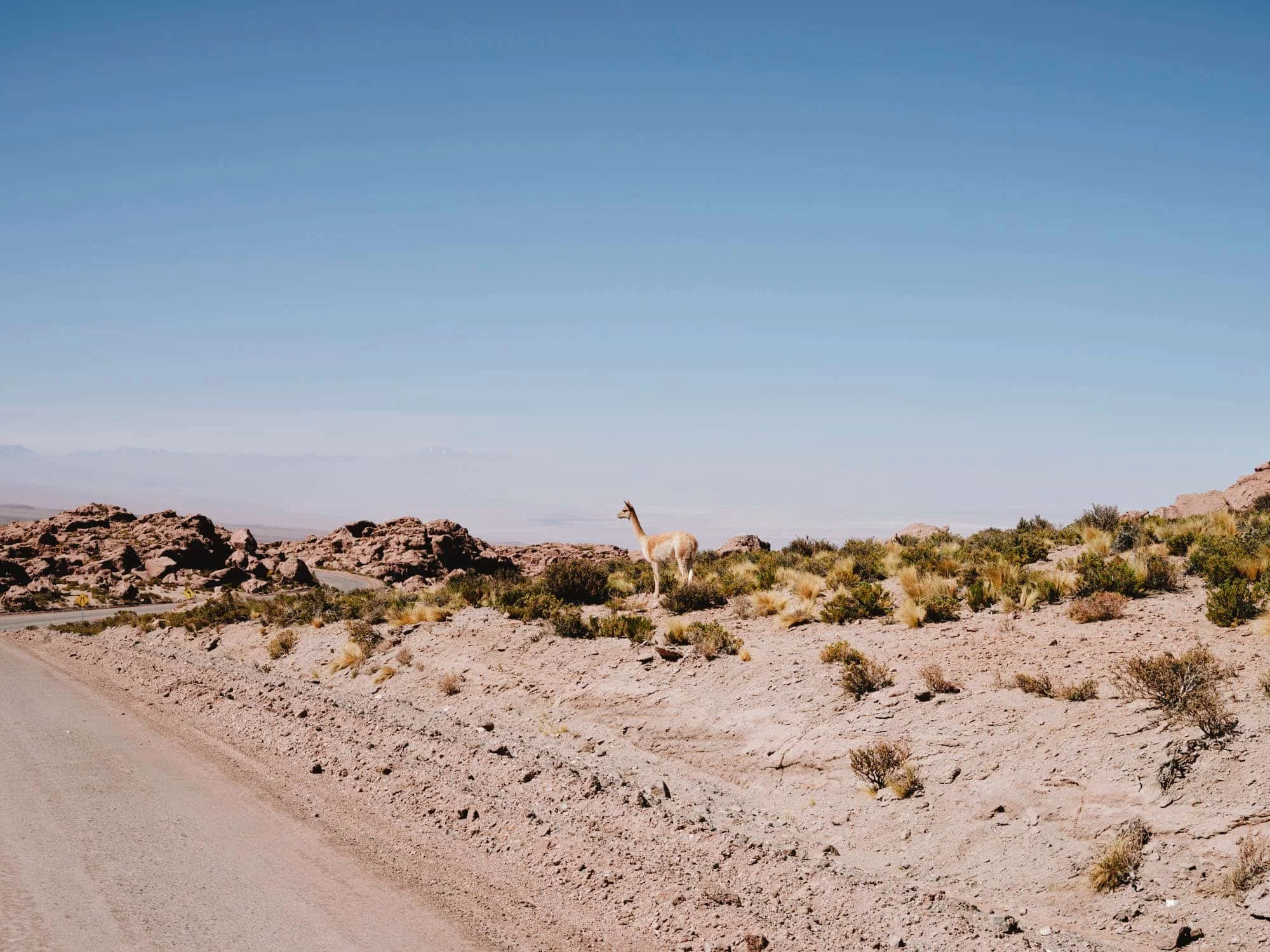
Wild Guanacos and Vicuñas
These wild camelids are the largest wild land mammals in Chile and roam the high-altitude plains and rocky terrains of the Atacama. They can live without direct water for weeks by extracting moisture from the cactus flowers, mushrooms, and hardy grasses they eat. Frequent sightings occur near: Laguna Salada, Salar de Tara, La Silla Observatory, and the Chajnantor Plateau.
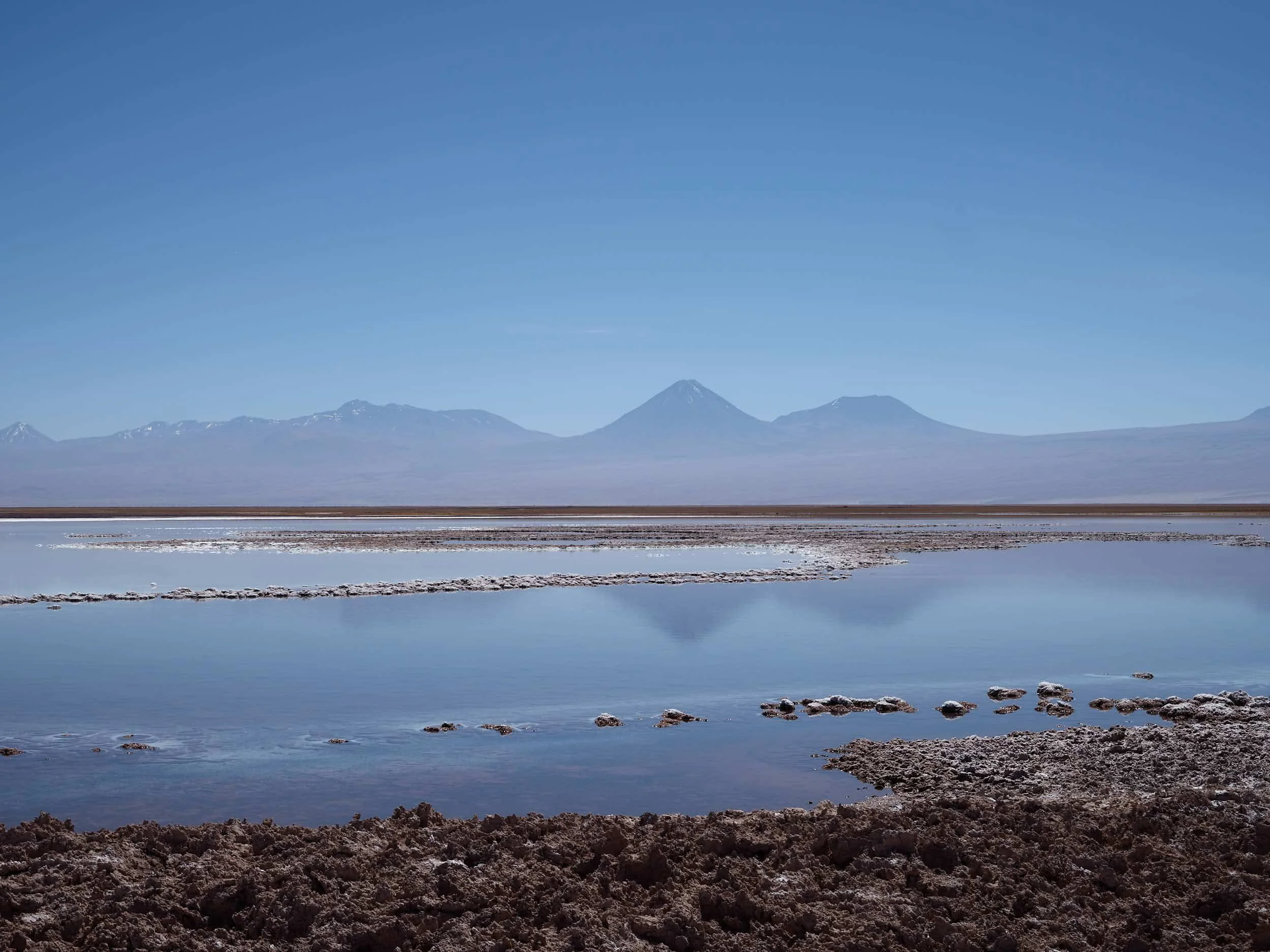
Laguna Tebinquiche (El Origen)
Laguna Tebinquiche is often called "El Origen" because the pale, knotted formations along the shore are descendents of the earliest microbial life. Walking the paths, you aren't just seeing a pretty lake; you are standing in a place that looks and feels like Earth did billions of years ago.
The Headline Sites
These orchestrated, iconic locations are worth the journey—but require strict timing to evade the crowds. Best experienced at first light or dusk.
Valle de la Luna - Surreal, strictly regulated lunar landscape
Laguna Chaxa - Flamingo habitats within the Los Flamencos National Reserve.
The El Tatio Geysers - high-altitude geothermal field best caught at dawn.
TRAVEL BRIEFING
Base
San Pedro de Atacama
Fly to
El Loa International Airport (CJC), Calama.
Tours
Easy to arrange in town. Observatory visits are the only experiences that usually require advance booking.
Independent travel
Pre‑book a vehicle at Calama if you want freedom to explore. A 4×4 opens more possibilities. Hiring in San Pedro is pricier, with limited insurance options.
Timing
The Atacama Desert is an all year around destination.
Dry season (May - September) Peak period: mild weather and clear skies attract more crowds.
Shoulder season (April & October) Pleasant temperatures and excellent stargazing conditions, just without the crowds.
Wet season (January - March) A beautiful time to visit as it rarely rains, meaning you can plan your activities regardless.
Stay
Tierra Atacama - masterfully polished, architectural desert hideaway.
Poblado Kimal - honest adobe architecture with a rustic, understated aesthetic.
Don Thomas - adobe architecture and a modern feel
Eat
Emporio Andino - an excellent cafe and bakery recommended by locals
Shop
Librería del Desierto's shop in San Pedro de Atacama, on the corner of Calle Caracoles and Vilama. Tasteful gifts, framed art, and a small selection of english language books.