FORTY MINUTES A GAUCHO
A Stay at Estancia Nibepo Aike, Patagonia
I have long been fascinated by the two great figures of the open range: the American cowboy and his southern counterpart, the Argentine gaucho. Both are mythic figures of resilience and skilled horsemanship, shaped by vast grasslands.
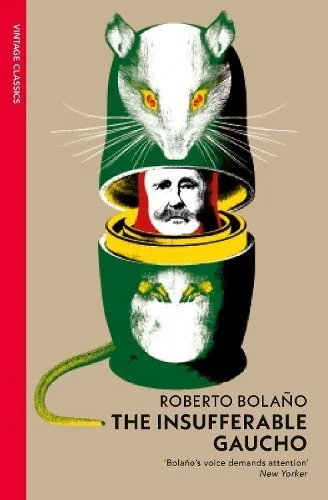
In Roberto Bolaño's The Insufferable Gaucho, a Buenos Aires lawyer retreats to the Pampas to reinvent himself as a gaucho. I liked this fanciful idea, and arrived at Estancia Nibepo Aike hoping to try the life on for size for a few days.
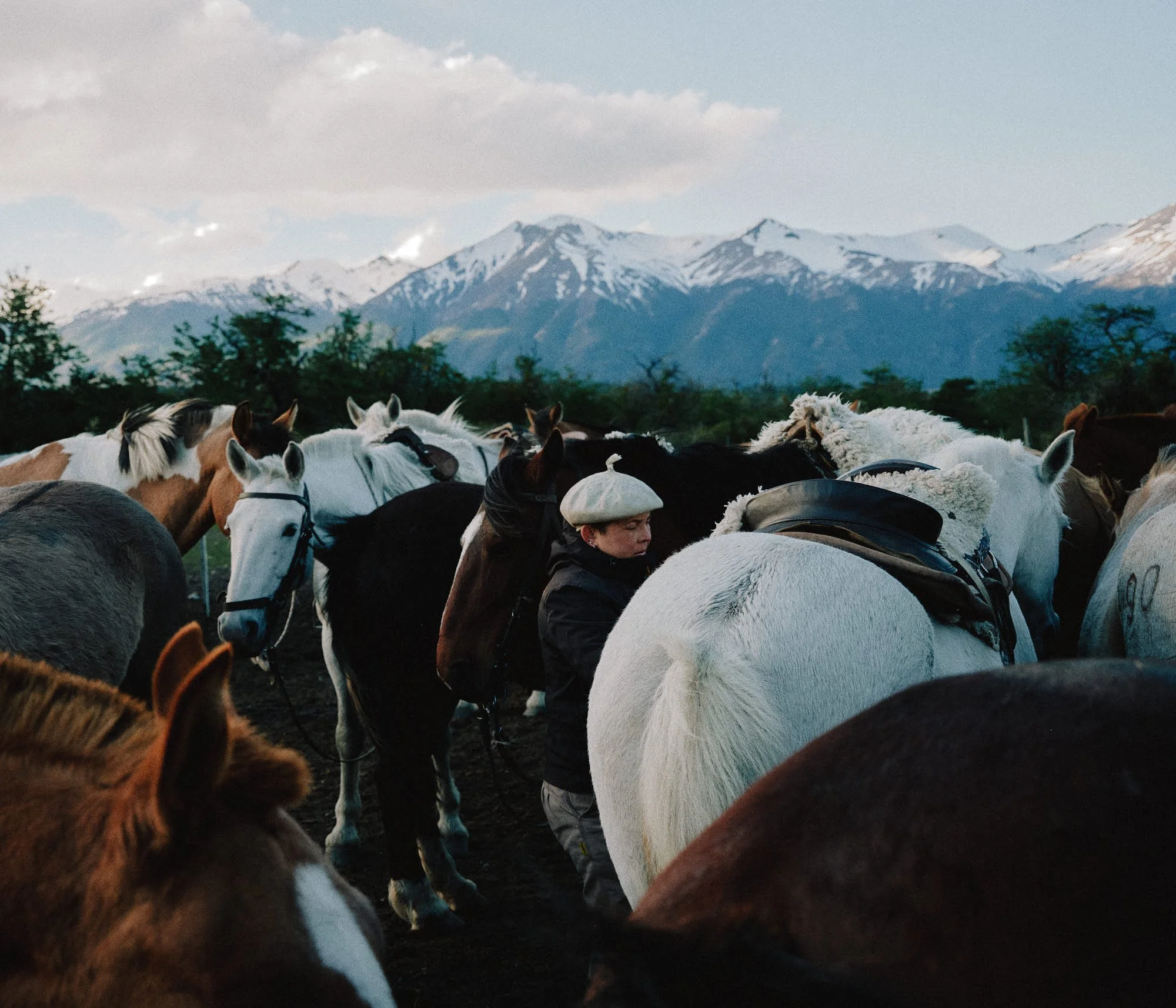
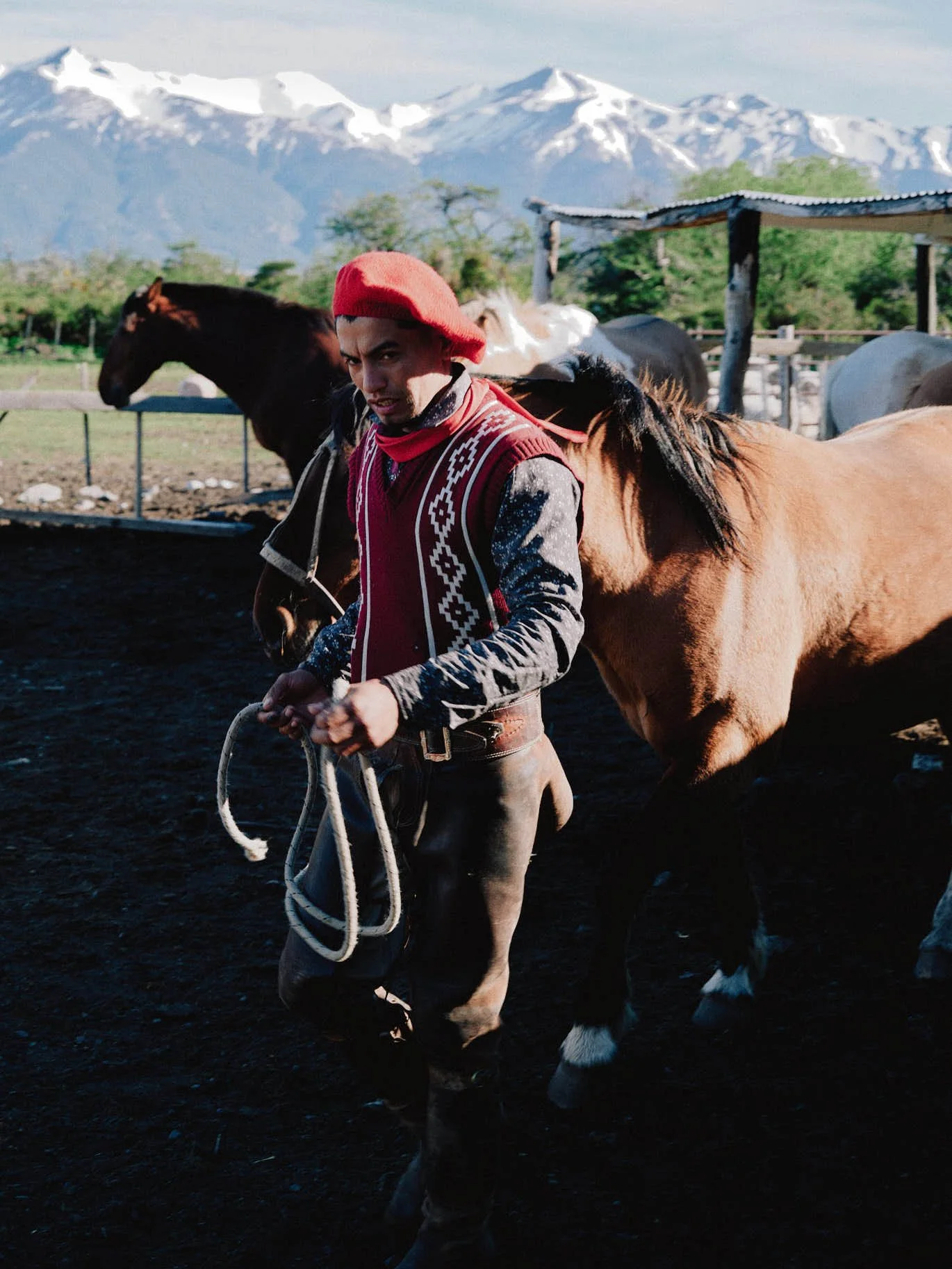
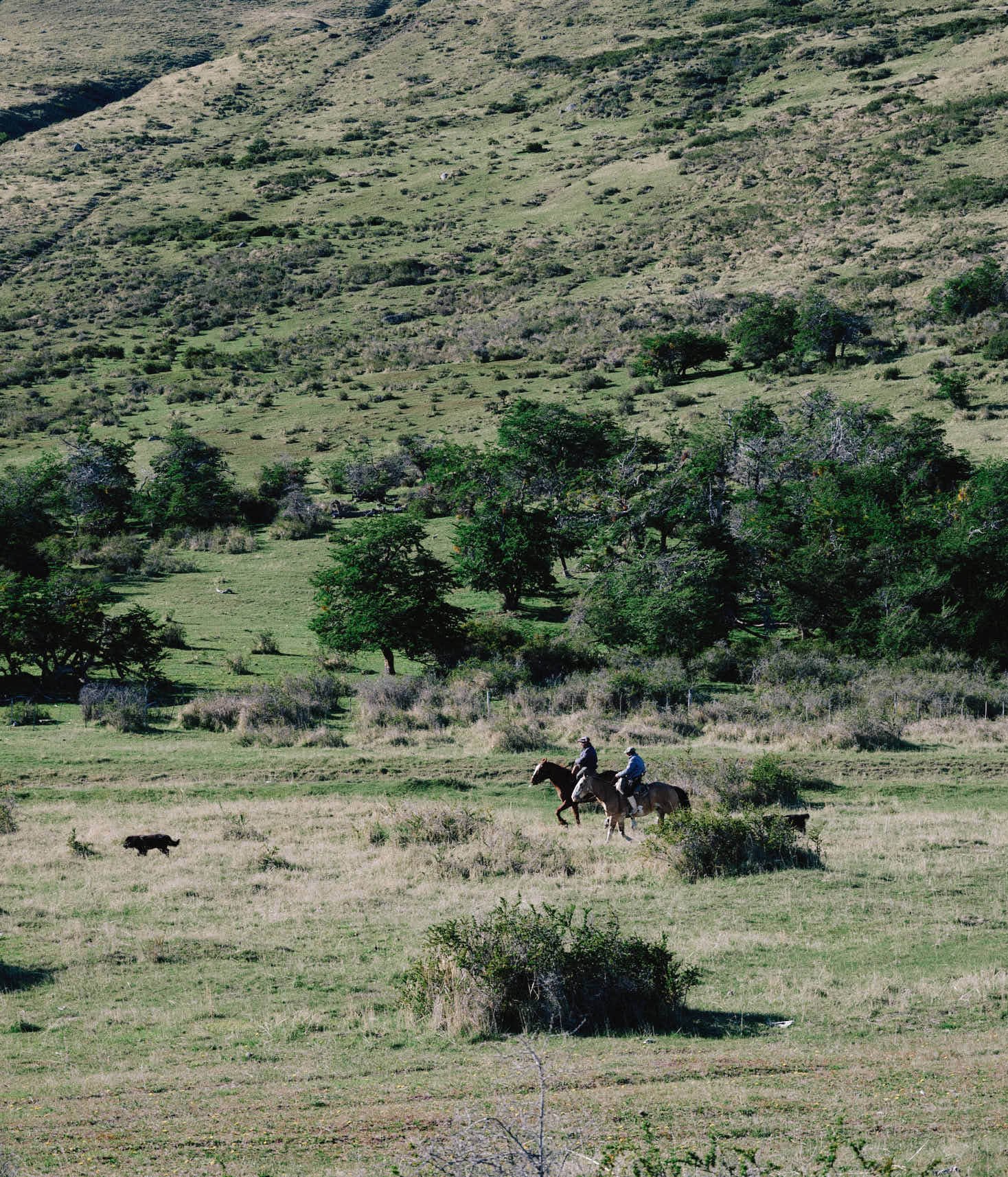
For forty minutes, I ride with the gauchos—and for forty minutes, I am certain this is the life for me. The sun slides behind the jagged teeth of the Sierra Baguales, the wind gathers speed, and Evelyn, riding close beside me in red espadrilles, lets out a high-toned yeeeiihh—half rodeo shout, half pure adrenaline. A group of French guests answers with a Gallic cheer, and together we thunder across the golden scrub to help round up sheep between pastures.
Whether the sheep actually required moving remains an open question. What mattered was the sting of the wind against my face, the creak of saddle leather, and the intoxicating, brief illusion that I belonged to the rhythm of the Patagonian frontier.
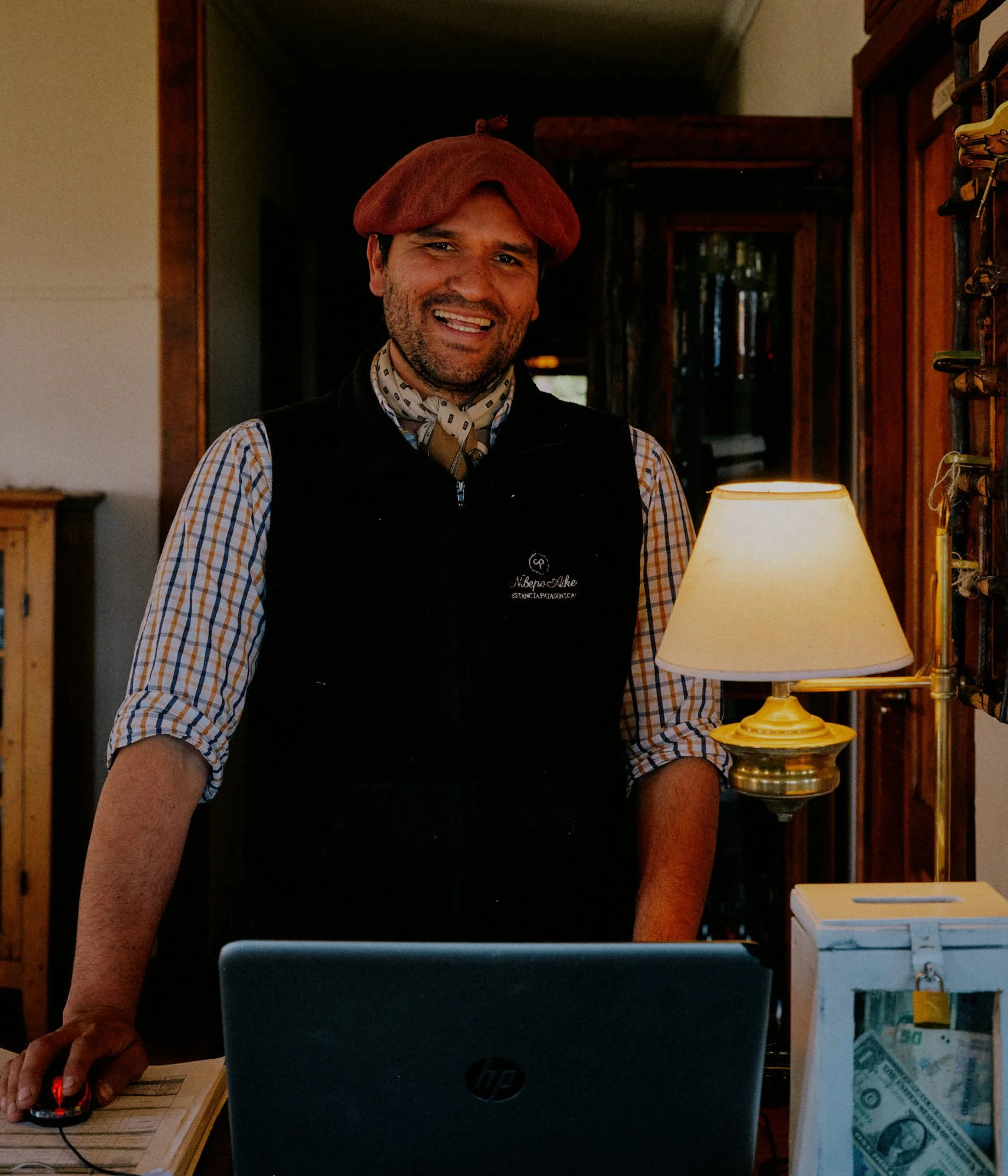
Later, cradling a glass of Merlot beside a roaring fire, Luciano, the general manager, sips his maté and casually mentions that the guachos were up at 5am and morning gusts clocked in at 70 miles per hour. My inner gaucho quietly retires.
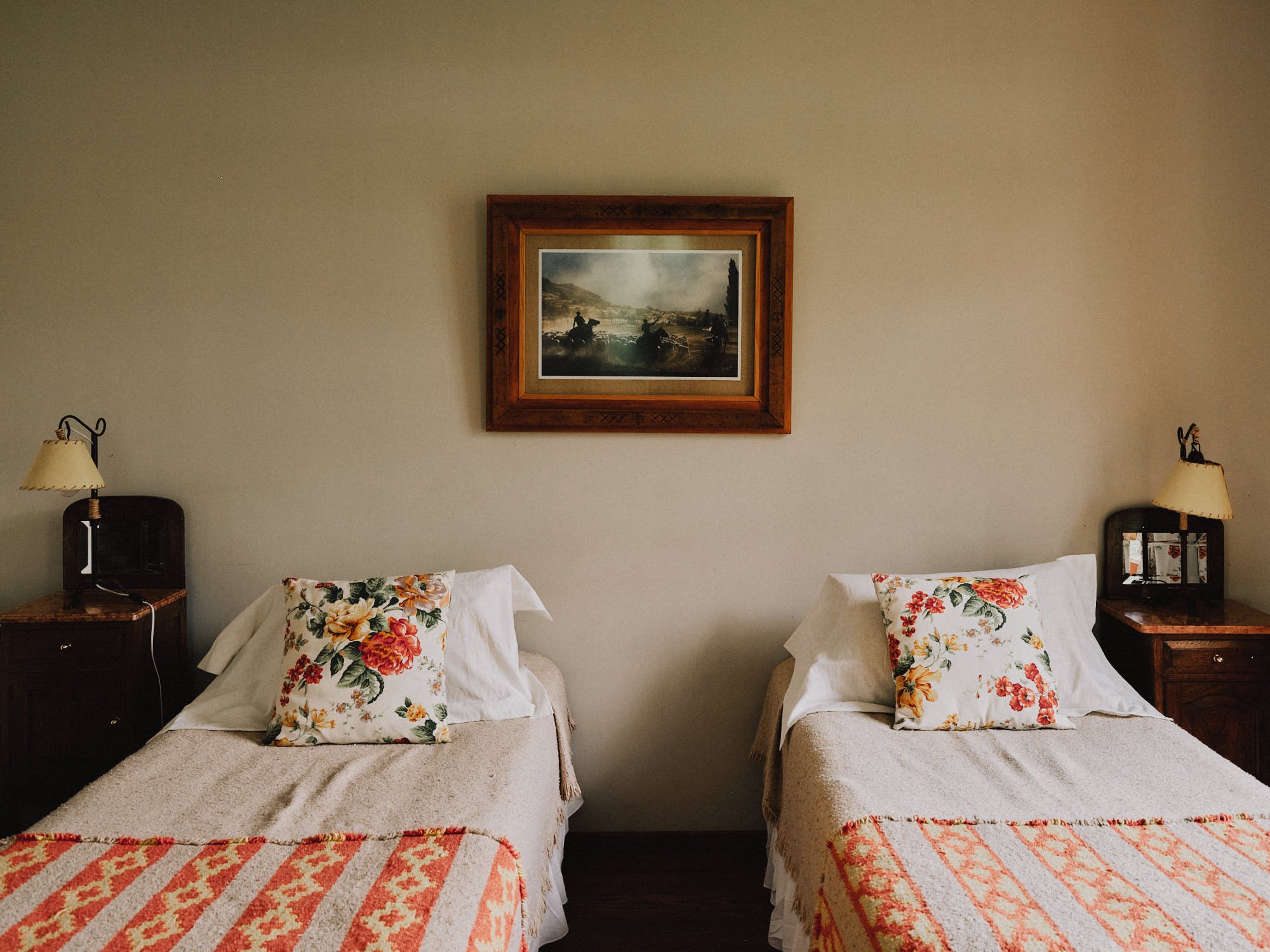
Estancia Nibepo Aike has that clarifying effect. Spanning nearly 30,000 acres, it is the only working ranch within Los Glaciares National Park, balancing active livestock heritage with understated hospitality. Founded in 1910 by Croatian pioneer Santiago Peso, the estancia is still steered by his grandson, preserving the grit of the original homestead while converting its 110-year-old wooden lodge into ten warm, fire-lit rooms.
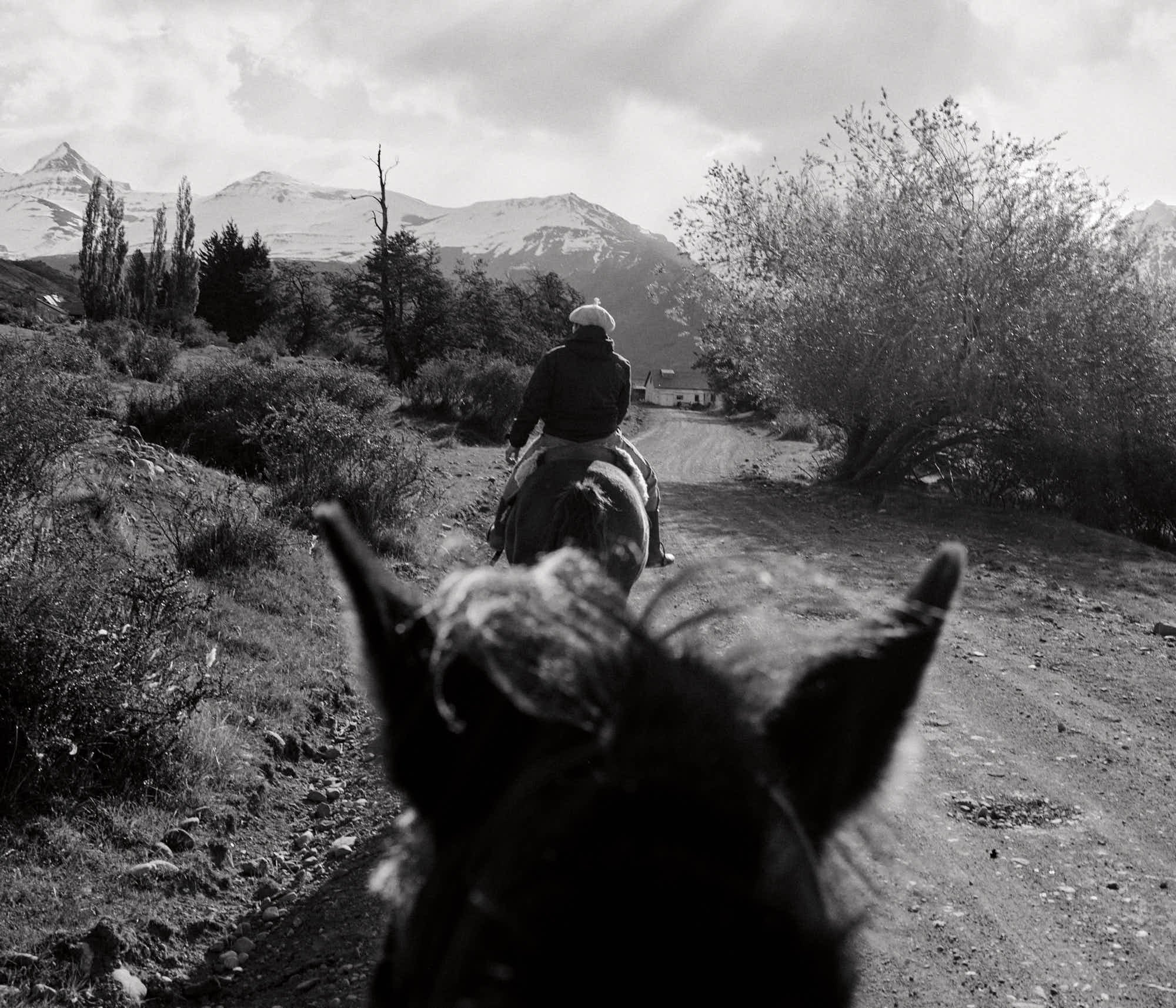
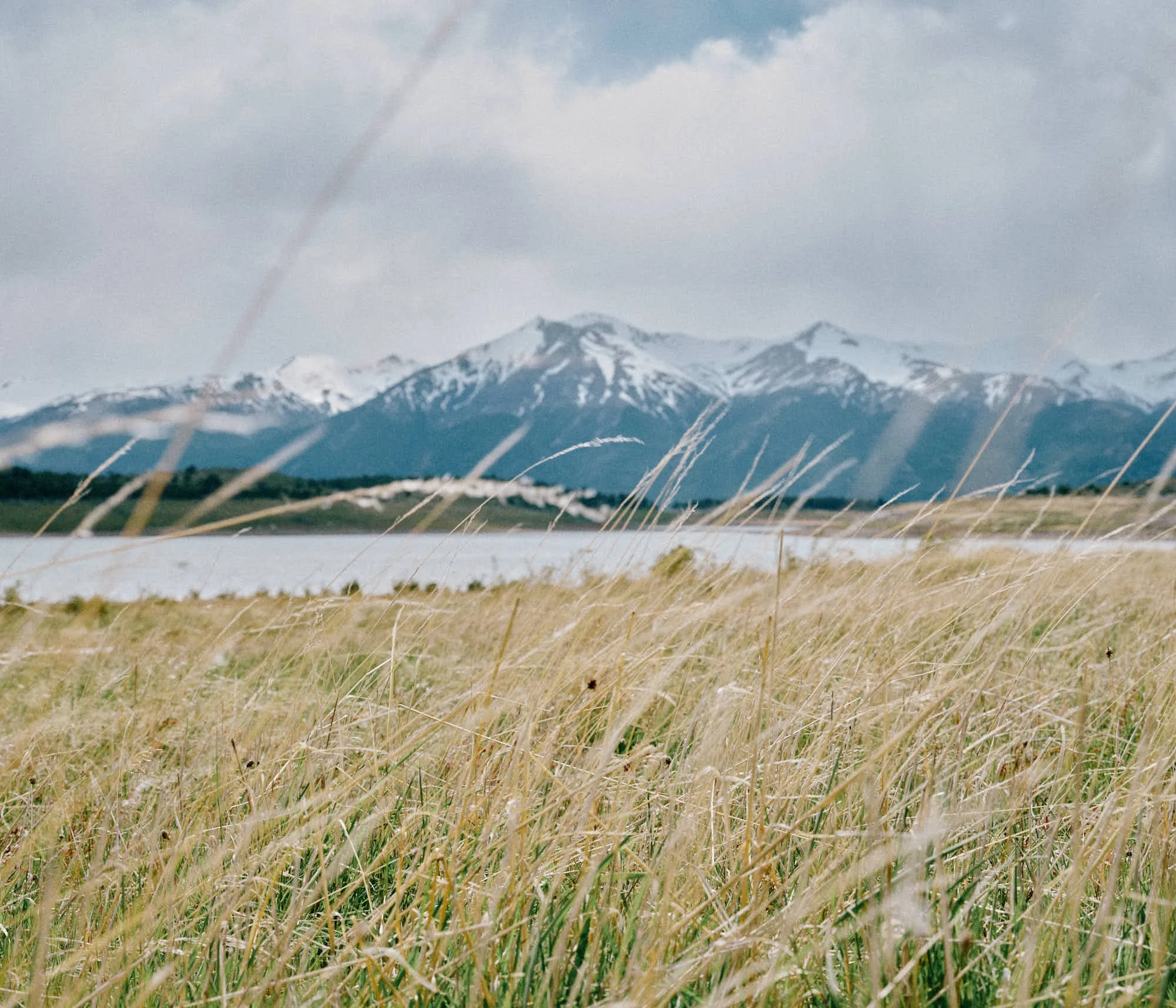
This isn't a museum, the gauchos still ride out into the grey light of dawn, herding Hereford cattle and sheep and sleeping in rough outstation huts when the weather turns. The hazards are real: glacial rivers that rise without warning, and pumas that shadow the ridgelines at night. "Pumas love lambs," our guide Analía tells me with cool frontier matter-of-factness. "They’re always watching. A few years ago, before we brought in the Anatolian shepherd dogs, one took forty in a night."
Yet the modern estancia has evolved. Gustavo, who leads our ride, isn't an illiterate myth out of 19th-century epic poetry—he holds a degree in soil science. As we pick our way through a forest of native lenga and coigüe trees, he points out delicate root systems and alpine microclimates.
"Patagonia in spring," he says, pulling back on the reins, "smells like lemonade."
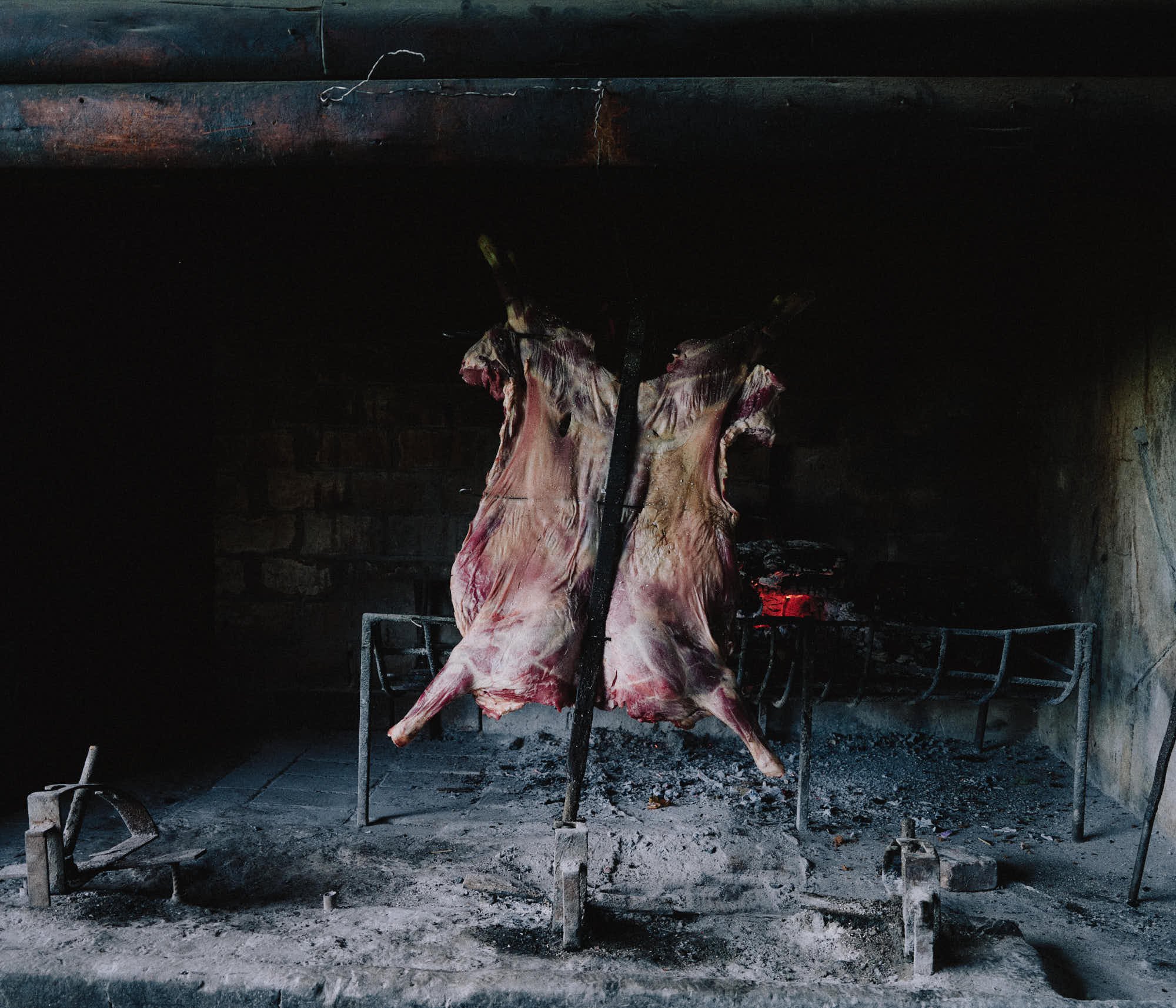
Out here, the land is steppe and nothing grows without a fight. In the kitchen, this environmental scarcity becomes an art form rather than a limitation. Dinner is rustic luxury at its best: Patagonian lamb roasted slowly over hot embers until the skin crackles like glass, followed by wild trout lifted straight from icy glacial runoff, paired with bitter greens treated like rare jewels. We drink Choila Ranch, an inky, full-bodied Malbec named after the hideout where Butch Cassidy and the Sundance Kid once hid out. It is honest, disciplined cooking that tastes intensely of the territory.
In the afternoon, we take out the Creole horses. Descendants of old Iberian and Barb stock, they are stout, sure-footed creatures that treat loose scree and freezing riverbeds with placid indifference, tolerating our city hands with gentle grace.
Our ride traces the base of Cerro Cervantes, its hanging glaciers suspended in mist like frozen waterfalls. Wild horses belonging to the estancia’s free-ranging herd ghost through the southern beech trees; at one clearing, an inquisitive foal trots forward, calling quietly to my mount in an ancient pasture greeting. Gustavo tells me that the foal is the daughter of the horse I’m riding.
There are no theatrics here, it’s simply a working ranch getting on with its daily life, while making room for visitors.
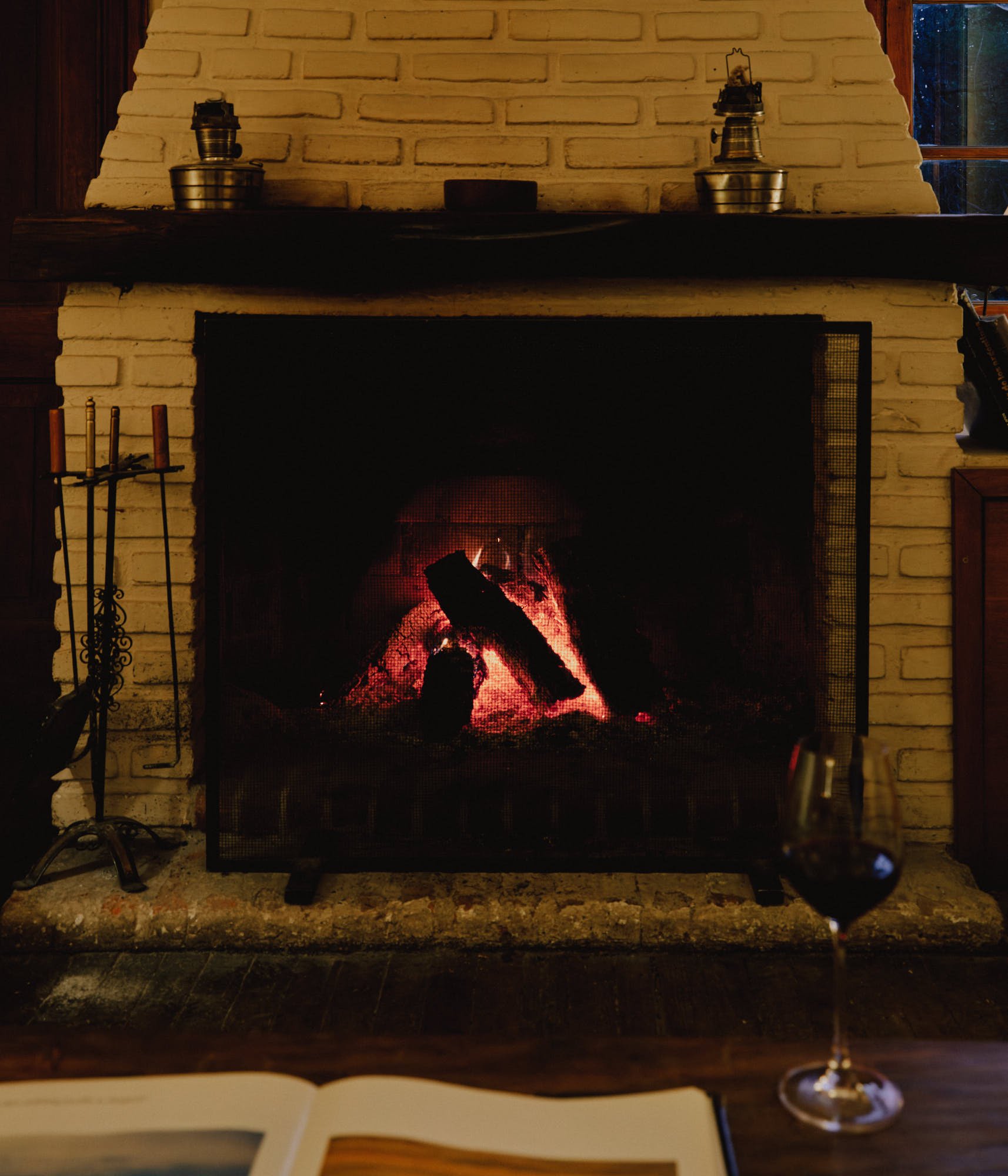
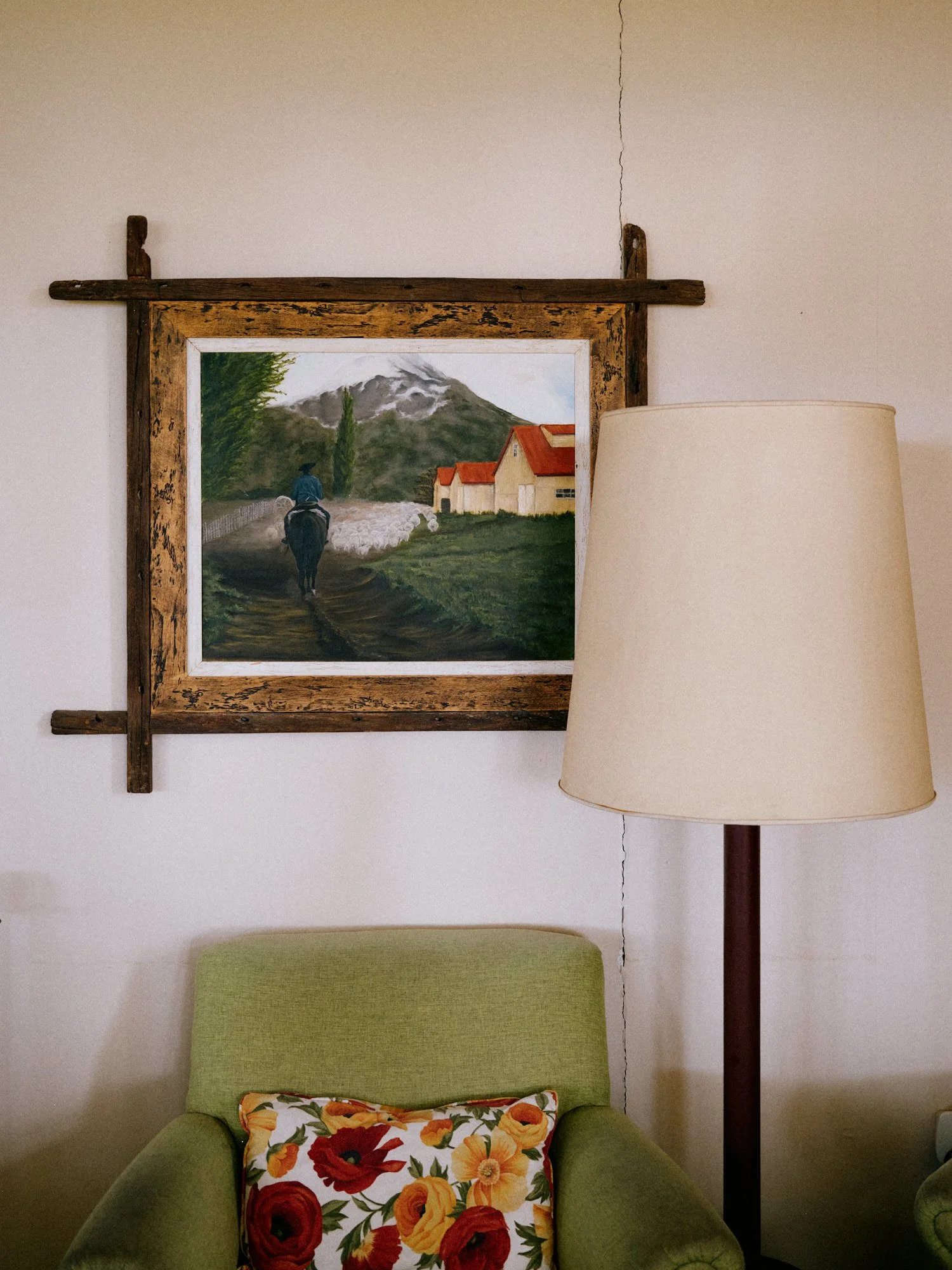
On my final morning, I sit in the lodge watching rain lash the glass. The fire in the inglenook throws heat across the room. Atahualpa Yupanqui’s melancholic guitar drifts from the speakers. On the wall hangs an oil painting of a solitary rider crossing these exact plains in some far back winter.
I think back to Bolaño’s insufferable lawyer, who went went mad trying to be a gaucho forever. But for the rest of us, forty breathless minutes on a horse—followed by a roasted rack of lamb—is paradise enough.
I travelled with Gaucho Getaways.gauchogetaways.com
nibepoaike.com
Read the Book:
The Insufferable Gaucho
Roberto Bolaño